
A good assessment is not about wrapping someone in cotton wool. It is about understanding what makes everyday moments less safe, then finding practical support that allows life at home to remain comfortable, familiar and enjoyable.
Start with the person’s usual routine
Falls rarely have one single cause. They often happen when a small change in health meets an everyday hazard: getting up too quickly to use the bathroom at night, carrying a cup of tea while using the stairs, or stepping outside onto a damp path.
Begin by thinking through a typical day from morning to bedtime. Watch, if your loved one is comfortable with it, how they get in and out of bed, wash, dress, prepare food, move between rooms and answer the front door. The aim is not to scrutinise them. It is to notice where they pause, reach, lose balance or need to use furniture for support.
It also helps to ask gentle, direct questions. Have they felt dizzy when standing? Have they tripped recently, even if they did not fall? Are they avoiding certain rooms or going upstairs less often? A person may minimise these worries because they fear losing their independence, so a calm conversation matters as much as what you observe.
How to assess fall risks in each room
Walk through the home at the time your loved one would normally use it. Lighting, footwear and clutter can look very different in the evening than they do during a daytime visit. Try not to make decisions based on what seems untidy or inconvenient to someone else. Focus on whether the environment is genuinely safe for the individual living there.
In hallways and living areas, look for loose rugs, trailing cables, low footstools, unstable furniture and crowded routes. A clear path from the favourite chair to the kitchen, bathroom and front door can make a real difference. Check that lamps are easy to switch on and that light levels are sufficient, particularly beside the bed and on stair landings.
The bathroom deserves particular attention. Wet floors, a low toilet, a slippery bath and the need to turn in a confined space can all increase risk. Non-slip surfaces, grab rails and suitable bathing equipment may help, but the right option depends on the person’s strength, balance and ability to use it safely. Equipment should be fitted and positioned properly rather than added in haste.
In the kitchen, consider whether frequently used items are within easy reach. Repeated bending, stretching or climbing onto a stool creates avoidable risk. Spills should be dealt with promptly, and supportive footwear is safer than socks or loose slippers on smooth floors.
On the stairs, check for worn carpet, poor lighting, loose handrails and items left on steps. If someone is struggling with stairs, do not assume they simply need to try harder. A change in routines, additional support or professional advice may be safer than relying on determination alone.
Outside, North Yorkshire weather can make familiar paths unexpectedly hazardous. Look for uneven paving, moss, loose gravel, poor lighting and steps without a handrail. During colder months, a plan for clearing ice or postponing non-essential trips can prevent a risky journey.
Notice changes in health and confidence
The home is only one part of a fall-risk assessment. Health changes can affect balance, judgement, reaction time and muscle strength, sometimes gradually and sometimes very suddenly.
Pay attention to repeated dizziness, breathlessness, fatigue, weakness on one side, shuffling steps, worsening pain, blurred vision or moments of confusion. Conditions such as Parkinson’s, dementia, arthritis, diabetes and the effects of a stroke can all affect how safely a person moves, although every individual is different.
Medication is another important consideration. Some medicines can cause drowsiness, low blood pressure or light-headedness, especially when a prescription has recently changed or several medicines are being taken together. A GP or pharmacist can review this, so families should not alter medication themselves.
A previous fall is one of the clearest signs that closer attention is needed. Even when there is no injury, it can lead to a fear of falling. That fear may cause someone to move less, which can reduce strength and balance over time. Reassurance is helpful, but it should be paired with a practical plan that helps them feel secure.
Look beyond the obvious trip hazards
Some risks are easy to miss because they are tied to daily circumstances rather than the layout of the house. Rushing to the bathroom is one example. If your loved one is getting up several times a night, they may be tired, disorientated or reluctant to turn on lights. A bedside lamp, clear route and a review of their routine can help.
Nutrition and hydration matter too. Skipping meals, drinking too little or struggling to prepare food can leave a person weak or light-headed. So can loneliness. Someone who has lost confidence may stop going out, miss appointments or avoid asking for help with shopping and housekeeping. A fall-risk conversation should leave room for these quieter signs that everyday life is becoming harder.
When assessing risk, consider these five areas together:
- how steadily the person walks, turns and transfers from sitting to standing
- whether their eyesight, hearing or footwear make movement less secure
- any recent illness, medication change or increase in dizziness or confusion
- the safety of routes around the home, garden and entrance
- whether they have enough practical and emotional support each day
This wider view avoids a common mistake: removing a rug while overlooking the fact that someone is exhausted, undernourished or trying to manage alone after a hospital stay.
Involve your loved one in every decision
Safety measures work best when they are agreed with the person who will use them. A grab rail that feels intrusive, a walking aid left in another room, or a rearranged lounge that no longer feels like home may not be used consistently.
Explain what you have noticed and ask what feels difficult to them. They may have a simple solution in mind, such as keeping their mobile phone in a pocket, wearing better-fitting slippers or accepting help with the laundry basket. Small changes often preserve independence more effectively than a major intervention imposed too soon.
It is also worth considering timing. A family member may be able to help at weekends, but risks may be highest on weekday mornings, during personal care or in the evening. Support should fit the moments that matter, not just the times that are most convenient to arrange.
Know when to seek professional support
Arrange a conversation with a GP, community health professional or relevant specialist if there have been repeated falls, a noticeable change in mobility, new confusion, fainting or persistent dizziness. They can help identify underlying health causes and advise on appropriate assessments, therapy or equipment.
Call 999 after a fall if the person has severe pain, may have broken a bone, has hit their head, cannot get up safely, has new weakness or speech problems, or seems seriously unwell. If you are unsure, it is always better to seek urgent medical advice.
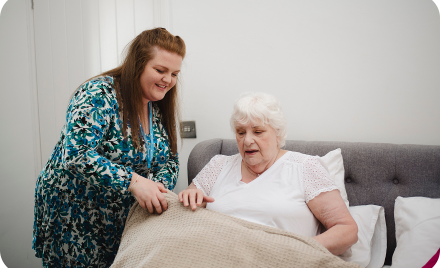
For families, ongoing care can provide an extra pair of observant eyes as well as practical assistance. A trained caregiver can support safer routines with personal care, meal preparation, medication prompts, light housekeeping and companionship, while reporting changes that may need attention. At Visiting Angels Harrogate, Knaresborough and Wetherby, care is planned around the individual, their home and the routines that help them feel most like themselves.
Review the plan as needs change
A fall-risk assessment should not be a one-off task completed after a scare. Review it after illness, a hospital admission, a medication change, a fall or a noticeable decline in confidence. It is equally useful to revisit it when the seasons change, particularly if darker evenings or icy conditions alter how safely someone manages outdoors.
Keep the conversation kind and practical. The goal is not to prove that your loved one can no longer cope. It is to make sure the right help is in place before a manageable worry becomes a preventable injury. With patient observation, respectful choices and support that fits around real life, home can remain a place of comfort, familiarity and independence.