
Why help with medication at home matters
Medication support is about much more than reminders. It helps create steadiness in the day. When the right support is in place, medicines are taken at the correct time, in the correct way, and with an understanding of the person’s wider needs. That matters if someone has memory difficulties, poor dexterity, reduced vision, or a condition that makes timing particularly important.
There is also an emotional side to this. Many people want to remain at home for as long as possible, surrounded by familiar routines, favourite chairs, neighbours they know, and the comfort of their own space. Medication difficulties can put that at risk. Families often find themselves wondering whether a loved one is still safe at home, when what they really need is the right level of support rather than a complete upheaval.
Good medication assistance can protect independence rather than reduce it. A little support, provided consistently and respectfully, may be enough to help someone continue living well at home.
Signs your loved one may need medication help at home
Some families come to this decision after a clear incident, such as missed medication leading to illness or confusion after a discharge from hospital. More often, the signs are quieter. You may notice unused tablets building up, blister packs left half-finished, or repeat prescriptions being requested too early or too late.
Sometimes the clue is in behaviour rather than the medication itself. A loved one may seem more forgetful, unusually tired, unsteady on their feet, or anxious around mealtimes and bedtime because those are the points when medicines should be taken. They may say they are managing perfectly well, while you suspect it has become a strain.
It also depends on the type of medication involved. Some medicines are relatively forgiving if taken a little later than usual. Others are not. If someone is living with dementia, Parkinson’s, diabetes, or recovering from a stroke, even small changes in routine can have a noticeable effect on wellbeing.
What medication support at home can include
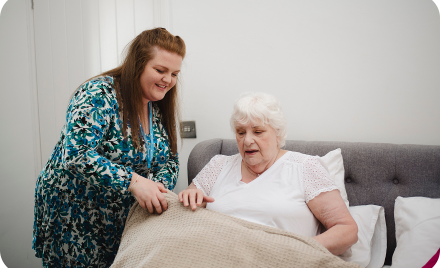
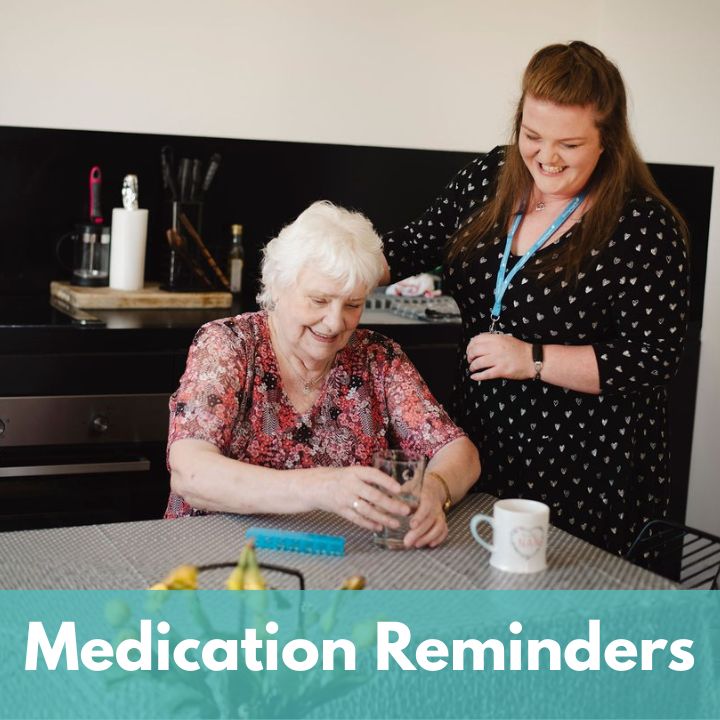
The right support will depend on the person, their medication routine and what they can safely manage themselves. In some cases, a gentle prompt is enough. A caregiver may visit at breakfast and again in the evening to remind someone to take their medication, check that it has been taken, and note any concerns.
In other situations, support is more hands-on within the boundaries of a proper care plan and professional guidance. This may include helping someone access their medication, supporting them to follow the prescribed routine, and observing whether they appear well afterwards. If there are concerns such as side effects, swallowing difficulties, increased confusion, or refusal to take medication, those concerns can then be raised promptly with the family or relevant health professionals.
This is where personalised care matters. Medication support should fit naturally around the person’s daily life. Some people need help first thing in the morning before breakfast. Others need support spread across the day, or more intensive input after an illness or hospital discharge. There is no one-size-fits-all model, and families are often relieved to hear that care can be built around real routines rather than forcing someone into a rigid timetable.
Safety, dignity and trust go together
Medication is a practical issue, but the way support is delivered matters just as much as the task itself. Older people can feel embarrassed about forgetting tablets or worried that accepting help means losing control. A rushed or overly clinical approach can make that worse.
The best support is calm, respectful and consistent. When the same familiar caregiver visits regularly, trust has time to grow. That familiarity often makes it easier for someone to accept prompts, ask questions, or admit when they are unsure. Small conversations matter. If a caregiver knows that a client becomes anxious in the evening, dislikes a particular routine, or needs extra reassurance after changes to a prescription, support becomes more humane as well as more effective.
This is especially important for people living with dementia. Medication support may need patience, repetition and a reassuring face. It is not simply about what should happen on paper. It is about what helps that particular person feel safe enough to cooperate.
When family support is no longer enough
Many relatives start by doing everything themselves. They pop in daily, set up dosette boxes, ring with reminders from work, or spend evenings checking packets and calendars. That can work for a while, but it often becomes hard to sustain. If you are juggling children, work, distance, or your own health, medication support can quickly become one more source of pressure and guilt.
Asking for outside help is not a sign that you are stepping back. In many cases, it allows you to step back into your proper role as daughter, son, spouse or relative, rather than trying to be nurse, pharmacist, scheduler and emergency responder all at once. With reliable support in place, family time can feel more normal again.
There is also reassurance in knowing that changes are more likely to be noticed early. A trained caregiver may spot patterns that a busy relative could easily miss, such as appetite changes, drowsiness after a new prescription, or growing confusion around timing.
Choosing the right help with medication at home
When comparing care options, qualifications and training matter, but so does compatibility. Medication assistance takes place in someone’s private space, often at vulnerable moments in the day. Families need confidence that the person coming through the door is not only competent, but kind, dependable and suited to their loved one.
It is worth asking how care plans are created, how medication support is recorded, what training caregivers receive, and how concerns are escalated. You may also want to ask whether support can begin quickly if circumstances change. For some families, this is a gentle first step into home care. For others, medication support sits alongside personal care, meal preparation, companionship or more complex condition-led support.
cross Harrogate, Knaresborough and the wider North Yorkshire area, local understanding can make a real difference too. Care feels easier to trust when it is delivered by a team that knows the community, responds promptly, and takes time to match carers thoughtfully rather than treating visits as a checklist.
Visiting Angels North Yorkshire sees medication support as part of the bigger picture of safe, dignified living at home. That means looking not only at the medicine itself, but at the person taking it, the family supporting them, and the routines that make daily life feel settled.
A better routine can change the whole day
One of the most overlooked benefits of medication help at home is how much it can improve the feel of the day. When medicines are managed well, mornings can be calmer. Meals happen at the right time. Symptoms may be better controlled. Family members spend less time worrying about whether a dose has been missed and more time simply being present.
It does not solve every care challenge, and some situations do become more complex over time. Needs can change after illness, falls, memory decline or a new diagnosis. But the right support can adapt with those changes, offering more help when needed and preserving independence where possible.
If medication has become a source of uncertainty in your family, it is worth paying attention now rather than waiting for a crisis. The most meaningful care decisions begin with one simple aim: helping someone feel safe, comfortable and themselves in their own home for longer.