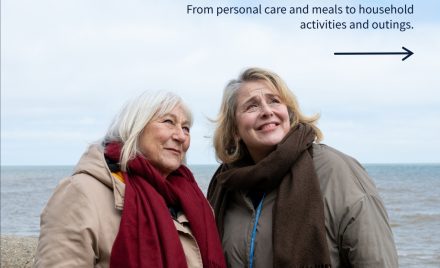

For families, this can be upsetting and difficult to solve from a distance. The good news is that small, consistent moments of connection can make a meaningful difference. The aim is not to fill every hour or take away someone’s independence. It is to help an older person feel seen, included and able to enjoy life on their own terms.
Recognise loneliness before it becomes isolation
Loneliness is not simply being alone. Many people value peace, privacy and time in their own home. It becomes a concern when a person feels disconnected from others or no longer has the relationships and routines that give their day purpose.
Older adults may become lonely after bereavement, retirement, reduced mobility, illness or a move away from familiar neighbours. Hearing or sight loss can make conversations tiring, while a loss of confidence after a fall can make leaving the house feel daunting. Dementia, Parkinson’s and stroke recovery can also change how easily someone communicates or joins in socially.
Signs are not always obvious. Your loved one may say they are fine because they do not want to worry anyone. Look for changes in mood, sleep, appetite, personal care or interest in hobbies. Repeated calls, missed appointments, increased anxiety and comments such as “there is no point” deserve a gentle conversation rather than dismissal.
Start with a kind, direct conversation
It can feel awkward to ask whether someone is lonely, especially if they are proud and used to managing alone. Try to choose a relaxed moment and speak from what you have noticed, not from assumptions. You might say, “I have noticed you seem to be getting out less lately. How have your days been feeling?”
Listen without immediately trying to fix the problem. Someone may miss a spouse, feel embarrassed about needing help with mobility, or worry about being a burden. Those feelings are real. Reassurance works best when it is followed by a practical, manageable next step.
Ask what they miss most. It may be a weekly coffee with friends, gardening, attending a local group, walking to the shops or simply having someone to talk to over lunch. Their answer gives you a much better starting point than a one-size-fits-all activity plan.
Build connection into the ordinary week
Regular contact is often more comforting than occasional grand gestures. A predictable Tuesday phone call, a Sunday video call with grandchildren or a neighbour popping in for tea can give a person something positive to anticipate.
Where possible, make contact meaningful rather than only checking whether everything is alright. Talk about family news, ask for their opinion, share photographs, make plans or ask them to tell a story from their past. Older relatives still want to contribute to family life, not only receive concern.
If you live further away, create a simple rhythm that other relatives can share. One person might call midweek, another visit at the weekend, and a grandchild might send a voice note or postcard. This reduces the pressure on one family member while helping your loved one feel consistently remembered.
Technology can help, but it should suit the individual. A complicated tablet may create frustration rather than connection. Some people are happiest with a telephone, an easy-to-use video device or a digital photo frame updated by the family. Take time to practise together and keep instructions clear.
Help them stay part of their community
Loneliness often grows when getting out becomes difficult. A person may stop attending a club because they no longer drive, feel unsteady on their feet or are unsure who could help them get ready. Practical barriers can be just as significant as emotional ones.
Think about the activities they have always enjoyed. A local lunch club, faith group, library event, gardening group, exercise class or a visit to a familiar café may feel more natural than joining something entirely new. Start slowly. Going once with a family member or companion can restore confidence.
It is worth being realistic about energy levels and health. A busy weekly diary does not suit everyone, particularly someone living with fatigue, dementia or anxiety. One enjoyable outing or conversation can be more valuable than several activities that leave them overwhelmed.
For some people, connection comes from having a role. They may enjoy helping prepare a family recipe, sorting photographs, writing birthday cards, caring for a plant or sharing a skill with a grandchild. Purpose matters because it reminds a person that they are still needed.
Support independence without leaving them to cope alone
Families sometimes hesitate to arrange help because they fear it will make their parent feel less independent. In the right circumstances, support can do the opposite. Help with shopping, meal preparation, personal routines or transport can make it easier for someone to keep doing the things they value.
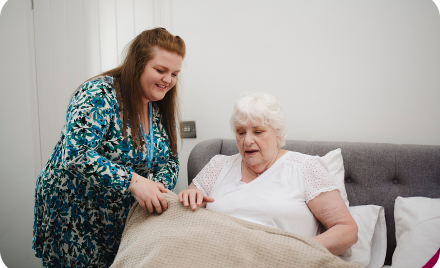
Companionship care is particularly helpful when loneliness is linked to the practical challenges of living alone. A familiar carer can share a cup of tea, accompany someone on a walk, help them visit friends, prepare lunch together or simply provide a reassuring presence during the day. These moments should never feel rushed or transactional.
Continuity matters. Seeing a different person each week can be unsettling, especially for somebody with dementia or reduced confidence. A carefully matched, consistent carer has the time to understand a person’s routines, humour, interests and preferences. Trust can grow naturally, turning support into a genuine relationship while still respecting professional boundaries.
At Visiting Angels North Yorkshire, care plans are shaped around the individual, including the kind of companionship that will feel comfortable and worthwhile. For one person, that may mean support to get to a local activity in Harrogate or Knaresborough. For another, it may mean regular visits at home, conversation over a favourite programme, and practical help that makes the day easier.
When loneliness may be affecting mental health
Loneliness can contribute to low mood, anxiety and a loss of confidence, but it should not be assumed to be the only explanation for a change in behaviour. Depression in later life may look like tiredness, irritability, loss of appetite, poor sleep or withdrawing from others. Sudden confusion, marked changes in mood or a loss of ability to manage everyday tasks may also need medical attention.
Encourage your loved one to speak with their GP if they seem persistently low, anxious or unlike themselves. If they express hopelessness, talk about wanting to die, or you believe they may be at immediate risk, seek urgent professional help. Compassionate companionship is valuable, but it does not replace medical or mental health support when that is needed.
Give yourself permission to share the care
Adult children often carry a quiet weight of guilt. You may be balancing work, children, travel and your own health while trying to be present for a parent who needs more company. No one person can meet every practical and emotional need, every day.
Sharing support is not stepping back from your loved one. It can give your visits room to feel like family time again, rather than a hurried list of jobs. A reliable care arrangement can also offer reassurance when you cannot be there, particularly after a hospital stay, following a fall or when mobility has started to decline.
The most effective approach is usually gradual: listen carefully, choose one small change, see how it feels, then build from there. A familiar voice, an outing that feels possible, a regular visitor and the confidence to remain involved in ordinary life can all help an older person feel less alone. The goal is not simply more contact, but more comfort, dignity and moments of genuine joy at home.