Both options can offer valuable support. The right choice depends on the person’s health, personality, home circumstances and what helps them feel most comfortable. For some people, a lively day centre becomes a welcome part of the week. For others, receiving familiar, one-to-one support at home is the gentler and more practical answer.
Day care versus home care: the key difference
Adult day care, often called a day centre, provides support and activities in a shared setting for part or all of the day. It may include meals, social activities, gentle exercise, transport and supervision. It can give family carers time for work, appointments or rest, while offering their loved one company outside the house.
Home care brings support to the person’s own home at agreed times. A trained carer can assist with morning routines, meals, medication, personal care, mobility, shopping, housekeeping and companionship. Care can begin with a short visit each week or build into daily calls, overnight support or live-in care as needs change.
The distinction matters because care is not only about what is done. It is also about where someone feels settled, how much control they retain, and whether the support fits naturally around their existing life.
When day care can be a positive choice
A good day centre can be especially helpful for an older person who enjoys meeting others and would benefit from a regular reason to get out. Shared activities, conversation and a change of scene can reduce loneliness for someone who is otherwise well enough to manage at home for much of the week.
It may also suit families where a relative provides most care outside working hours. Knowing a loved one is supervised, fed and occupied during the day can relieve pressure and make it more sustainable for the family to continue helping.
For some people, though, the practicalities can become difficult. Getting ready to leave the house, waiting for transport, coping with unfamiliar rooms or spending a full day in a group can be tiring. A person with reduced mobility, continence needs, sensory impairment or anxiety may find the journey and busy environment more stressful than enjoyable.
Day care is also usually arranged around the centre’s timetable. That can be reassuring for people who like structure, but it is less flexible when someone needs help with personal routines at particular times, has medical appointments, or simply prefers a quieter day at home.
Why home care can feel more personal
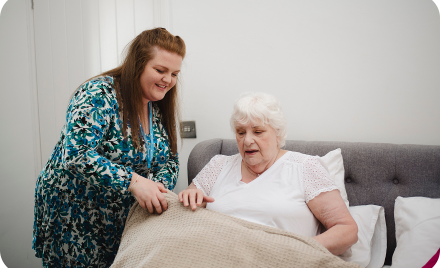
Home care allows support to happen around the person, rather than asking the person to adapt to a service. A carer might prepare breakfast, prompt medication, help with washing and dressing, then make sure the kitchen is safe and comfortable before leaving. Another visit later in the day might include a walk, lunch, light housework or help settling in for the evening.
This can protect familiar routines that are easily overlooked but deeply meaningful: tea in a favourite chair, a neighbour calling by, listening to the radio, tending the garden or choosing what is for dinner. Staying at home is not right for every situation, but for many people it supports independence because help is provided with the tasks that have become difficult, rather than taking over everything.
Continuity is particularly valuable. Seeing a small, well-matched team of carers can help a person feel relaxed enough to accept support with dignity. Over time, a carer learns the little details that make a difference, from how someone likes their toast to the signs that they are feeling unwell or unusually quiet.
At Visiting Angels Home Care Harrogate, careful client-carer matching is central to planning care. Skills matter, especially where dementia, Parkinson’s, stroke recovery or more complex needs are involved. But shared interests, communication style and a dependable relationship matter too.
Support for changing health needs
Home care can be adapted when a person’s needs change. Someone may initially need companionship and a little help with shopping, then later require personal care, medication assistance or more regular reassurance after a fall or hospital stay.
For people living with dementia, familiar surroundings may reduce confusion and distress. A consistent carer can support routines, prepare meals, encourage hydration and provide calm companionship without removing the person from the home they know. That said, a dementia-friendly day service can still be a good complement for someone who enjoys social contact and can manage the setting with the right support.
Independence, companionship and family reassurance
It is easy to assume that attending day care means more social interaction and home care means isolation. In reality, both can reduce loneliness in different ways.
A day centre offers a group environment, new conversations and organised activities. This may be energising for an outgoing person who misses being around people. Home care provides more individual companionship: chatting over a meal, visiting local shops, taking a familiar route through Harrogate or Knaresborough, or simply having someone present who is not in a rush.
The person’s preference should lead the decision wherever possible. Some people have always valued privacy and may feel uncomfortable in a group, while others may look forward to the bustle of a centre. Asking, rather than assuming, is a meaningful way to preserve dignity.
Home care can also reassure families who live nearby but cannot be there every day, as well as relatives further afield. Regular visits create an extra pair of observant eyes. A carer may notice changes in appetite, mobility, mood or personal hygiene early and share appropriate concerns, giving families clearer information rather than leaving them to worry between visits.
Comparing the practicalities and cost
Costs vary according to the provider, location, level of need and whether transport or specialist support is required. A day centre may charge by the session or day, sometimes with meals and transport included or charged separately. Home care is generally priced by visit length and the type of help needed, with more intensive or specialist care costing more.
The lower headline price is not always the better value. Consider what each arrangement actually covers. If a loved one attends day care but still needs help to get dressed, take medication, prepare breakfast and settle safely in the evening, the family may need additional support around the day-centre hours.
Equally, a few carefully timed home-care visits may meet someone’s needs without paying for a full day of care. A clear assessment should look at the whole week, not only the most difficult part of the day. It should also explain costs openly, including any evening, weekend or transport charges.
Questions that help families decide
Before choosing, think about how your loved one manages mornings, meals, medication, mobility and time alone. Notice what lifts their mood and what makes them anxious. A person who dislikes leaving home may not thrive in a centre simply because it appears sociable, while someone who misses friends and activities may benefit from regular days out.
It can help to ask whether the support needs to be one-to-one, whether personal care is required, and how flexible the arrangement must be. Consider the journey to a day centre, the reliability of transport, and whether the home is safe enough for someone to remain there between care visits.
If circumstances allow, a short trial can be revealing. A person may enjoy one or two days at a centre but prefer home care for the rest of the week. There is no rule that says families must choose only one option. Combining a weekly day service with care at home can offer both social connection and the comfort of familiar routines.
The right care should feel like support, not disruption
The best choice is the one that helps your loved one remain safe without making life feel smaller. It should respect who they are, make ordinary days easier and give your family confidence that they are not carrying the responsibility alone.
Start with the person’s own routines, wishes and worries. From there, the right support often becomes clearer – whether that means a welcoming day centre, compassionate help at home, or a thoughtful combination of both.