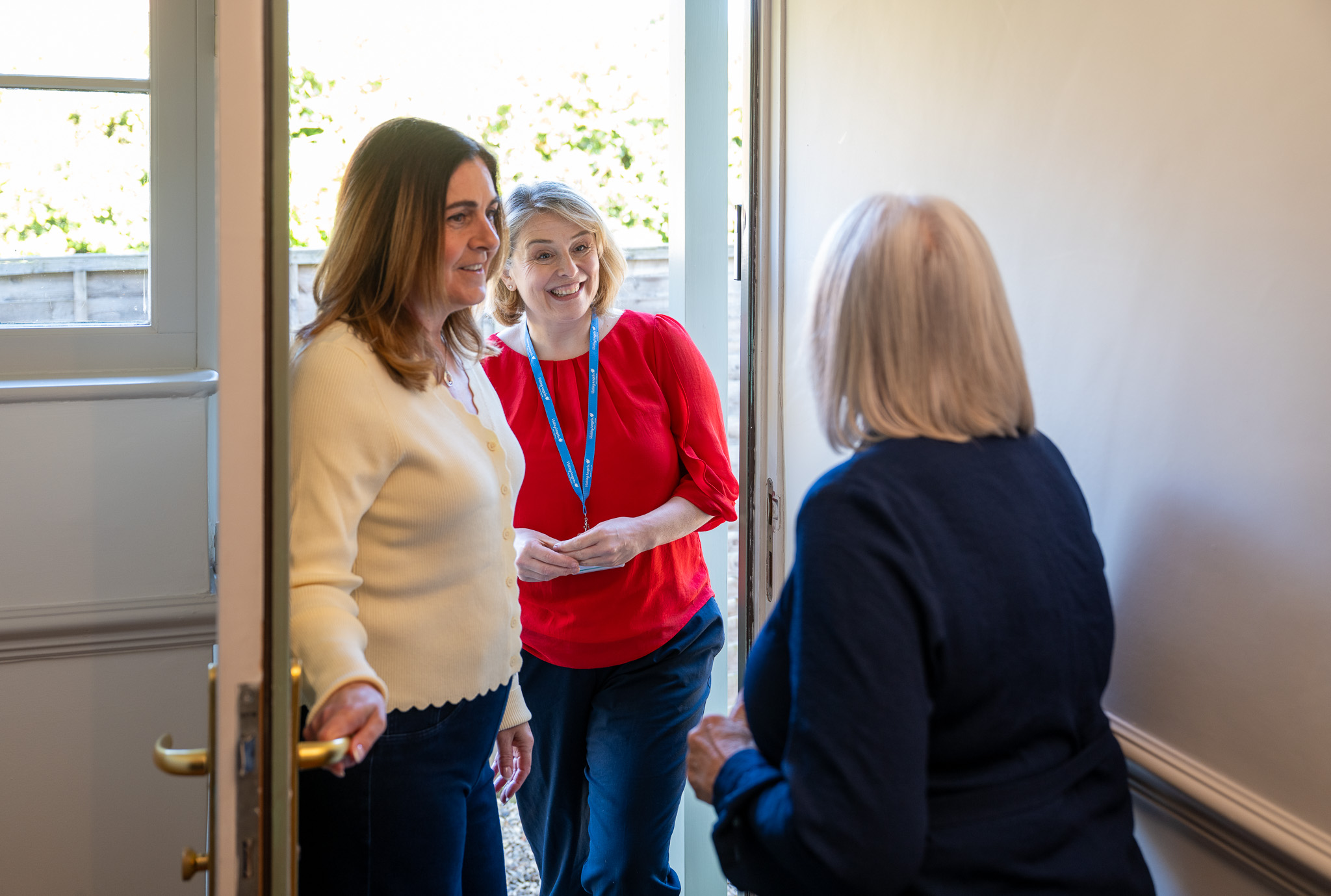

For many families across Harrogate, Knaresborough, Ripon, Wetherby and the surrounding villages, the concern is not simply getting someone home. It is helping them feel safe, comfortable and respected once they are there. The right care plan can protect independence while providing the extra help that recovery often requires.
Start planning before discharge, where possible
The best time to discuss support at home is before your relative leaves hospital. Ask the ward team what they expect your loved one to manage independently, what they should avoid, and whether any equipment or follow-up appointments are needed. If an occupational therapist, physiotherapist or discharge co-ordinator is involved, their guidance can help shape the support required at home.
It is helpful to be specific. Can your parent safely get in and out of bed? Will they be able to prepare a meal, wash, dress, use the stairs or collect a prescription? Are they likely to remember new medication instructions when they are tired or in pain? Small difficulties in hospital can become significant worries at home, particularly during the first few days.
Discharge arrangements vary. Some people may receive short-term reablement support through local services, while others may need to organise private home care or additional help from family. Reablement can be valuable for regaining confidence and skills, but it may be time-limited and may not cover every part of the day. It is sensible to understand what is in place and where there may still be gaps.
What post hospital care planning should cover
A good plan is personal rather than a generic checklist. It should reflect the person’s condition, home environment, routines and wishes, as well as the practical capacity of the family. Someone recovering from a planned hip operation may need a short period of mobility support; someone returning after a stroke, fall or severe illness may need more regular, longer-term assistance.
Everyday support that makes recovery easier
In the early stages, help with ordinary tasks often matters most. A carer can assist with washing and dressing, prepare nourishing meals, make drinks, complete light housekeeping and collect shopping or prescriptions. This allows the person recovering to use their energy where it is needed, rather than struggling through chores that could increase the risk of a fall or setback.
Medication also deserves careful attention. A home care professional can provide medication assistance in line with an agreed plan, offering reminders and support so that prescribed medicines are taken correctly. Families should still make sure they understand any changes made in hospital, including which medicines have stopped and which new ones need to be ordered.
Safety at home without taking over
A return home may reveal hazards that were easy to manage before an illness or operation. Loose rugs, poor lighting, a crowded hallway and a difficult bath can all make a person less confident. Simple changes, such as keeping essentials within reach, arranging a downstairs sleeping area if appropriate, or ensuring there is a clear route to the bathroom, can make a real difference.
However, safety should not mean removing choice. The aim is to help your loved one do what they can safely do for themselves. Encouragement, patience and the right level of support can preserve confidence during recovery. Too much help can sometimes feel frustrating; too little can leave someone anxious or at risk. The balance depends on the individual and may change from week to week.
Emotional reassurance and companionship
After a hospital stay, people can feel vulnerable in ways that are not immediately visible. They may be worried about becoming unwell again, embarrassed about needing help, or unsettled by changes in their mobility and routine. A familiar, friendly face can be as valuable as help with a meal or a wash.
Regular visits create opportunities to notice small changes in mood, appetite, mobility or wellbeing. They can also give family members reassurance that someone is checking in with genuine care. For relatives juggling work, children and their own responsibilities, this dependable contact can ease the pressure without making them feel absent from their loved one’s recovery.
Choosing the right level of care at home
Care does not have to be an all-or-nothing decision. A few scheduled visits each week may be enough for someone who needs help with meals, shopping and personal care while they regain strength. Several visits a day may be more appropriate following a major operation, a fall, or an illness that has affected mobility and confidence.
For more complex needs, families may need specialist support. Stroke recovery can involve changes in movement, communication and cognition. Parkinson’s can bring fluctuating mobility and medication timing needs. Dementia may make a sudden change in surroundings or routine especially distressing. In these circumstances, care should be planned around the person, with carers who understand the condition and the importance of calm, consistent routines.
Live-in care may be worth considering where a person cannot safely be left alone for extended periods, or where a couple want to remain together at home but one partner needs substantial support. It is a significant decision and will not be right for every household. Yet for some families, it offers continuity, companionship and the comfort of round-the-clock reassurance without an immediate move into residential care.
The value of continuity after hospital
When someone is recovering, repeatedly explaining their needs to unfamiliar people can be tiring and unsettling. Continuity of care gives a carer the chance to understand the person behind the care plan: how they like their tea, when they prefer to get up, what helps when they are anxious, and which signs might suggest they are not quite themselves.
That relationship also helps families communicate more confidently. Rather than relying on a series of brief handovers, they can speak to a care team that knows their relative’s routines and changing needs. At Visiting Angels North Yorkshire, careful client-carer matching is central to this approach, because practical support feels very different when it is delivered by someone a person trusts.
Questions to ask before arranging support
Before care starts, take time to ask how the provider will assess needs, how quickly care can begin, and whether the plan can be adjusted as recovery progresses. Ask who will visit, how continuity is managed, and how the team communicates with families if concerns arise. Transparent information about visit lengths, costs and what is included helps avoid surprises at an already stressful time.
It is also reasonable to ask about training and experience. A person returning home after hospital may have new needs that were not present before their admission. The care provider should be able to explain how carers are prepared to support mobility, personal care, medication assistance and condition-specific needs, while knowing when to raise concerns with the family or appropriate healthcare professional.
Keep the plan flexible in the first few weeks
The first care arrangement does not need to be permanent. Recovery is rarely a straight line: your loved one may need more help initially, then gradually take on tasks again. Alternatively, a return home may show that their needs are greater than anyone expected. Reviewing the plan regularly allows support to remain appropriate, dignified and useful.
Keep a simple record of appointments, medication changes, symptoms and questions for professionals. If there is a noticeable deterioration, new confusion, severe pain, a fall, breathing difficulty or another urgent concern, seek advice from the appropriate healthcare service rather than waiting for the next routine visit.
Coming home from hospital should be a step towards comfort and recovery, not a period of uncertainty. With kind, well-matched support around them, a loved one can have the time, encouragement and practical help to settle back into the place they know best.