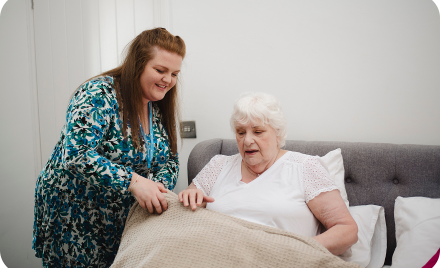

The first thing many relatives want to know is simple: can care be put in place quickly without compromising quality? In many cases, yes. But speed matters most when it is paired with good assessment, experienced carers and a thoughtful match between the person needing support and the person providing it. That balance is what turns a rushed arrangement into care that genuinely helps.
When urgent home care for elderly people becomes necessary
Urgency does not always begin with a dramatic event. Sometimes it follows a fall, a hospital discharge or a new diagnosis. Just as often, it grows quietly over a few weeks. Mum is forgetting meals. Dad is leaving tablets untouched. A once-manageable routine has become unsafe.
Families across Harrogate, Knaresborough, Ripon, Wetherby and the wider North Yorkshire area often reach this point while juggling work, children and long drives between visits. You may have been coping for months, telling yourself things are “not quite there yet”. Then one missed medication, one night-time wandering episode or one failed attempt to get out of a chair changes the picture.
Urgent care can be the right next step when daily life is no longer reliable without support. That might mean help with washing and dressing, preparing meals, mobility, medication prompts, companionship, or more specialist support after a stroke or alongside dementia or Parkinson’s. The need may be immediate, but the person at the centre of it still deserves care that feels calm, respectful and personal.
What families usually need in the first 48 hours
In urgent situations, families are often trying to solve several problems at once. They need to know their loved one is safe today, but they also need a plan for next week and next month. Those are two different questions, and good care should address both.
The first priority is practical risk. Is the person eating properly? Can they get to the toilet safely? Are they at risk of falls? Are they confused at certain times of day? Do they need support with medication, mobility or personal care? If someone has just returned home from hospital, the urgency may centre on reduced strength, pain management, rehabilitation routines or monitoring changes in condition.
The second priority is emotional. Older people are often frightened by sudden changes, even when they do not say so directly. They may worry about losing independence, becoming a burden, or having strangers in their home. Families feel this too. Adult children can carry guilt for not spotting things earlier or for not being able to do everything themselves. Sensitive, dependable home care should ease that strain, not add to it.
Fast does not have to mean impersonal
This is one of the biggest worries families have, and rightly so. When care is needed quickly, there can be a fear that any available person will simply be sent out to fill a slot. That approach may solve a rota problem, but it does not build trust.
The right carer changes everything. In urgent situations especially, continuity and compatibility matter because the older person is already adjusting to a loss of routine. A carer who understands their preferences, speaks to them with warmth, and notices subtle changes in mood or health can make those first days far easier.
That is why careful matching still matters, even when timescales are short. A quieter person may need someone gentle and steady. Another may respond better to a carer with a cheerful, chatty manner. Someone living with dementia may need consistency and a calm approach above all else. A family arranging support quickly should still expect thoughtful planning rather than a one-size-fits-all service.
What urgent support can look like at home
Urgent care is not one fixed package. It depends on what has changed and what the person can still manage safely. For some families, a short series of visits each day is enough to stabilise things. For others, live-in care or more specialist support may be the safer option.
A person recovering after a hospital stay may need help getting up, washed and dressed, meals prepared, and reassurance throughout the day while confidence returns. Someone living alone with progressing dementia may need regular visits to reduce confusion, encourage eating and drinking, and create structure. A person with Parkinson’s may need patient support with mobility, timing around medication and help when symptoms fluctuate.
There are trade-offs here. Short visits can work well when risks are limited and family members are nearby. If nights are becoming unsafe, or if someone is anxious and disorientated when left alone, a more intensive arrangement may be more appropriate. The best answer depends on the person, their home environment, their condition and the support network around them.
How to arrange urgent home care without feeling overwhelmed
The process should feel manageable, even when circumstances are difficult. Start by being honest about what is happening now, not what you hope will improve on its own. If your mother cannot safely prepare food, or your father is missing medication, say so plainly. Clear information helps care teams assess urgency properly.
It also helps to gather the essentials before making an enquiry. Think about current challenges, any diagnoses, recent hospital involvement, medication routines and the times of day when support is most needed. If there have been falls, confusion, wandering or changes in continence, mention them. These details can feel personal, but they matter because they shape the care plan.
Ask practical questions too. How quickly can visits begin? What type of care can be provided? How are carers matched? Will the same small team attend where possible? How are costs explained? Families should not be left guessing, especially when they are already under pressure.
A good provider will explain what can realistically be arranged at speed and where a little more planning may be needed. That honesty is important. Promising everything immediately may sound reassuring, but reliable care depends on safe staffing, clear communication and proper understanding of needs.
Why local knowledge makes a difference
Urgent care often works best when organised by a provider that knows the local area and can respond with some flexibility. Families do not just need a care package on paper. They need confidence that support can be delivered consistently across Harrogate, Knaresborough and surrounding communities, and that any changes can be handled without endless delays.
Local teams tend to understand the realities families are dealing with. They know that relatives may be travelling in from nearby towns, coordinating with district nurses, or trying to arrange a rapid discharge home. They also know that what looks straightforward in theory can become more complicated once a real person, in a real home, is involved.
This is where a relationship-led service stands apart. Visiting Angels Harrogate, for example, focuses strongly on matching clients with carers who suit them as people, not just as tasks on a schedule. In urgent circumstances, that human fit can be the difference between care that is merely accepted and care that helps someone feel safe, respected and settled.
Cost, timing and setting realistic expectations
Families often hesitate to ask about cost when things are urgent, but it is a sensible and necessary conversation. Home care is usually priced according to the level, frequency and complexity of support required. A few daily visits will look different from overnight care or live-in support.
The cheapest arrangement is not always the most sustainable. If a lower level of care leaves family members filling constant gaps, exhaustion follows quickly. On the other hand, more support than someone truly needs may not be the right fit either. The aim is proportional care – enough to keep a loved one safe, comfortable and dignified, while preserving as much independence as possible.
Timing also varies. Some situations allow care to begin very quickly, while others require coordination around assessments, discharge plans or specialist needs. Families are best served by providers who are clear about what can happen now, what can be built in over the next few days and how care can adapt if circumstances change.
The real goal is not just speed
When people search for urgent care, they are usually looking for relief from immediate pressure. But what they really want is steadier ground. They want to know that their parent is not facing each day alone, that help will arrive when expected, and that the person walking through the door will bring kindness as well as competence.
Good urgent home care should create breathing room. It should reduce risk, restore some routine and give families the chance to stop firefighting and start making thoughtful decisions. For many older people, it also means something deeply important – the ability to remain in familiar surroundings, with their own chair, their own kettle, their own memories, and support wrapped around them in a way that protects dignity rather than taking it away.
If your family has reached the point where something needs to change quickly, trust that asking for help is not giving up. Often, it is the moment things become safer, gentler and far more manageable for everyone involved.