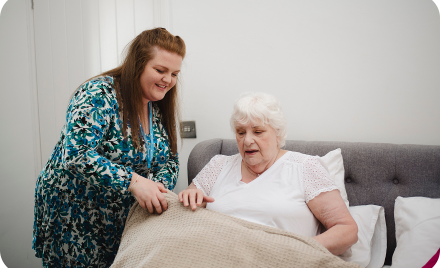

Families often notice the signs gradually. The fridge is emptier than usual. Fresh food goes off because cooking feels too tiring. Someone who used to enjoy choosing their own meals starts relying on biscuits, toast or whatever is easiest. In other cases, a loved one still wants to stay fully involved but needs a bit of practical support to make shopping manageable again.
Why shopping support for elderly at home matters
Shopping is closely tied to dignity and routine. Being able to choose what to eat, when to eat and what is needed around the house is part of feeling in control. When that becomes difficult, the impact reaches further than many families expect.
Good support helps older people keep their cupboards stocked, maintain a balanced diet and avoid the physical strain of travelling, lifting or standing in queues. It can also reduce the risk of small problems becoming serious ones. Missing meals, dehydration and poor nutrition can all affect strength, mood and recovery, especially after a hospital stay or during longer-term conditions such as dementia, Parkinson’s or stroke recovery.
There is also an emotional side. Some people feel embarrassed admitting they cannot manage the shop as they once did. Others worry that accepting help means losing independence altogether. In reality, the right support often protects independence. A little help with shopping can allow someone to remain in their own home for longer, with more confidence and less stress.
What shopping support can look like at home
There is no single way to provide shopping help well. It depends on the person, their health, their preferences and how involved they want to be.
For one older person, support may mean a caregiver helping them write a shopping list, checking what is already in the kitchen and collecting the weekly essentials. For another, it may mean accompanying them to the local shop so they can still choose their favourite foods and keep that sense of normality. Some people prefer to order groceries by phone or online with help from someone they trust, especially if mobility is limited or busy supermarkets feel overwhelming.
In many homes, shopping support works best when it is joined up with other day-to-day care. Food can be bought, put away safely, dates checked and meals prepared in line with dietary needs. That matters if someone is managing diabetes, has swallowing difficulties, needs soft foods, or simply struggles with energy and appetite.
The detail matters here. It is not only about getting items from a shelf to a kitchen. It is about understanding routines, likes and dislikes, budget, cultural preferences and any medical or practical needs that shape what should be bought.
The value of familiar, consistent support
Consistency makes a real difference. If different people shop each week without knowing the person well, important details can be missed. A regular caregiver is more likely to notice that milk is being left untouched, favourite meals are no longer being eaten, or someone is losing weight and needs extra support.
That continuity also helps emotionally. Older people are often more comfortable discussing what they need with someone they know. A familiar face can turn a practical errand into a reassuring part of the week, with conversation, encouragement and a sense of normal routine.
Signs your loved one may need help with shopping
Families do not always realise that shopping has become difficult until something else draws attention to it. Sometimes the signs are obvious, such as unopened post-order groceries, spoiled food or a parent saying they are skipping the shops because they are too tired. At other times, the clues are quieter.
You may notice repeated purchases because memory is changing, or very little fresh food in the house because cooking from scratch feels too much. A loved one may stop inviting people round because they feel embarrassed about having an empty fridge. They may mention aches, dizziness or fear of going out alone. After a fall, an operation or a hospital discharge, even a short trip to the shops can suddenly feel out of reach.
If you live some distance away, these worries can become a constant background strain. You may find yourself trying to arrange deliveries between work meetings or making rushed trips at weekends to top up the basics. Support at home can relieve that pressure while making sure your relative has consistent, dependable help.
Choosing the right kind of shopping support
Not every type of help will suit every family. Some older people need only light practical support once a week. Others need a more joined-up care plan that includes shopping, meal preparation, companionship and help around the home.
The key is to look beyond the task itself. Ask whether your loved one needs physical help with getting out, support with decision-making, prompting around food and hydration, or someone who can notice changes in wellbeing. If memory loss is involved, shopping support may need to be more structured. If mobility is the main issue, accompanied trips or someone collecting items may be enough.
Trust matters just as much as practicality. Inviting someone into a parent’s home is a big decision. Families want to know that the person helping with the weekly shop will also show patience, respect and good judgement. That is why carefully matched, well-trained caregivers tend to make such a difference. The right person does not just complete the errand. They help the older person feel heard, comfortable and involved.
Shopping support and companionship often go together
For many older adults, the weekly shop used to be part of social life. It offered conversation, routine and a reason to get out. When shopping becomes difficult, that social contact can disappear too.
This is why practical support often works best when it comes with companionship. A caregiver might chat through meal ideas, stop for a cup of tea after putting the shopping away, or help someone feel confident enough to visit a local shop again. Those moments can lift mood as much as they solve the practical problem.
At Visiting Angels Home Care Harrogate, this people-first approach is central to how support is delivered. Families are not simply looking for errands to be completed. They are looking for someone dependable and kind who will treat their loved one with dignity and build trust over time.
How shopping help supports health at home
There is a direct link between having the right food in the house and staying well. Older people recovering from illness often need encouragement to eat properly. Those living with long-term conditions may need support to keep to a suitable diet. Even mild dehydration or poor appetite can lead to weakness, confusion and a greater risk of falls.
When shopping support is thoughtful and consistent, it becomes easier to keep preferred foods available, avoid unnecessary waste and make meals simpler to manage. Families also gain reassurance. They know someone is checking that the kitchen is stocked, noticing when patterns change and helping their relative stay comfortable at home.
This kind of support can be especially valuable after hospital discharge, when everyday tasks feel harder than expected. A person may look much better than they actually feel. Having help with shopping and meals during recovery can prevent exhaustion and give them the best chance to regain strength safely.
A practical step that can ease a bigger worry
Many families begin by asking for help with one thing – often the shopping – because it feels like a manageable first step. That can be a good place to start. It introduces support in a way that feels respectful and useful, rather than overwhelming.
From there, care can remain light-touch or grow as needs change. What matters is that support is shaped around the person, not forced into a rigid routine. Some people will always want to choose every item themselves. Others will be relieved to hand over the practical strain and simply know everything is in place.
When shopping becomes difficult, families do not need to wait for a crisis. A small amount of well-matched help can restore routine, improve nutrition and bring real peace of mind. Sometimes the most reassuring change is also one of the simplest – knowing the cupboards are stocked, the kettle is on, and your loved one is not managing alone.