
Mental health is something that affects us all, at every stage of life. But in later years, emotional wellbeing can sometimes be overlooked or misunderstood.
During Mental Health Awareness Week, it’s important to highlight the unique challenges older adults may face and how the right support can make a real difference. This year, Mental Health Foundation is focusing on the theme of Action, because while awareness is important, real change happens when we take meaningful steps to support ourselves and others.
You can learn more about the campaign by clicking here. The message is simple: we’ve come a long way in how we talk about mental health, but there’s still more we can do, especially when it comes to preventing people from becoming unwell in the first place.
Why mental health matters in later life
As people age, they may experience changes that affect emotional wellbeing, such as:
- Losing close friends or partners.
- Reduced mobility or independence.
- Changes in routine or health.
- Spending more time alone.
These changes can sometimes lead to feelings of loneliness, anxiety, or low mood.
Loneliness and its impact
Loneliness is one of the most common but least talked about issues affecting older adults. It doesn’t always look obvious. It can show up as:
- Withdrawing from conversation.
- Losing interest in hobbies.
- A lack of motivation.
- Changes in sleep or appetite.
Recognising these signs early is important so support can be offered in a meaningful way.
Taking action: small steps that make a difference
Supporting mental health doesn’t always require big changes. Often, it’s the small, consistent actions that have the biggest impact.
This might include:
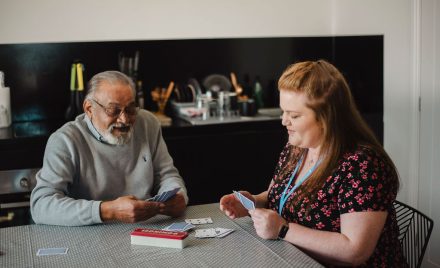
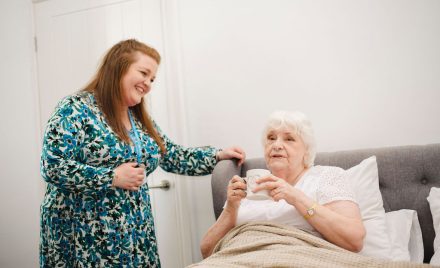
- Regular visits from a familiar caregiver.
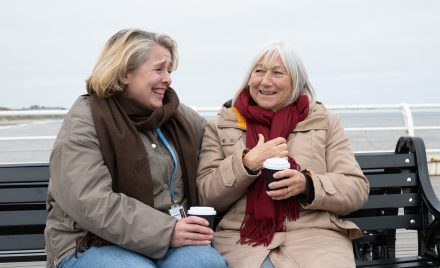
- Short walks or trips into the community.
- Shared meals or conversation.
- Encouragement to stay engaged with hobbies or interests.
These simple actions help build routine, connection, and a sense of purpose.
Companionship matters
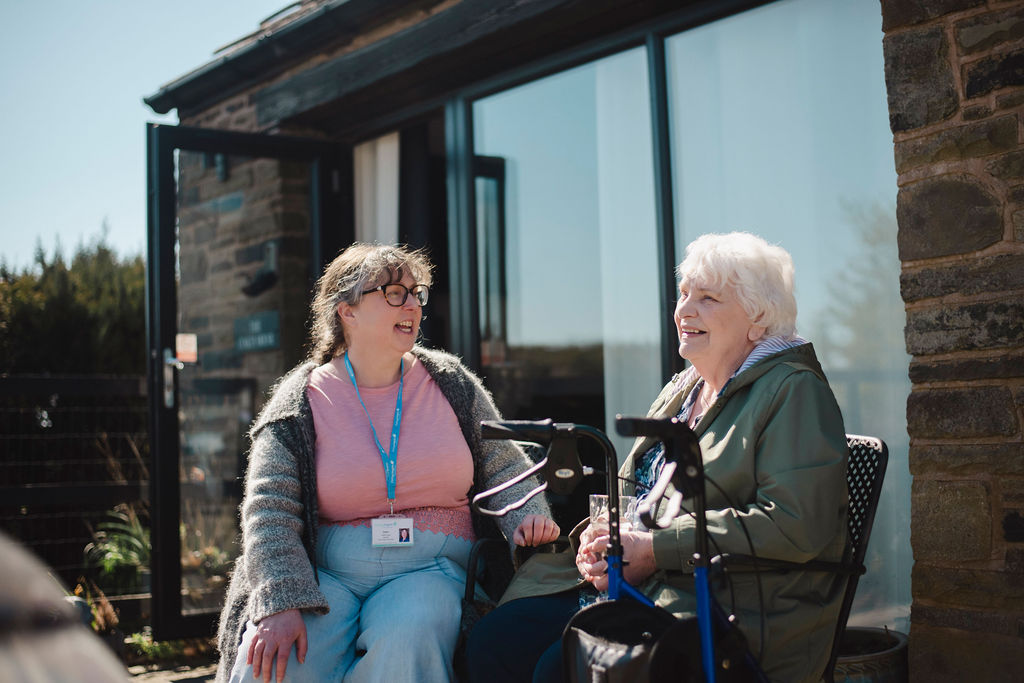
Sometimes, what makes the biggest difference is simply having someone there.
A friendly face who listens, chats, and provides reassurance can help reduce feelings of isolation and bring comfort to daily life.
This is a core part of the support we provide at Visiting Angels Stirlingshire, building genuine relationships that support both emotional and physical wellbeing.
Supporting wellbeing at home
Home care isn’t just about tasks, it’s about quality of life. Our caregivers support people to:
- Stay socially connected.
- Maintain independence where possible.
- Feel safe, heard, and valued.
- Continue enjoying familiar routines.
Even small interactions can have a positive impact on mental wellbeing over time.
Looking ahead
Supporting mental health in later life doesn’t need to be complicated. Small, consistent actions like checking in, spending time together, and encouraging routine can all help someone feel more connected and supported.
If you’re noticing changes in a loved one’s mood or wellbeing, it’s worth exploring what support might help. Whether that’s a bit more regular contact, companionship, or professional care, taking that first step can make a meaningful difference.