
For many older people, staying in their own home is incredibly important. It’s where they feel comfortable, surrounded by familiar belongings, memories and routines.
As we get older, however, everyday activities can sometimes become more challenging. Families naturally want to know their loved ones are safe, but it’s equally important that older people continue to feel independent and in control of their own lives.
This is something we’re highlighting during Safeguarding Adults Week (16–22 November), which this year has the theme Every Voice. Every Choice.
It’s a reminder that keeping people safe isn’t just about protecting them from harm. It’s also about listening to their wishes, respecting their decisions and helping them live life in the way they choose.
What does safeguarding mean for older people?
Safeguarding, often referred to as adult protection in Scotland, is about helping protect adults who may be at risk of harm, abuse, neglect or exploitation.
For older people receiving care at home, this can include protecting their physical and emotional wellbeing, recognising potential concerns and making sure their views are heard.
But safeguarding isn’t about taking away someone’s independence or making every decision for them.
Good care should help people feel safe, respected and confident, while supporting them to make their own choices wherever possible.
Five ways to help an older loved one stay safe at home.
There are plenty of practical things families can do to support an older relative without making them feel they’ve lost control of their daily life.
- Make the home environment safer.
Simple changes around the home can help reduce the risk of accidents. These might include removing trip hazards, improving lighting, keeping frequently used items within easy reach and making sure pathways are clear. It’s important to involve your loved one in these decisions, rather than making changes without discussing them first.
- Encourage open conversations.
Regular conversations can help you understand how someone is really feeling. Ask whether they’re comfortable at home, if anything is worrying them or whether there are tasks they’re finding more difficult. Sometimes people are reluctant to admit they’re struggling because they’re worried about losing their independence. Listening without judgement can make it easier for them to talk openly.
- Look out for changes in behaviour or wellbeing.
Changes in mood, confidence or daily routines can sometimes indicate that someone needs additional support. For example, you might notice that a loved one has become unusually withdrawn, appears anxious, is neglecting their personal care or seems worried about money. These changes don’t necessarily mean something is wrong, but they are worth exploring sensitively. If you’re concerned that someone may be experiencing abuse, neglect or exploitation, it’s important to seek advice from the appropriate local services.
- Help them stay connected.
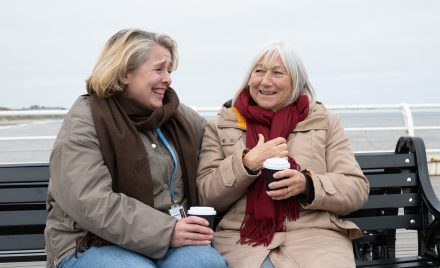
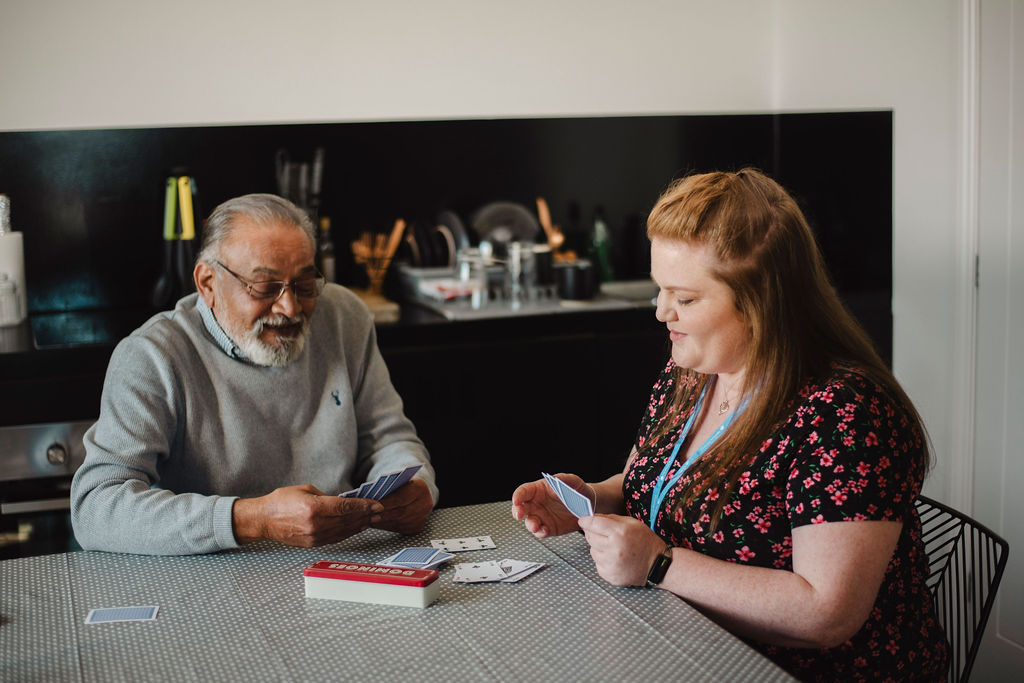
Loneliness and isolation can affect an older person’s wellbeing, particularly if they have reduced mobility or find it difficult to get out independently. Regular visits from friends, family or caregivers can provide companionship and reassurance. Whether it’s enjoying a cup of tea, going for a walk or taking part in a favourite hobby, maintaining social connections can help people feel happier and more confident.
- Respect their choices and routines.
Everyone has their own preferences, and getting older shouldn’t mean losing the right to make everyday decisions. Something as simple as choosing what to wear, when to have lunch or how to spend the afternoon can make a real difference to someone’s sense of independence. Supporting these choices is an important part of person-centred care.
Recognising potential safeguarding concerns.
Sometimes concerns about an older person’s safety go beyond everyday risks around the home.
Possible warning signs might include:
- Unexplained injuries or frequent bruising.
- Sudden changes in behaviour, mood or confidence.
- Poor hygiene, dehydration or unmet care needs.
- Unusual financial activity or missing belongings.
- Appearing frightened or uncomfortable around particular people.
- Being prevented from speaking freely or making their own decisions.
These signs don’t automatically mean abuse or neglect is taking place, but they should never be ignored.
In Scotland, concerns that an adult may be at risk of harm can be raised with the local council’s adult protection team. If someone is in immediate danger, contact the emergency services.
How person-centred home care supports safety and independence.
At Visiting Angels Stirlingshire, we believe good care starts with getting to know the person, not simply focusing on the tasks they need help with.
Our caregivers take time to understand each client’s routines, preferences, interests and what matters most to them.
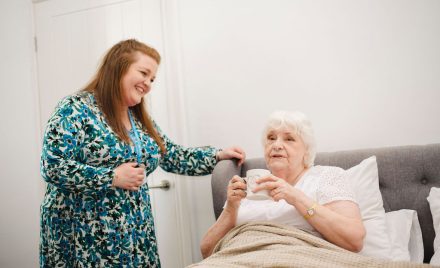
Whether someone needs companionship, help with personal care or more regular support, our aim is to help them continue enjoying life at home while feeling safe, comfortable and respected.
This includes encouraging people to do what they can for themselves, involving them in decisions about their care and building trusting relationships with their caregivers.
We also recognise how important communication is, both with the people we support and their families.
Keeping people safe while respecting what matters to them.
Safeguarding Adults Week is a useful reminder that safety and independence should go hand in hand. For families, that means recognising when a loved one might need extra support, listening to their concerns and finding ways to help without taking away their choices.
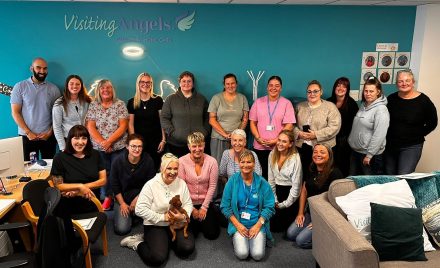
For care providers, it means delivering care with dignity, respect and an understanding that every person is different. At Visiting Angels Stirlingshire, we’re committed to helping people remain safe, independent and happy in their own homes.
If you’re exploring home care for yourself or a loved one, our friendly team would be happy to talk through the support available.