
Falls can affect much more than physical health. Even when there is no serious injury, confidence can drop quickly. Someone who was managing well may start avoiding showers, stairs, trips to the kitchen or time outdoors. That loss of confidence can lead to less movement, weaker muscles and even greater risk over time. The goal is not to take independence away. It is to protect it.
The best ways to reduce falls begin with looking at the whole picture
It is tempting to focus only on obvious hazards such as loose mats or poor lighting, and those do matter. But falls usually happen because several factors come together. Mobility, medication, eyesight, balance, footwear, health conditions and home layout can all play a part.
That is why the most effective approach is rarely a single fix. A grab rail on its own may help, but it works far better when combined with stronger routines, sensible footwear, regular eating and drinking, and the right level of day-to-day support. If your loved one has dementia, Parkinson’s, arthritis or is recovering from a stroke, the answer may need to be even more tailored.
Make the home easier to move around safely
One of the best ways to reduce falls is to remove the need for awkward movements in the first place. Small changes in layout often make a bigger difference than families expect.
Clear walking routes are a good place to start. Hallways, landings and the space between bed, chair and bathroom should be free from clutter, trailing cables and unnecessary furniture. Items used every day should be easy to reach, so there is less need to stretch, bend too low or climb on stools.
Lighting deserves close attention as well. Many falls happen during the night or in dim corners of the home. Brighter bulbs, bedside lamps within easy reach and motion-sensor lights on the route to the bathroom can all help. The aim is not harsh lighting, but steady, reliable visibility.
Bathrooms and stairs are often the highest-risk areas. Non-slip mats, grab rails and a second stair rail can improve safety, but they need to be fitted in the right place for the person who uses them. What works for one household may not suit another.
Strength and balance matter more than many people realise
A person does not need to be frail to be at risk of falling. In fact, many falls happen when someone is trying to carry on as normal, but their balance or leg strength has quietly reduced.
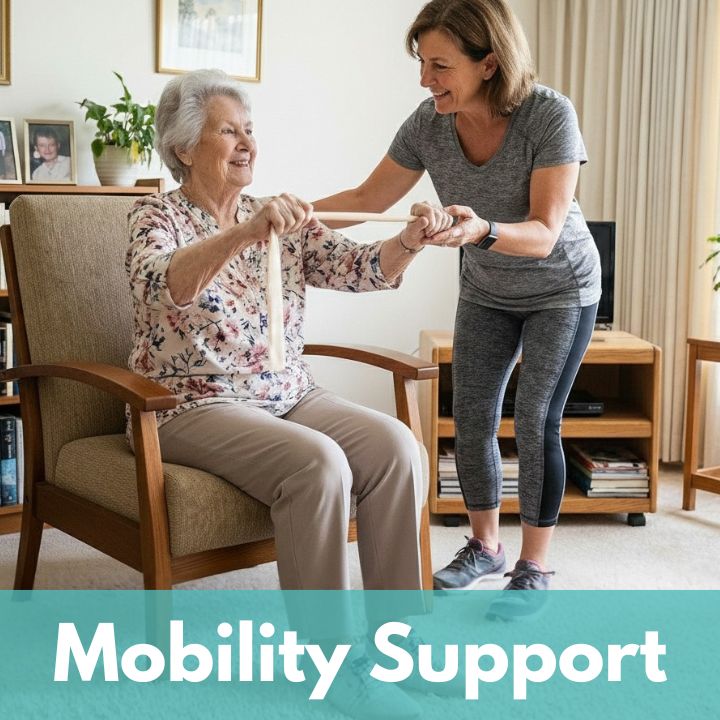
Gentle, regular movement helps maintain stability. That might mean simple chair-based exercises, supervised walking, or specific balance work recommended by a physiotherapist. The right option depends on overall health, mobility and confidence level.
There is a trade-off here. Encouraging movement is important, but pushing too hard after illness, surgery or a hospital stay can increase risk if someone is overtired or unsteady. A measured approach is usually best – enough activity to build strength, with enough support to keep it safe.
Check medication and changes in health
If falls have become more frequent, medication should always be considered. Some medicines can cause dizziness, drowsiness, confusion or drops in blood pressure, particularly when standing up. Others may be safe on their own but harder to manage when combined.
It is also worth paying attention to recent changes that might seem unrelated. Urinary infections, dehydration, poor sleep, pain, low appetite and constipation can all affect steadiness and judgement. In older adults, a sudden increase in unsteadiness is often a sign that something else needs attention.
Families sometimes assume a loved one is simply slowing down with age, when in fact there is a treatable cause behind the change. If you are noticing more near misses, more furniture-grabbing, or greater confusion about steps and thresholds, it is sensible to seek professional advice.
Footwear can help or hinder
Shoes are easy to overlook because they are so familiar, but they make a genuine difference. Slippers without support, worn soles and backless styles can all increase the chance of slipping or tripping.
Well-fitting shoes with a secure back, supportive sole and good grip are usually the safer choice indoors and out. Socks on polished floors can be particularly risky. If swollen feet, pain or changes in shape are making shoes harder to wear, that may need its own assessment.
The same applies to clothing. Trousers that trail underfoot, long dressing gowns and garments that make toileting more awkward can create unnecessary hazards, especially at night when someone is rushing.
The best ways to reduce falls include better daily routines
Falls are not only about the environment. They are also linked to the rhythm of the day. A person who gets up too quickly, skips meals, forgets to drink water or becomes tired by late afternoon may be far less steady than they appear earlier in the day.
Regular meals and drinks help support energy, concentration and blood pressure. Unhurried morning and bedtime routines can reduce the temptation to rush. Keeping frequently used items nearby also means fewer risky trips back and forth.
Toileting deserves special thought. Many falls happen on the way to the loo, especially overnight. A clear route, good lighting and, in some cases, a commode or extra support at key times can make a real difference to both safety and dignity.
Use the right mobility aids – and make sure they are actually used properly
Walking sticks and frames can improve confidence, but only if they are the correct type and height. An unsuitable aid can be just as unhelpful as none at all.
It also takes time for some people to accept support. A loved one may resist using a frame because it feels like a loss of independence, or because they are used to managing alone. Gentle encouragement usually works better than confrontation. When support is introduced in a respectful, practical way, people are often more willing to use it.
If the aid has been borrowed, bought quickly or used for a long time without review, it is worth having it checked. Needs change, especially after illness, injury or a fall.
Confidence, memory and judgement all affect fall risk
Not every fall is caused by poor mobility. For some people, the bigger issue is judgement. Someone living with dementia may forget they need help getting up, misjudge a step, or become disorientated in low light. A person with Parkinson’s may freeze mid-movement. Someone recovering from a stroke may have one-sided weakness or poor spatial awareness.
This is where personalised support matters. General advice is useful, but risk reduction is strongest when it reflects the individual’s routines, habits and condition. Consistent care from someone who knows the person well can help spot patterns early, whether that is increased hesitation on stairs, difficulty transferring from bed, or a new tendency to shuffle.
Why extra support at home can be one of the best ways to reduce falls
Families often try to hold everything together themselves, especially at first. That is understandable. But if you are worried every time your parent showers, goes downstairs, or answers the door alone, extra support may be the safest next step.
Home care can reduce falls in very practical ways. A trained caregiver can assist with washing and dressing, prepare meals, prompt medication, notice changes in mobility and provide steady support with moving around the home. Just as importantly, regular visits create continuity. Small changes are more likely to be noticed when the same familiar person is involved.
For some people, a short daily visit is enough. For others, especially after a hospital discharge or with more complex conditions, more frequent support or live-in care may be appropriate. It depends on the level of risk, the home setup and how much reassurance the person and family need. At Visiting Angels North Yorkshire West, that personalised approach is central because the right match and the right routine can make home feel safer without making it feel less like home.
When to take action sooner rather than later
If someone has already fallen once, it is worth reviewing things straight away. If they have fallen more than once, are increasingly unsteady, or seem frightened of walking alone, it is time for a fuller conversation about support.
Waiting for a serious injury before making changes is rarely the kindest option. Early action can protect confidence, preserve routines and give families peace of mind before a crisis develops. Often, the most meaningful improvements are the simple ones done promptly and with care.
The safest home is not the one with the most equipment. It is the one shaped around the person living there, so they can move through each day with greater ease, confidence and dignity.