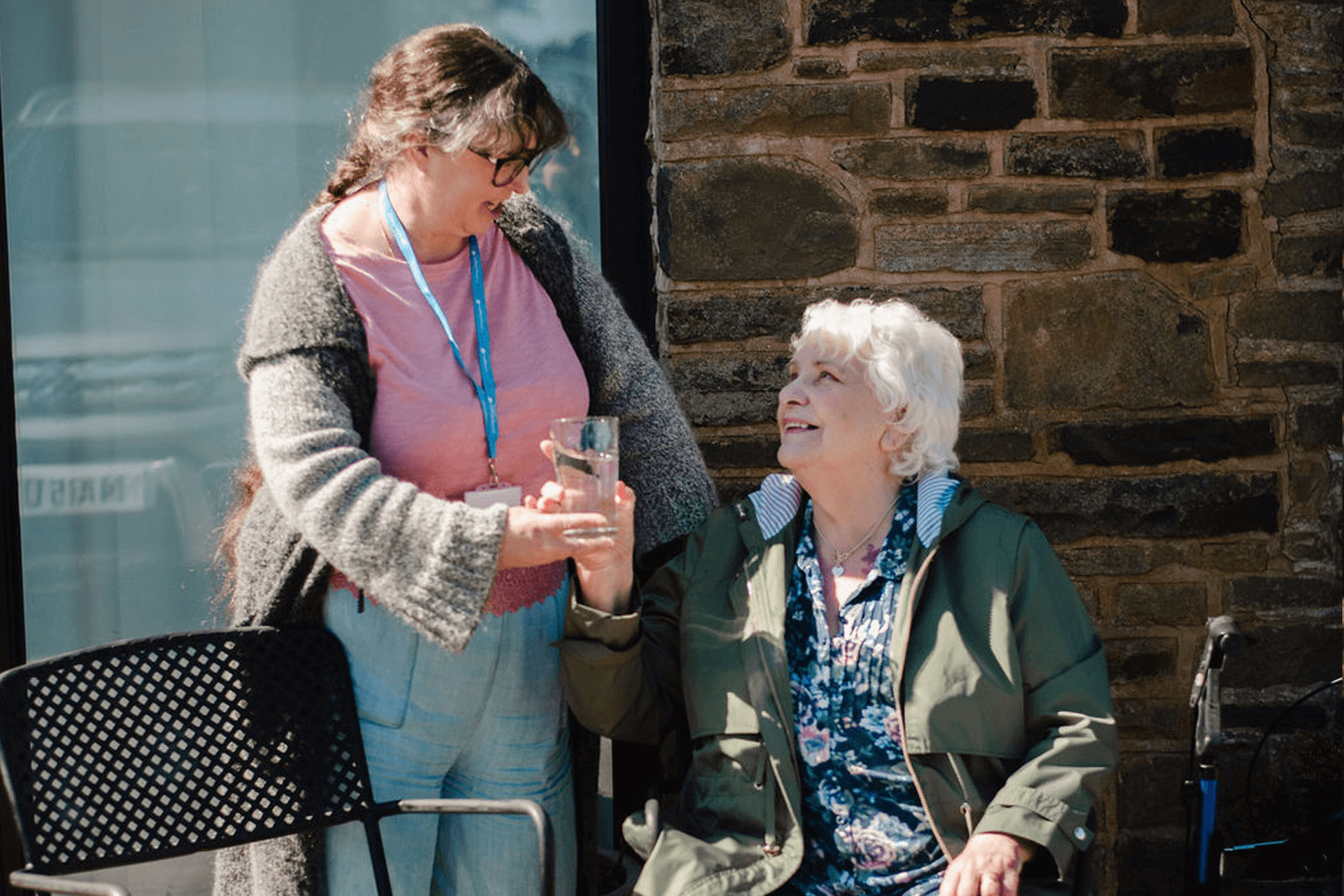

The first few visits often tell a family everything they need to know. If a loved one seems more relaxed, chats more freely, or accepts help without tension, something important is happening. That is exactly how carer matching improves care – not as a nice extra, but as a practical part of helping someone feel safe, understood and comfortable in their own home.
When care is arranged, families are often focused on the essentials. Will Mum get help with meals and medication? Can Dad be supported safely after a stroke? Is there someone reliable who can call in each morning? Those questions matter, of course. But once the practical side is in place, another factor quickly becomes just as important – whether the person providing care is the right fit for the person receiving it.
Why the right match matters so much
Home care is personal. It takes place in someone’s own space, often at a time of life when they may already feel vulnerable, frustrated or anxious about needing support. Even the most experienced carer can struggle to build trust if the relationship does not feel natural.
A thoughtful match can make everyday support feel far less intrusive. Shared interests, a calm communication style, similar values or simply an easy rapport can all help someone accept care with more confidence. For an older person who is proud of their independence, that can be the difference between resisting support and welcoming it.
Families feel the impact too. When you know the same familiar face is coming through the door, and that your loved one genuinely gets on with them, it eases a great deal of worry. You are not just arranging tasks to be completed. You are helping create a stable, respectful relationship that supports emotional wellbeing as well as physical needs.
How carer matching improves care in daily life
Good matching affects the small moments that shape someone’s day. A carer who understands how a person likes their tea, how much conversation they enjoy, or when they prefer quiet can help visits feel reassuring rather than rushed. That kind of familiarity builds naturally when the match is right.
It also supports better communication. Some people like direct, practical conversation. Others need more time, more patience and a gentler pace. For people living with dementia, Parkinson’s or after a stroke, communication style can have a real effect on how calm and confident they feel. A well-matched carer is more likely to pick up on those cues and respond in a way that suits the individual.
This matters for dignity as well. Personal care, medication support or mobility assistance can feel uncomfortable if there is no sense of trust. When there is a genuine connection, people are often more willing to accept help, ask questions and say when something does not feel right. That leads to better care, not just kinder care.
Continuity is part of the picture
Carer matching works best when it is paired with continuity. A strong first match loses some of its value if carers change constantly. Familiarity allows the relationship to deepen and helps the carer notice subtle changes that others might miss.
That might be a reduced appetite, a wobblier walk, a dip in mood or signs that someone is becoming more forgetful. These details are easy to overlook if every visit is handled by a different person. A regular carer is more likely to spot changes early and raise concerns before they become bigger problems.
For families, continuity also means fewer repeated explanations. You do not have to keep retelling the same medical history, routines or preferences. The carer already knows that your mum prefers a wash before breakfast, that your dad gets tired in the late afternoon, or that Wednesdays are better for a short walk than a longer outing.
Matching skills and personality
There is a tendency to think of matching as mainly about personality. Personality matters a great deal, but it is only one part of the process. Good matching also considers practical needs, health conditions and the type of support required.
Someone living with dementia may benefit from a carer who is calm, observant and experienced in reducing distress. A person recovering from a stroke may need support from someone who understands mobility challenges, rehabilitation routines and communication changes. A client with more complex needs may require a carer with specialist training as well as the right personal approach.
That is why proper matching is never guesswork. It should take account of the person’s routine, condition, preferences, temperament and goals. If someone is sociable and enjoys conversation, a warm, chatty carer may be ideal. If they are private and value quiet consistency, a gentler and less talkative approach may suit them better.
When matching is especially important
In truth, matching matters in every care setting, but there are times when it becomes even more significant. The first is when someone is reluctant to accept care at all. Many families in Harrogate, Knaresborough and across North Yorkshire West are not just arranging logistics. They are trying to persuade a proud parent that help at home is not a loss of independence. The right carer can soften that transition.
It also matters greatly when a person is living with memory loss or confusion. Familiarity can reduce anxiety and help daily routines feel more manageable. A known face and a steady manner often bring more reassurance than families expect.
Urgent situations are another example. When care is being arranged quickly after a hospital stay or a sudden decline, there is understandable pressure to get support in place fast. Speed matters, but so does suitability. A rushed start with the wrong fit can lead to cancelled visits, distress or resistance, creating more disruption at an already difficult time.
What families should look for
If you are arranging care for a loved one, it is worth asking not only how care will be delivered, but how carers are chosen. A good provider should want to understand more than the timetable of visits. They should ask about routines, personality, interests, worries, cultural preferences and what helps your relative feel at ease.
You can also ask how continuity is managed, what happens if a match does not feel right, and whether carers are selected with both training and personal compatibility in mind. These are not minor details. They are part of building care that lasts.
Sometimes the first match is not perfect, and that does not always mean anyone has failed. Human relationships are nuanced. It can take a little adjustment to find the right balance, particularly when someone’s needs are changing. What matters is that the provider treats matching as an ongoing part of quality care, not a one-off administrative task.
Care feels different when it is relationship-led
Families often tell us they notice the difference quickly. A loved one who had been withdrawn starts looking forward to visits. Meals are eaten more regularly. Medication prompts are accepted with less reluctance. The atmosphere at home feels calmer.
That is because relationship-led care supports the whole person. It recognises that wellbeing is shaped not only by safety and routine, but by companionship, trust and feeling respected. Tasks still need to be done properly and professionally. Yet when the relationship is right, those tasks sit within something warmer and more human.
For providers such as Visiting Angels North Yorkshire West, careful matching is central to delivering care that feels dignified and dependable. It helps turn support at home into something families can trust and loved ones can genuinely live well with.
Choosing care is rarely just a practical decision. It is an emotional one, tied up with concern, guilt, hope and the desire to do the best for someone you love. The right carer cannot remove all of that, but they can make daily life feel lighter, more settled and more reassuring – and sometimes that changes everything.