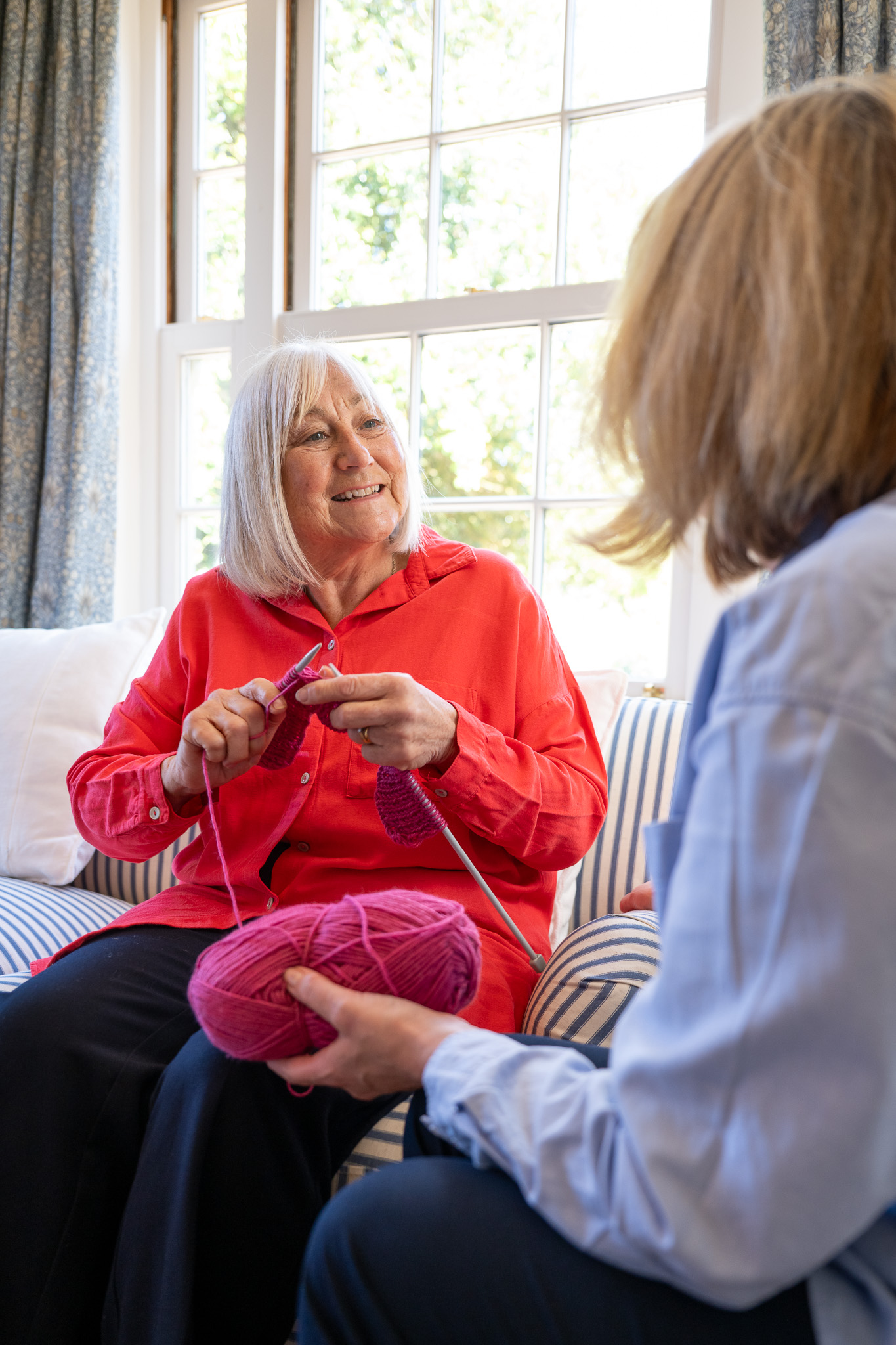

There often comes a point when you realise that Mum or Dad could do with a little extra help at home.
Perhaps the house isn’t being kept quite as it used to be. They may be struggling with shopping, preparing meals or getting out and about. Maybe you’ve noticed changes in their mobility, confidence or personal care. Or perhaps they are simply spending far too much time alone.
Recognising that help may be needed is one thing. Talking to a parent about accepting home care can be much harder.
For someone who has spent their entire adult life looking after themselves and others, the suggestion of receiving care can feel like a loss of independence. That’s why how you approach the conversation matters.
Here are some ways to make that conversation easier, more positive and centred around what your parent wants.
1. Choose the Right Moment
Try not to raise the subject during an argument, immediately after something has gone wrong, or when everyone is already stressed.
Instead, choose a quiet moment when you have time to talk properly.
You might begin with something simple such as:
“I’ve noticed you’re finding the shopping a bit more tiring recently. How are you feeling about it?”
Starting with a conversation rather than announcing a solution gives your parent an opportunity to explain how they feel.
You may discover that they’ve already recognised some of the difficulties themselves.
2. Listen Before Offering Solutions
It’s tempting to arrive with a plan.
You’ve researched local home care, spoken to your siblings and decided exactly what would make life easier.
But your parent may see things very differently.
Before suggesting home care, ask what they’re finding difficult and, equally importantly, what they want to continue doing themselves.
You could ask:
- Is there anything you’re finding harder than you used to?
- Is there anything around the house you’d like some help with?
- Do you still feel confident going shopping or attending appointments?
- Are you getting enough opportunities to see people?
- What would make things easier for you?
Sometimes the most useful thing you can do is listen.
3. Don’t Make the Conversation About Losing Independence
One of the biggest concerns people have about accepting home care is that someone will come into their home and start taking over.
Try turning that idea around.
Good home care should be about maintaining independence, not removing it.
A little support with shopping, meals, household tasks or personal care could allow your parent to continue living safely in their own home for much longer.
Instead of saying:
“You can’t manage on your own anymore.”
Try:
“Would having someone help with a few things make it easier for you to carry on doing the things you enjoy?”
The difference may seem small, but the message is completely different.
4. Start with What Matters to Them
Home care doesn’t have to begin with personal care.
For some people, the first step might simply be having someone visit for companionship.
Perhaps your parent would enjoy someone accompanying them to the shops, helping prepare lunch, going for a walk, visiting a garden centre or simply sitting down for a proper conversation over a cup of tea.
Starting with something they actually want can make accepting support feel much more natural.
As trust develops, the type of help provided can change if their needs change.
5. Give Your Parent Choices
People are much more comfortable accepting help when they remain involved in the decisions.
Where possible, involve your parent in choosing home care:
- What help they would like
- When visits take place
- How often someone visits
- What they would like to continue doing themselves
- The type of caregiver they would feel comfortable with
At Visiting Angels Lincolnshire, we believe the relationship between a client and their caregiver matters enormously. Wherever possible, we match clients and caregivers according to personality, interests and preferences, helping to create a relationship that feels comfortable and natural.
Your parent shouldn’t feel as though care is simply being arranged around them. They should be part of the decision.
6. Explain That Home Care Isn’t Only for People Who Are Very Unwell
This is a common misconception.
Someone doesn’t need to be seriously ill or unable to look after themselves before receiving support at home.
Home care can be as simple as:
- Companionship and conversation
- Shopping together
- Preparing meals
- Light household help
- Attending appointments
- Going out for coffee
- Enjoying hobbies
- Support with medication
- Help with washing and dressing
- Assistance with everyday routines
Sometimes introducing a small amount of support earlier can help someone maintain their confidence and independence.
7. Acknowledge Their Concerns
If your parent says they don’t want a stranger coming into their home, don’t dismiss the concern.
For many people, their home is their most private space. The idea of someone unfamiliar regularly visiting can understandably feel uncomfortable.
Ask what specifically worries them.
Is it privacy? Cost? Losing independence? Not knowing who will visit? Feeling embarrassed about needing help?
Once you understand the concern, you can address the actual problem rather than trying to persuade them that they’re wrong.
Continuity can be particularly important. Seeing a familiar caregiver allows trust and friendship to develop rather than making every visit feel like an appointment with a stranger.
8. Avoid Turning It Into an Argument
If your parent says no, pushing harder may simply make them more resistant.
Unless there’s an immediate safety concern, you don’t necessarily have to resolve everything in one conversation.
Give them time to think.
You can return to the subject another day or suggest simply speaking with a home care provider to understand what support is available.
A conversation doesn’t commit anyone to receiving care.
Sometimes meeting the people involved makes the idea considerably less daunting.
9. Explain How It Can Help the Whole Family
Home care isn’t about replacing family.
In fact, it can allow families to spend more enjoyable time together.
If every visit to Mum or Dad becomes about shopping, cleaning, medication, appointments and household jobs, the relationship can gradually begin to feel more like that of a caregiver than a son or daughter.
Having some professional support can take care of everyday tasks, leaving families with more time simply to be families.
That might mean having lunch together, watching a favourite programme or enjoying an afternoon out without worrying about everything else that needs doing.
10. Consider Starting Small
If your parent remains uncertain, suggest starting with a small amount of support.
A regular companionship visit, help with shopping or a weekly outing can be an easier introduction than immediately arranging extensive care.
It also gives your parent an opportunity to get to know their caregiver and experience what home care is actually like.
They may discover that it feels very different from what they imagined.
What If My Parent Still Refuses Home Care?
This can be difficult, particularly when you can clearly see that some support would help.
If your parent has the capacity to make their own decisions, their wishes should be respected even when you disagree with them.
Continue the conversation without making every visit about care.
You might also suggest speaking with someone outside the immediate family, such as their GP or a home care professional. Sometimes people find it easier to discuss their concerns with someone who isn’t emotionally involved in the situation.
If there are immediate concerns about their safety or ability to make decisions, seek appropriate professional advice.
Signs It May Be Time to Have the Conversation
Every situation is different, but it may be worth discussing home care if you’ve noticed:
- Increasing difficulty with everyday household tasks
- Missed meals or less interest in cooking
- Difficulty washing or dressing
- Reduced mobility
- Missed medication
- Increasing loneliness or isolation
- Less confidence leaving the house
- Unopened post or unpaid bills
- Frequent falls or near misses
- Family members becoming increasingly worried
- A family caregiver becoming exhausted
You don’t necessarily need to wait for a crisis before talking about support.
Finding the Right Home Care in Lincolnshire
If your parent does agree to explore home care, take time to find a provider that feels right for them.
Ask how caregivers are selected, whether visits are rushed, how continuity is managed and how the person receiving care is involved in decisions.
At Visiting Angels Lincolnshire, our approach is centred around relationships.
We provide minimum one-hour visits and aim to provide consistent caregivers wherever possible. Most importantly, support is built around the individual rather than expecting the individual to fit around a service.
Whether someone needs companionship, help around the home or more personal support, the starting point should always be understanding the person.
Frequently Asked Questions
How do I convince an elderly parent to accept help?
Try not to approach it as something you need to convince them to do. Start by listening to their concerns and discussing what would make everyday life easier. Giving them choices and involving them in decisions can make accepting support feel less threatening.
What if my parent says they don’t need home care?
Ask what concerns them about receiving help and listen carefully. Unless there’s an immediate safety issue, give them time rather than turning the discussion into an argument. Starting with companionship or occasional practical help can sometimes be easier to accept.
When should I consider home care for a parent?
It may be worth considering when everyday tasks, personal care, mobility, meals, medication or social interaction are becoming more difficult. Home care can also be useful before significant support is needed, helping someone maintain their independence.
Can home care start with companionship only?
Yes. Companionship can be a gentle introduction to receiving support at home. A caregiver might provide conversation, accompany someone shopping, help with meals or enjoy activities together without providing personal care.
Will home care take away my parent’s independence?
Good home care should do the opposite. The aim is to support people with the things they find difficult so they can continue doing as much as possible for themselves and remain living in their own home.
Start with a Conversation
Talking to a parent about home care isn’t always easy.
Try to remember that what may look like a straightforward solution to you can represent a significant change to them.
Listen to what they want. Give them choices. Take things at their pace and focus on what matters most: helping them continue living the life they want, in the place they know best.
If you’re considering home care for a parent or loved one in Lincolnshire, Visiting Angels Lincolnshire is happy to have an informal conversation about the options available.
Sometimes the first step isn’t arranging care at all.
It’s simply having a conversation.