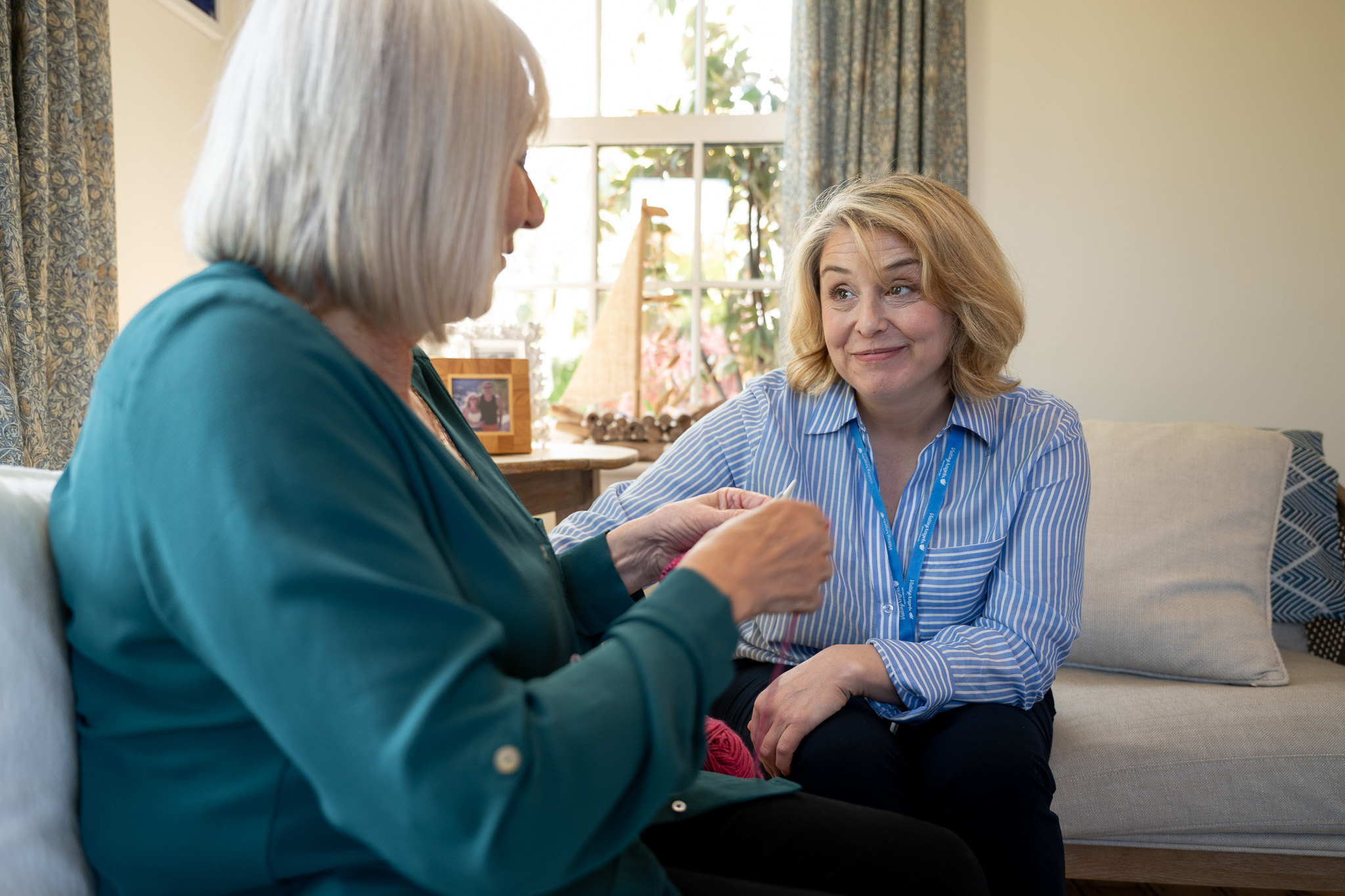

When a loved one begins to need a little extra support, one of the first questions families ask is, “Do they need companionship care or personal care?”
While the two services are often mentioned together, they serve different purposes. Understanding the difference can help you choose the right support, ensuring your loved one receives the care they need while maintaining their independence and quality of life.
At Visiting Angels Lincolnshire, we provide both companionship and personal care, and we’re often asked which service is the best fit. The answer depends entirely on the individual’s needs, preferences and lifestyle.
In this guide, we’ll explain the differences, the benefits of each service and how to decide which option is right for you or your loved one.
What Is Companionship Care?
Companionship care focuses on providing friendship, emotional support and help with everyday activities that don’t involve personal care.
The aim is to reduce loneliness, encourage independence and help older people continue enjoying life in their own home.
A companion may help with:
Friendly conversation and social visits
Going for walks
Visiting cafés or garden centres
Shopping trips
Attending GP or hospital appointments
Playing games or completing puzzles
Reading together
Supporting hobbies and interests
Light household tasks
Preparing light meals
Running everyday errands
Many clients simply enjoy having someone to spend time with, knowing they have a familiar face visiting regularly.
What Is Personal Care?
Personal care involves practical support with daily activities that relate to personal hygiene, health and physical wellbeing.
It is suitable for people who need assistance with tasks they are finding difficult to manage independently.
Personal care may include:
Washing and bathing
Showering
Dressing
Personal hygiene
Toileting support
Medication support
Mobility assistance
Meal preparation
Assistance with eating and drinking
Bedtime and morning routines
Personal care is always delivered with dignity, compassion and respect, allowing individuals to remain comfortable in their own home.
The Main Difference
The simplest way to understand the difference is this:
Companionship care supports emotional wellbeing and independence.
Personal care supports physical wellbeing and daily living.
Someone receiving companionship care may be perfectly capable of washing and dressing themselves but would benefit from regular company and help getting out of the house.
Someone receiving personal care may need assistance with bathing or mobility while also enjoying companionship during each visit.
The two services often work together.
Which Service Is Right for Your Loved One?
Every individual is different, but these examples can help.
Companionship Care May Be Suitable If…
Your loved one:
Lives alone
Feels lonely
Has stopped socialising
No longer drives
Wants company during the day
Needs help with shopping
Would like someone to accompany them to appointments
Needs encouragement to stay active
Would benefit from light household help
Companionship care is ideal for helping people remain socially connected and independent.
Personal Care May Be Suitable If…
Your loved one:
Needs help washing or bathing
Struggles getting dressed
Has reduced mobility
Needs assistance using the bathroom
Requires medication support
Is recovering after an operation
Needs help getting in and out of bed
Finds daily routines becoming difficult
Personal care provides practical assistance while preserving dignity and independence.
Can Someone Receive Both?
Absolutely.
Many of our clients receive a combination of companionship and personal care.
For example, a caregiver may:
Help with a morning wash and dressing
Prepare breakfast
Enjoy a cup of tea and conversation
Go for a short walk
Accompany the client to a local café
Help with light household tasks before leaving
Combining both services provides practical support while ensuring emotional wellbeing is never overlooked.
Why Companionship Is Just as Important as Practical Care
It’s easy to focus on physical needs, but emotional wellbeing is equally important.
Regular companionship can help people:
Feel less isolated
Build confidence
Stay mentally active
Continue enjoying hobbies
Maintain social connections
Feel happier at home
Stay independent for longer
Sometimes, having someone to laugh with, share stories with or simply enjoy a cup of tea with can make a remarkable difference.
Signs Your Loved One May Need More Support
You may notice changes such as:
Spending long periods alone
Losing interest in hobbies
Missing appointments
A less tidy home
Reduced confidence
Difficulty preparing meals
Declining mobility
Forgetfulness
Less frequent contact with friends
Recognising these signs early can help prevent small challenges from becoming bigger concerns.
Why Families Choose Visiting Angels Lincolnshire
Choosing a home care provider is about more than finding someone to visit.
It’s about finding people you can trust.
At Visiting Angels Lincolnshire, we believe care should always be personal.
That’s why we aim to match clients with caregivers based on personality, interests and preferences wherever possible.
Families value our approach because we provide:
Minimum one-hour visits
Consistent caregivers whenever possible
Flexible care tailored to individual needs
Friendly, compassionate caregivers
Support that promotes independence
Care built around relationships rather than rushed schedules
Whether someone needs companionship, personal care or a combination of both, our focus is always on helping them live well at home.
Frequently Asked Questions
Is companionship care cheaper than personal care?
The cost depends on the level of support required and the length of each visit. We are happy to discuss the most suitable and cost-effective option for your individual circumstances.
Can companionship care change into personal care later?
Yes. Many people begin with companionship visits and later introduce personal care if their needs change over time.
Can I arrange companionship for just a few hours each week?
Absolutely. Visits can be arranged from once a week to several times a day, depending on your needs.
Can family members be involved in planning care?
Yes. We work closely with clients and their families to create a care plan that reflects personal preferences, routines and goals.
Choosing the Right Care Starts with a Conversation
Every person is different, which is why there is no one-size-fits-all approach to care.
Some people simply need regular company and encouragement, while others require practical support with everyday tasks. Many benefit from a combination of both.
If you’re unsure which service is right for your loved one, our friendly team is here to help.
We’ll take the time to understand your circumstances, answer your questions and recommend the support that best suits your family’s needs.
Contact Visiting Angels Lincolnshire today to discover how companionship care, personal care or a combination of both can help your loved one continue living safely, confidently and independently at home.