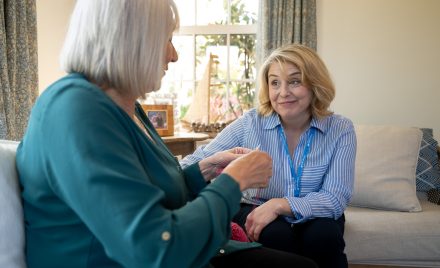
When a parent or relative starts to need more support, most families do not feel prepared. There is rarely a single moment when everything changes. More often, it is a series of small concerns that slowly add up.
Across Lincolnshire, South Nottinghamshire, and Leicestershire families are having these conversations every day. They are asking how to support someone they love, without taking away their independence or sense of home.
This guide is written to answer the questions families tell us they struggle to find clear, honest answers to.
Why Home Care Has Become the First Choice for Many Local Families
For many people, the idea of leaving their home is deeply unsettling. Home is where routines make sense, where neighbours are familiar, and where independence still feels possible.
Home care allows support to be introduced gradually. It can start with companionship or light help and grow over time as needs change. For families in market towns such as Grantham, Bourne, Newark and Melton Mowbray, and in surrounding villages across Lincolnshire and Nottinghamshire, this flexibility is often what makes home care the right option.
How Location Shapes Care Needs More Than People Expect
Care needs are not the same everywhere, even within a relatively small geographic area.
In larger towns, families often seek care following illness, surgery or hospital discharge. Adult children may live further away or juggle work commitments, making regular support difficult.
In rural villages across areas like the Vale of Belvoir or South Lincolnshire, isolation can be the bigger issue. Someone may be physically capable but struggling with loneliness, confidence or limited transport.
Understanding these differences is essential. Good home care should reflect local realities, not rely on a standard approach.
What Families Often Misunderstand About Home Care
One of the most common misconceptions is that home care is only for people who need intensive personal support. In reality, many care arrangements begin much earlier.
Support might include:
Companionship and conversation
Help preparing meals
Medication reminders
Support attending appointments
Gentle encouragement to stay active and engaged
Starting care early can prevent avoidable crises later on and often improves quality of life for everyone involved.
Time and Task Care Versus Relationship Led Care
Not all home care feels the same, and families often only realise this after experiencing it.
Time and task care focuses on completing specific jobs within fixed time slots. Carers may change frequently, and visits can feel rushed.
Relationship led care focuses on people. The same carers visit regularly, time is allowed for conversation, and care fits around routines rather than the clock.
For many families, this approach makes the difference between care being tolerated and care being genuinely valued.
Why Consistency of Carers Matters So Much
Seeing the same carers builds trust. It reduces anxiety and helps people feel safe in their own home. This is particularly important for those living with memory loss or dementia.
In smaller communities and rural areas, consistency also helps care feel like a natural part of everyday life rather than an intrusion.
When Families Usually Begin Looking for Support
Most families say the same thing once care is in place. They wish they had started the conversation sooner.
Signs that support may be helpful include:
Missed meals or changes in eating habits
Forgetting medication
Declining personal hygiene
Reduced confidence outside the home
Increased isolation
Family carers feeling exhausted
Even a small amount of regular support can make a significant difference.
Choosing a Home Care Provider in Lincolnshire, South Nottinghamshire and Leicestershire
When families start comparing providers, it is easy to focus on availability and cost. These matter, but they are not the whole picture.
It is worth asking:
Will carers be consistent
Are visits flexible or rushed
How is care reviewed and adapted
How well does the provider understand the local area
How are families kept informed
Local knowledge often has a direct impact on the quality of care delivered.
A Local Perspective
As a locally operated franchise of Visiting Angels Lincolnshire, we regularly speak with families across Grantham, Newark, Melton Mowbray, Bourne and surrounding villages who are unsure where to begin.
The conversations are rarely about urgency. More often, they are about reassurance, understanding options and planning ahead.
Thinking About Home Care as Part of Everyday Life
Home care works best when it becomes part of normal life rather than a reaction to crisis. Support that adapts gradually allows people to remain at home for longer, with dignity and confidence.
For many families across Lincolnshire and South Nottinghamshire, that continuity brings the greatest peace of mind.
Final Thoughts
Exploring home care does not mean giving up independence. For many people, it is what allows independence to continue.
Taking time to understand what home care really involves, and choosing support that values relationships as much as practical help, can make a meaningful difference to quality of life.
Frequently Asked Questions About Home Care in Grantham
How much does home care in Lincolnshire cost?
The cost of home care depends on the level of support required and how often visits are needed. A personalised care plan ensures families only pay for the care that is genuinely needed.
When is the right time to arrange home care for a parent?
Many families begin exploring home care after a hospital stay, or when they notice changes such as missed meals, increased isolation or reduced confidence. Starting early can prevent bigger issues later on.
Can home care be arranged in rural villages as well as towns?
Yes. Home care can be provided in both towns and rural villages across Lincolnshire and South Nottinghamshire, although local knowledge is important to ensure consistency and reliability.
Is home care a short term or long term solution?
Home care can be short term, such as after illness, or long term support that adapts gradually as needs change.
Is home care an alternative to residential care?
For many people, home care allows them to remain independent and comfortable at home for longer, delaying or avoiding the need for residential care.