
As people grow older, everyday routines can sometimes become more difficult to manage independently. Tasks that once felt simple, such as getting dressed, preparing meals, taking medication, or moving safely around the home, may require some additional support. This is where home care services can make a meaningful difference.
For families considering Home Care Services in Northern Ireland, one of the most common questions is what a typical day with a caregiver actually looks like. The answer depends on the person’s needs, preferences, routine, and level of independence.
Unlike a fixed routine in a residential setting, in home care services can be arranged around the individual. Support can focus on practical tasks, personal care, companionship, or a combination of different needs.
Understanding what happens during a typical day can help families feel more confident when considering care in Belfast or elsewhere in Northern Ireland.
Starting the Day With Personalised Support
A typical day may begin with support with the morning routine. For an older adult who finds certain tasks difficult, having a caregiver nearby can make the start of the day feel safer and less stressful.
Morning support may include:
- Getting out of bed safely
- Washing and dressing
- Personal hygiene
- Preparing breakfast
- Assistance with mobility
- Medication reminders where appropriate
- Helping the person settle into their daily routine
The aim is not to take over everything the person can do themselves. Good Home care should encourage independence wherever possible while providing assistance when it is genuinely needed.
Helping With Breakfast and Daily Nutrition
Preparing meals can become challenging for older adults, particularly when standing for long periods or handling kitchen equipment is difficult.
Home care support may involve preparing breakfast according to the person’s preferences and dietary needs. A caregiver may also encourage regular meals and make sure food and drinks are easily accessible.
For families looking at senior care, this type of everyday assistance can provide reassurance that their loved one is maintaining a comfortable and consistent routine.
Supporting Personal Care and Independence
Personal care is an important part of many private home care services. However, the level of assistance can vary considerably.
Some people may only need occasional support, while others may require more hands-on help with personal hygiene, dressing, or mobility.
A respectful caregiver focuses on maintaining dignity and allowing the individual to remain involved in their own care. Small choices, such as what to wear or when to have a shower, can help older adults maintain a sense of control over their day.
Managing Household Tasks
A person’s home environment can have a significant impact on their comfort and independence. Everyday household tasks may become tiring or difficult with age.
Depending on the agreed care plan, support may include light household activities such as:
- Keeping frequently used areas tidy
- Changing bedding
- Washing dishes
- Doing light laundry
- Preparing simple meals
- Organising everyday items
These tasks are not simply about keeping the house clean. They can help create a safer and more comfortable environment for someone receiving elder care solutions at home.
Supporting Appointments and Daily Activities
A typical day does not always involve staying indoors. Older adults may have appointments, shopping needs, social activities, or other commitments.
Depending on the care arrangement, a caregiver may provide support with planning or attending everyday activities. This can make it easier for an older person to continue participating in their community and maintaining familiar routines.
For families searching for aging and in home services, this flexibility can be particularly valuable because support can focus on the person’s life rather than simply their care requirements.
Providing Companionship Throughout the Day
Care is not only about practical assistance. Loneliness and social isolation can affect an older person’s quality of life, particularly if they live alone.
A caregiver can provide meaningful companionship through conversation, shared activities, reading, hobbies, or simply spending time together.
Sometimes, having someone to talk to during the day can be just as important as help with household tasks. Senior Care in Home should recognise the emotional and social needs of the individual as well as their practical needs.
Supporting Mobility and Safety at Home
Moving around the home can become more difficult as people age. A caregiver can provide appropriate support with everyday movement and help an individual navigate their surroundings safely.
This might involve assistance when getting up from a chair, moving between rooms, or preparing to go outside.
Families considering home care service in Belfast may also value having someone who can notice changes in a person’s usual routine or abilities and communicate concerns appropriately.
Maintaining Hobbies and Familiar Routines
A person’s care needs should not mean that their interests and personality disappear from their daily life.
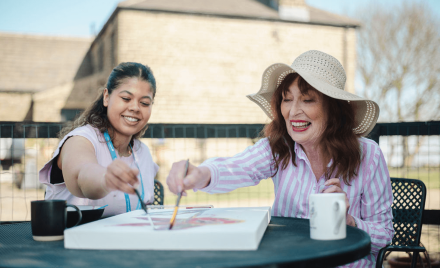
A typical day with in home care services can include time for hobbies and activities that the person enjoys. This might involve gardening, watching a favourite programme, listening to music, reading, doing puzzles, or speaking with friends and family.
Maintaining familiar activities can help make each day feel purposeful and personal rather than centred entirely around care.
Adjusting Support as Needs Change
One of the important differences between home-based support and a highly structured care environment is the ability to adapt care around changing circumstances.
An older adult may need more assistance during one period and less during another. Their mobility, confidence, health needs, or daily routine may change over time.
This is why Home Care Services in Northern Ireland can be particularly useful for families who want a flexible approach. The support can be shaped around the individual’s current circumstances rather than following exactly the same routine every day.
How Visiting Angels Supports a Typical Day With Home Care Services
Visiting Angels understands that every person’s routine is different. Home care should fit around the individual, their preferences, and the way they want to live.
Support can be focused on practical daily activities, personal care, companionship, mobility, or other agreed areas of assistance. The goal is to help older adults remain comfortable and independent in familiar surroundings while giving families greater reassurance.
For someone considering care homes Belfast or other care options, understanding what personalised home support can look like may help them make a more informed decision. Rather than moving away from a familiar environment, some older adults may be able to continue living at home with the right level of assistance.
Final Thoughts
A typical day with home care services is not necessarily the same for every person. One individual may need help with their morning routine and meals, while another may benefit more from companionship, mobility support, or assistance with everyday household activities.
The most effective approach is one that respects the person’s independence while providing support where it is needed. For families exploring private home care services, this flexibility can make home-based care a practical and reassuring option.
Whether someone needs occasional assistance or more regular support, personalised Homecare can help older adults continue enjoying familiar routines and the comfort of their own home.