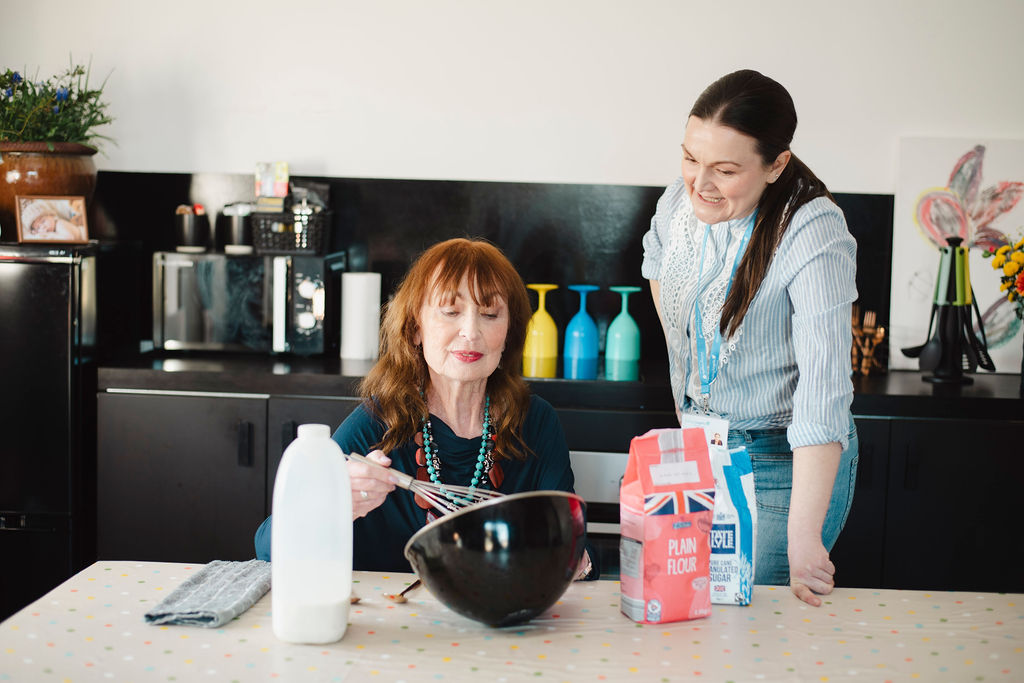

Deciding to introduce home care into a loved one’s life is rarely just a practical decision, it’s an emotional one. For older adults and their families alike, transitioning to home care can bring a mix of feelings: relief, uncertainty, guilt, fear, and hope. Understanding this emotional journey is an important step toward making the transition smoother, healthier, and more positive for everyone involved.
In this article, we explore the emotional stages families often experience when transitioning to home care and how compassion, communication, and the right support can make all the difference.
Understanding Why the Transition Feels Emotional
Home represents independence, identity, and memories. When care becomes necessary, it can feel like a shift away from self-reliance—even if the support is meant to help someone stay at home longer.
Common emotional triggers include:
-
Fear of losing independence
-
Anxiety about change or the unknown
-
Worry about privacy and dignity
-
Guilt felt by family members
-
Sadness about ageing or declining health
Recognising that these emotions are normal helps families approach the transition with patience rather than pressure.
Stage 1: Recognition and Concern
The emotional journey often begins with concern. Families notice small changes—missed meals, reduced mobility, loneliness, or forgetfulness. This stage is usually accompanied by worry and internal conflict.
Family members may think:
- “Am I overreacting?”
- “Is it too early to bring in help?”
- “What if they get upset?”
At the same time, older adults may quietly recognise their own struggles but hesitate to speak up, fearing they’ll worry their family or lose independence.
Stage 2: Resistance and Fear
Once care is discussed, resistance is common especially from the person receiving care. This resistance often comes from fear rather than refusal.
Older adults may fear:
- Being judged
- Losing control over daily routines
- Becoming a burden
- Strangers entering their home
Families may fear:
- Making the “wrong” decision
- Damaging trust or the relationship
- Facing emotional pushback
This stage requires empathy and reassurance. Care should be framed as support, not replacement.
Stage 3: Guilt and Emotional Weight for Families
For family caregivers, guilt is one of the strongest emotions during this transition. Many feel they should be able to “do it all” themselves.
Common feelings include:
- Guilt for not being available enough
- Guilt for prioritising work or family
-
Guilt for feeling exhausted or overwhelmed
It’s important to understand that choosing home care is not giving up, it’s sharing responsibility. Professional support allows families to focus on meaningful time together rather than constant caregiving tasks.
Stage 4: Adjustment and Uncertainty
The early days of home care can feel unfamiliar. Even when care is welcomed, there’s an adjustment period.
Older adults may feel:
- Self-conscious
- Unsure about routines
- Emotionally guarded at first
Families may feel:
- Anxious about how things are going
- Unsure whether their loved one is comfortable
- Overly alert to small changes
This stage is temporary. Consistency, communication, and patience help build trust and comfort over time.
Stage 5: Building Trust and Acceptance
As routines settle, emotional tension often begins to ease. Familiarity builds confidence.
Positive changes may include:
- Improved mood and energy
- Reduced stress for family members
- Stronger sense of safety and reassurance
- Emotional bonds forming with caregivers
At this stage, many older adults realise that care hasn’t taken something away, it has added support, companionship, and peace of mind.
Stage 6: Relief, Confidence, and Emotional Stability
With time, home care often becomes a natural part of daily life. The emotional focus shifts from fear and guilt to relief and confidence.
Families experience:
- Reduced anxiety
- Better balance between caregiving and personal life
- Peace of mind knowing support is in place
Older adults experience:
- Greater confidence at home
- Improved emotional wellbeing
- A sense of being supported, not controlled
This stage reflects the true purpose of home care: enabling a better quality of life for everyone involved.
How Compassionate Care Eases the Emotional Journey
The emotional transition is heavily influenced by how care is introduced and delivered. Compassionate home care makes a significant difference by:
- Respecting routines, preferences, and boundaries
- Encouraging independence wherever possible
- Building consistent, trusting relationships
- Providing companionship as well as practical help
- Communicating openly with families
When care is person-centred, the emotional journey becomes gentler and more empowering.
Tips for Supporting the Emotional Transition
Here are a few ways families can help ease the emotional journey:
- Start conversations early, before a crisis
- Involve your loved one in decisions
- Start small with limited support if needed
- Be patient—adjustment takes time
- Reassure regularly that care can adapt and change
- Acknowledge emotions, even difficult ones
Emotional reassurance is just as important as physical support.
How Visiting Angels Supports This Journey
At Visiting Angels Northern Ireland, we understand that transitioning to home care is not just about services, it’s about emotions, trust, and relationships.
Our approach focuses on:
- Respecting dignity and independence
- Matching care to individual needs and comfort
- Providing consistent, compassionate support
- Supporting families as well as individuals
We help ensure that the transition to home care feels supportive, reassuring, and positive, every step of the way.
Final Thoughts
The emotional journey of transitioning to home care is deeply personal. While it may begin with fear, uncertainty, or guilt, it often leads to relief, confidence, and renewed peace of mind.
With empathy, communication, and the right care in place, home care becomes not a loss—but a pathway to comfort, dignity, and emotional wellbeing at home.
If your family is considering home care, remember: it’s okay to take things one step at a time. Support is not a sign of weakness—it’s a sign of care.