
Maintaining balance is an important part of everyday life. It helps older adults walk comfortably, move around their homes and carry out daily activities with confidence.
However, as people grow older, changes in muscle strength, mobility, vision or other health-related factors can affect their balance. Activities such as getting out of bed, climbing stairs or walking across uneven surfaces may gradually become more difficult.
For families, noticing these changes can be concerning. Poor balance may increase the risk of falls and make older relatives less confident about moving around independently.
Understanding what causes balance difficulties and how to provide appropriate support can help families create a safer and more comfortable environment for their loved ones.
With suitable assistance and practical adjustments, older adults can continue managing many everyday activities while receiving support where it is needed.
1. Understand Why Older Adults May Experience Poor Balance
Balance difficulties can develop for different reasons. Sometimes they are related to changes in physical strength and mobility, while in other cases they may be associated with an underlying health condition or medication.
Some common factors that can affect balance include:
- Reduced muscle strength: Changes in muscle strength can make standing, walking and changing positions more challenging.
- Joint stiffness: Conditions such as arthritis may affect movement and stability.
- Vision difficulties: Reduced vision can make it harder to recognise obstacles and judge distances.
- Inner ear problems: The inner ear plays an important role in balance, and certain conditions can cause dizziness or instability.
- Medication effects: Some medicines may cause dizziness, drowsiness or changes in blood pressure.
- Long-term health conditions: Certain neurological and other medical conditions can affect coordination and movement.
Poor balance should not automatically be considered a normal part of ageing. If an older relative experiences repeated unsteadiness, dizziness or sudden changes in mobility, families should arrange a medical assessment.
2. Recognise the Early Signs of Balance Problems
Older adults do not always directly explain that they are struggling with their balance. Sometimes, families notice small changes in everyday behaviour before their relative mentions any difficulties.
Recognising these signs early can help families understand when additional support may be needed.
Some signs to look out for include:
- Holding furniture or walls while walking.
- Feeling unsteady when standing up.
- Taking shorter or slower steps.
- Avoiding stairs or uneven surfaces.
- Experiencing frequent dizziness.
- Finding it difficult to get out of a chair.
- Becoming nervous about walking outdoors.
- Having previous falls or near-fall incidents.
An older person may also begin avoiding activities they previously enjoyed because they are worried about losing their balance.
Families should take these changes seriously and discuss them with an appropriate healthcare professional.
3. Make the Home Environment Safer
The home environment plays an important role in helping older adults move around safely.
Loose rugs, cluttered walkways, poor lighting and slippery surfaces can make everyday movement more challenging, particularly for someone who already experiences balance difficulties.
Families can review different areas of the home and make practical adjustments.
Consider the following:
- Remove loose rugs and unnecessary objects from walkways.
- Keep frequently used items within easy reach.
- Improve lighting in hallways and stairways.
- Install suitable handrails where recommended.
- Use appropriate non-slip surfaces in bathrooms.
- Keep floors dry and free from obstacles.
- Arrange furniture to create clear walking spaces.
Bathrooms and stairways deserve particular attention because these areas can present additional challenges for someone with reduced balance.
If further adaptations are required, an occupational therapist can assess the home and recommend suitable changes.
4. Encourage Safe Movement and Everyday Activity
When an older adult experiences poor balance, they may become less physically active because they are worried about falling.
However, avoiding movement completely can contribute to reduced strength and confidence over time.
Families should encourage appropriate physical activity based on the individual’s abilities and healthcare advice.
Some activities may include:
- Short walks on suitable, even surfaces.
- Gentle movement exercises recommended by a professional.
- Standing and sitting exercises with appropriate support.
- Activities that encourage regular movement throughout the day.
- Suitable exercises recommended by a physiotherapist.
Balance and strength exercises can be helpful for some older adults, but the activities should be appropriate for their health and mobility.
Families should avoid introducing unfamiliar exercises without professional guidance, particularly if their relative has experienced falls or significant dizziness.
5. Choose Suitable Footwear and Mobility Equipment
Footwear and mobility equipment can make a difference to an older person’s comfort and stability.
Poorly fitting shoes, loose slippers and worn soles may increase the difficulty of walking safely.
Families should encourage their relatives to wear footwear that fits properly and provides suitable grip and support.
Depending on individual requirements, useful considerations include:
- Comfortable, well-fitting shoes.
- Non-slip soles.
- Secure fastening rather than loose footwear.
- Appropriate walking aids recommended by a professional.
- Correctly adjusted walking sticks or frames.
- Regular checks to ensure mobility equipment remains suitable.
A walking aid should be selected and adjusted with appropriate professional advice. Using unsuitable equipment can sometimes create additional difficulties.
The aim is to make everyday movement more manageable while supporting the person’s confidence.
6. Support Older Adults With Everyday Activities
Poor balance can affect more than walking. It may also make household and personal activities difficult.
For example, an older adult may struggle when reaching for items, carrying shopping bags or moving between rooms while completing everyday tasks.
Families can help by identifying activities that have become challenging and arranging practical assistance where needed.
This may include:
- Help with preparing meals.
- Assistance with carrying groceries.
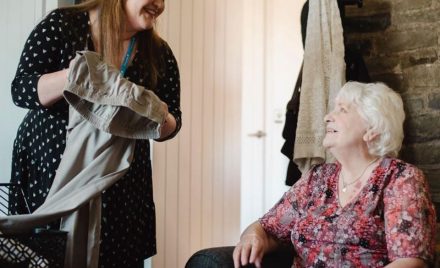
- Support with laundry and household activities.
- Help with bathing and dressing where required.
- Assistance when moving around the home, within the caregiver’s training and agreed responsibilities.
- Keeping frequently used household items easily accessible.
Providing assistance with difficult activities can reduce unnecessary physical strain and help older adults continue managing the tasks they can safely complete themselves.
7. Understand the Importance of Regular Health Checks
Balance difficulties may sometimes be linked to health conditions, medication side effects or changes in physical ability.
For this reason, families should not focus only on making the home safer. Understanding the underlying reason for poor balance is also important.
A healthcare professional may assess factors such as:
- Vision and hearing.
- Blood pressure and dizziness.
- Medication side effects.
- Muscle strength and mobility.
- Walking patterns and coordination.
- Existing medical conditions.
Depending on the assessment, the older person may benefit from advice from a GP, physiotherapist or occupational therapist.
Families should also keep track of falls, dizziness and other noticeable changes so they can share accurate information during medical appointments.
If balance problems develop suddenly, especially alongside weakness, facial drooping, speech difficulties or confusion, seek emergency medical assistance immediately.
8. Help Your Relative Maintain Confidence and Independence
Experiencing poor balance can affect an older person’s confidence. They may become hesitant about walking, visiting friends or participating in activities they previously enjoyed.
Families should offer reassurance while avoiding unnecessary restrictions on everyday movement.
Some practical ways to encourage confidence include:
- Allowing extra time for everyday activities.
- Encouraging safe movement without rushing.
- Keeping familiar household routines.
- Supporting participation in suitable hobbies.
- Helping arrange social visits and outings.
- Respecting personal preferences and abilities.
It is important not to make older adults feel that they are incapable of managing their own lives.
The aim should be to provide the right level of assistance while encouraging them to remain involved in their everyday decisions.
9. When Should Families Consider Additional Home Care Support?
If poor balance begins affecting an older person’s daily routine, families may need to consider additional assistance at home.
Some individuals may only require occasional practical support, while others may benefit from regular visits.
Additional home care support may be worth exploring when an older relative:
- Struggles with household activities.
- Needs assistance with personal care.
- Feels uncomfortable moving around the home alone.
- Has difficulty preparing meals or shopping.
- Has reduced confidence following a fall.
- Needs regular companionship and practical assistance.
The level of support should reflect the person’s individual circumstances and any recommendations from healthcare professionals.
Families should also discuss whether the care provider can accommodate mobility-related requirements within its staff training and agreed responsibilities.
How Visiting Angels Supports Older Adults With Mobility and Balance Difficulties
When an older person experiences poor balance, everyday activities can become more challenging. Families may need additional support to help their loved ones maintain familiar routines while managing activities that require extra assistance.
Visiting Angels provides home care services in Northern Ireland, supporting older adults who wish to continue living in familiar surroundings.
Care arrangements can be discussed around individual needs, preferences and daily requirements.
Depending on the agreed care arrangements, support may include:
- Personal care: Assistance with everyday hygiene and personal routines.
- Household assistance: Help with meal preparation and agreed domestic activities.
- Daily living support: Practical assistance with activities that have become difficult.
- Companionship: Regular conversations and social interaction.
- Personalised care arrangements: Support planned around individual circumstances and preferences.
For families looking for a home care service in Belfast, discussing their relative’s mobility challenges with a care provider can help clarify what assistance may be appropriate.
Caregivers should work within their training and agreed care responsibilities. Clinical assessments, rehabilitation exercises and recommendations for mobility equipment should be handled by the appropriate healthcare professionals.
Final Thoughts
Poor balance can affect an older person’s confidence, mobility and ability to manage everyday activities. However, with suitable support and practical adjustments, many older adults can continue enjoying familiar routines and remaining involved in their daily lives.
Families can help by recognising early signs of balance difficulties, making the home environment safer and encouraging appropriate movement.
It is equally important to seek professional advice when balance problems develop or become more noticeable.
With thoughtful planning and suitable home care services, older adults can receive assistance with everyday activities while maintaining their dignity, confidence and independence.