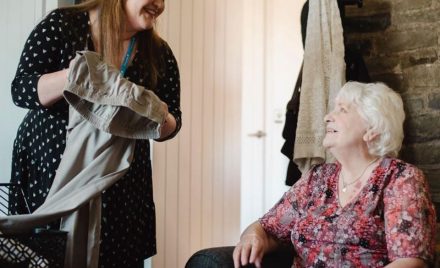
Retirement is an important stage of life. It gives older adults more time to enjoy personal interests, spend time with family and focus on activities they may have previously struggled to fit into their daily routines.
However, as people grow older, some everyday activities can gradually become more challenging. Tasks such as preparing meals, managing household responsibilities, travelling to appointments or maintaining social connections may require additional effort.
For many older adults, maintaining independence means being able to make their own decisions, follow familiar routines and continue living in a place they know and love.
This is where home care can play a helpful role. With suitable assistance, older adults can receive support with specific daily activities while continuing to manage the parts of their lives they can comfortably handle themselves.
Understanding how home care supports independent living can help families explore suitable options for their loved ones.
1. Understanding Independence After Retirement
Independence means different things to different people. For some older adults, it means managing their household without assistance. For others, it means having the freedom to choose their daily activities, maintain friendships and make decisions about their own care.
Retirement can bring changes to everyday routines, but it does not mean that older adults should give up the activities they enjoy.
Some may continue managing most responsibilities independently, while others may gradually need assistance with certain tasks.
Maintaining independence can involve:
- Making personal decisions about everyday routines.
- Continuing favourite hobbies and interests.
- Managing personal care as independently as possible.
- Staying connected with family and friends.
- Participating in local community activities.
- Receiving assistance only where it is needed.
The purpose of suitable home care is to support these abilities rather than take over every aspect of daily life.
2. How Home Care Supports Everyday Activities
As people grow older, certain household and personal activities may become more tiring or difficult to manage.
An older adult may still enjoy cooking but struggle with carrying groceries. Another person may manage personal care independently but find cleaning and laundry physically demanding.
Home care can provide assistance with specific activities so that older adults can continue managing their daily routines more comfortably.
Depending on individual requirements, support may include:
- Help with preparing everyday meals.
- Assistance with light household activities.
- Support with grocery shopping.
- Help with laundry and changing bedding.
- Assistance with agreed personal care routines.
- Support with organising everyday activities.
This practical assistance can reduce the pressure of household responsibilities while allowing older adults to remain involved in their own lives.
3. Maintaining Personal Choice and Daily Routines
Having control over everyday decisions is an important part of independent living.
Older adults may have established routines that they have followed for many years. They may prefer particular meal times, enjoy morning walks or have specific ways of organising their homes.
Receiving home care should not mean giving up these familiar preferences.
A personalised care arrangement can take individual choices into account, including:
- Preferred waking and sleeping times.
- Favourite meals and food preferences.
- Personal hygiene routines.
- Hobbies and recreational activities.
- Cultural and personal traditions.
- Preferred times for social interaction.
Caregivers can provide assistance while encouraging individuals to remain involved in decisions about their daily activities.
This helps older adults maintain a sense of control and familiarity even when they need additional support.
4. Encouraging Social Connections and Companionship
Retirement can change the way people spend their time. Without regular workplace interactions, some older adults may find that their opportunities for everyday social contact become limited.
Maintaining relationships and staying socially active can help older adults feel connected to the people and communities around them.
Home care can support social interaction through companionship and assistance with agreed activities.
This may include:
- Having regular conversations with a caregiver.
- Spending time on favourite hobbies.
- Arranging visits with friends and family.
- Going for walks when appropriate.
- Attending local community activities.
- Taking part in activities that encourage social interaction.
Companionship can be particularly helpful for older adults who live alone or have difficulty getting out of the house independently.
The aim is to make social participation more accessible while respecting the individual’s interests and preferences.
5. Supporting Mobility and Confidence at Home
Being able to move around comfortably is an important part of maintaining independence.
Some older adults may experience changes in balance, strength or mobility as they age. This can make everyday activities such as walking between rooms, using stairs or accessing the bathroom more challenging.
Appropriate home care can provide agreed assistance with everyday mobility and help individuals manage their routines.
Families may also consider practical ways to make the home environment easier to navigate, such as:
- Keeping walkways free from clutter.
- Improving lighting in frequently used areas.
- Installing suitable handrails where recommended.
- Keeping essential items within easy reach.
- Using appropriate mobility equipment.
- Seeking professional advice about home adaptations.
Caregivers can provide support within their agreed responsibilities, helping older adults complete daily activities while maintaining as much independence as possible.
6. Helping Older Adults Maintain Healthy Daily Habits
Maintaining everyday habits can contribute to an older person’s general wellbeing and quality of life.
After retirement, some individuals may find it difficult to maintain regular routines, particularly if their daily responsibilities have changed.
Home care can provide practical assistance with activities that support a more organised lifestyle.
These may include:
- Preparing balanced meals.
- Encouraging regular hydration.
- Supporting consistent mealtimes.
- Helping maintain personal hygiene.
- Encouraging suitable daily activities.
- Providing reminders for agreed everyday routines.
If an older person has specific dietary or healthcare requirements, families should follow guidance from appropriate healthcare professionals.
The aim is to make healthy routines easier to maintain without removing the individual’s ability to make personal choices.
7. Helping Older Adults Continue Enjoying Their Hobbies
Retirement provides an opportunity to spend more time on activities that bring enjoyment and fulfilment.
However, changes in mobility, energy levels or confidence may sometimes make it difficult for older adults to continue certain hobbies.
Home care can help remove some practical barriers by providing assistance with everyday tasks and agreed activities.
For example, an older adult who enjoys gardening may appreciate help with preparing the garden area. Someone who enjoys reading or crafts may benefit from having their favourite materials organised and easily accessible.
Other activities may include:
- Reading books and newspapers.
- Listening to music.
- Gardening and caring for plants.
- Cooking favourite recipes.
- Playing board games or puzzles.
- Taking part in suitable community activities.
Encouraging familiar interests can help older adults maintain enjoyable routines and continue doing things that are meaningful to them.
8. Providing Support Without Taking Away Independence
One of the most important aspects of home care is understanding the difference between helping someone and doing everything for them.
Older adults should be encouraged to complete activities they can manage safely and comfortably.
For example, if someone can dress independently but struggles with certain clothing fastenings, assistance can focus on that particular difficulty.
Similarly, a caregiver may help prepare ingredients while allowing the older person to remain involved in cooking.
This approach can help individuals:
- Maintain existing abilities.
- Continue making everyday decisions.
- Feel involved in their own care.
- Retain confidence in familiar activities.
- Receive support without unnecessary dependence.
Families and caregivers should regularly discuss whether the level of assistance remains appropriate as circumstances change.
9. How Families Can Encourage Independent Living
Family involvement plays an important role in helping older adults maintain independence after retirement.
Rather than assuming that every difficulty requires someone else to take over, families can discuss which activities their relative wants to continue managing and where assistance would be useful.
Some practical ways to encourage independent living include:
- Asking older relatives about their preferences and priorities.
- Respecting their decisions about everyday routines.
- Encouraging participation in favourite activities.
- Making the home environment easier to navigate.
- Maintaining regular social contact.
- Exploring suitable home care services when additional assistance is needed.
- Reviewing care arrangements as requirements change.
It is also important to involve older adults in discussions about their care wherever possible.
When individuals feel heard and respected, they can remain more actively involved in decisions that affect their everyday lives.
How Visiting Angels Supports Independent Living for Older Adults
Maintaining independence after retirement does not mean managing every activity without assistance. Sometimes, having the right support with everyday tasks can make it easier to continue living comfortably at home.
Visiting Angels provides home care services in Northern Ireland, supporting older adults who wish to remain in familiar surroundings while receiving assistance suited to their individual requirements.
Depending on the agreed care arrangements, support may include:
- Personal care: Assistance with everyday hygiene and personal routines.
- Household support: Help with meal preparation and agreed domestic activities.
- Companionship: Regular conversations and meaningful social interaction.
- Daily living assistance: Support with activities that have become more challenging.
- Personalised care: Arrangements that reflect individual routines, preferences and needs.
For families looking for a home care service in Belfast, discussing their relative’s daily requirements with a care provider can help identify suitable support.
With an individual approach to care, older adults can receive practical assistance while remaining involved in their everyday decisions and activities.
Final Thoughts
Retirement should provide older adults with opportunities to enjoy their time, maintain relationships and continue doing the things that matter to them.
Although some everyday activities may become more challenging with age, needing assistance does not mean losing independence.
Suitable home care can help older adults manage household responsibilities, maintain familiar routines, stay socially connected and continue enjoying their interests.
The most important thing is to provide the right level of support while respecting individual choices, abilities and preferences.
With thoughtful planning and appropriate home care services, older adults can continue enjoying independent living while receiving assistance whenever they need it.