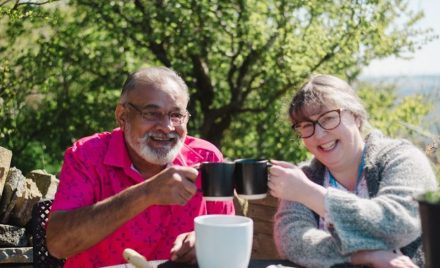
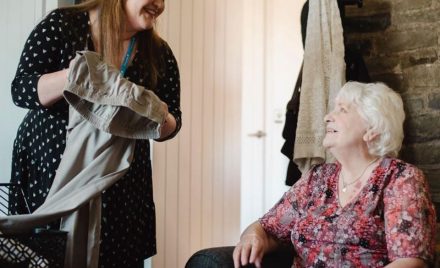
Growing older does not mean giving up the hobbies and activities that bring enjoyment to everyday life. Whether someone enjoys gardening, reading, cooking, painting, listening to music, or spending time with friends, these interests can remain an important part of their routine.
However, changes in mobility, energy, confidence, or health can sometimes make favourite activities more difficult to continue independently. This is where Home care can provide valuable support.
Rather than focusing only on essential daily tasks, personalised care can help older adults continue enjoying the activities that give their days meaning and purpose.
For families considering Home Care Services in Northern Ireland, understanding how care can support hobbies can help them see home-based care as more than practical assistance. It can also be about helping an older person maintain their interests, routines, confidence, and sense of independence.
Why Hobbies Matter as People Age
Hobbies can provide much more than entertainment.
Regular activities can give structure to the day, encourage creativity, provide opportunities for social interaction, and help people stay connected with interests they have enjoyed for many years.
For example, someone who has always enjoyed gardening may feel a strong sense of satisfaction from caring for plants. Someone who loves reading may look forward to spending quiet time with a favourite book.
These familiar activities can contribute to emotional wellbeing and help maintain a sense of identity.
This is why senior care should consider the person’s interests and lifestyle alongside their practical care needs.
Supporting Gardening and Outdoor Activities
Gardening is a popular hobby among many older adults, but physical tasks such as bending, lifting, carrying equipment, or standing for long periods can become more difficult.
A caregiver may provide appropriate practical support that allows an individual to remain involved in gardening.
For example, a caregiver could help prepare gardening equipment or assist with tasks that the individual finds physically demanding, while allowing them to continue choosing what they want to plant and how they want to maintain their garden.
This type of assistance can help an older person continue enjoying an activity that is both familiar and meaningful.
Helping Older Adults Continue Reading
Reading can be an enjoyable and relaxing way to spend time at home.
However, an older person may sometimes need assistance accessing books, organising their reading space, or visiting a library or bookshop.
A caregiver can provide practical support where appropriate while allowing the individual to continue choosing what they want to read.
For families considering in home care services, this is an example of how small amounts of support can help preserve familiar hobbies.
Supporting Creative Hobbies
Creative activities such as painting, drawing, knitting, sewing, crafts, or photography can provide opportunities for self-expression.
Some older adults may find certain materials or equipment difficult to handle because of reduced mobility or dexterity.
With appropriate Home care, a caregiver can help organise materials or prepare a comfortable space for the activity.
The individual can remain in control of the creative process while receiving assistance with the practical aspects that have become more challenging.
Keeping Music Part of Everyday Life
Music can be an important part of an individual’s routine and can bring back familiar memories.
Older adults may enjoy listening to favourite artists, playing an instrument, singing, or attending musical activities.
A caregiver can provide companionship while someone listens to music or help them participate in suitable activities outside the home.
For people receiving private home care services, maintaining familiar interests such as music can make daily routines feel more enjoyable and personal.
Helping With Cooking and Baking
Cooking and baking can be both hobbies and important parts of everyday life.
An older adult may still enjoy choosing recipes, preparing ingredients, or baking favourite foods but struggle with physically demanding parts of the process.
A caregiver can provide practical support where appropriate, allowing the individual to remain involved.
This could include helping organise ingredients, preparing the kitchen, or assisting with tasks that have become difficult.
Maintaining these familiar activities can help preserve independence and confidence.
Supporting Social Hobbies
Some hobbies naturally involve spending time with other people.
Older adults may enjoy meeting friends, attending community groups, playing games, joining clubs, or taking part in local activities.
Changes in mobility or confidence can sometimes make these activities harder to continue.
Depending on the agreed care arrangement, a caregiver may provide practical support that makes participation easier.
For families looking for care in Belfast, this type of support can help older adults remain connected to their existing social interests.
Helping Older Adults Stay Connected With Family
Family activities can also become an important part of an older person’s routine.
A caregiver can provide practical assistance that helps someone prepare for family visits, participate in activities, or maintain regular contact with loved ones.
This could be particularly valuable for someone who wants to remain socially active but needs additional assistance with mobility or daily preparation.
Aging and in home services can therefore support not only practical needs but also the relationships and activities that matter to the individual.
Encouraging Independence Through Hobbies
Homecare should not mean taking over everything an older person enjoys doing.
The aim should be to provide assistance where it is needed while allowing the individual to remain involved in their hobbies.
For example, someone who enjoys gardening may still choose the plants, while receiving help with heavier tasks. Someone who enjoys cooking may continue selecting recipes while receiving assistance with preparation.
This approach allows elder care solutions to support independence rather than replace it.
Adapting Support Around Individual Interests
Every older adult has different interests and abilities.
One person may enjoy outdoor activities, while another may prefer quiet hobbies at home. Someone may have several hobbies they want to maintain, while another person may be discovering new interests later in life.
Personalised Home Care Services in Northern Ireland can be arranged around these differences.
Rather than expecting every individual to follow the same routine, care can take their personality, preferences, interests, and abilities into consideration.
How Visiting Angels Supports Personalised Homecare
Visiting Angels understands that quality care involves more than helping with essential daily tasks.
Personalised Home care can support older adults in maintaining meaningful routines, hobbies, social connections, and everyday activities while remaining in familiar surroundings.
For families considering a home care service in Belfast, support can be tailored around the individual’s lifestyle and agreed care needs.
Whether someone enjoys gardening, reading, cooking, music, crafts, or spending time with family and friends, the right support can help them continue participating in the activities that make everyday life meaningful.
Final Thoughts
Favourite hobbies can remain an important part of life as people grow older. They can provide enjoyment, purpose, creativity, routine, and opportunities to stay socially connected.
Home care can help older adults continue enjoying these activities by providing practical assistance where it is needed while respecting their independence and personal choices.
For families exploring private home care services, personalised support can provide a way for an older loved one to remain at home without giving up the hobbies and routines that matter to them.
With the right Home Care Services in Northern Ireland, growing older does not have to mean leaving favourite activities behind. Instead, appropriate support can help older adults continue living a fulfilling and meaningful life at home.