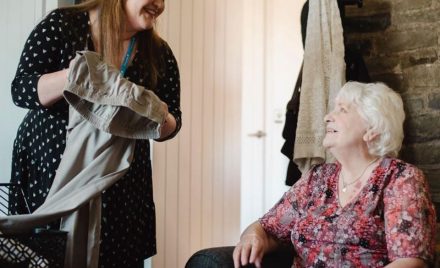

As people grow older, some everyday activities can become more difficult to manage independently. Tasks that once felt simple, such as getting dressed, preparing meals, shopping, or keeping the home organised, may require additional support.
This is where In Home Care Services can make a meaningful difference. Instead of requiring an older adult to move away from familiar surroundings, home-based care can provide practical assistance while allowing them to continue living in the place they know and love.
For families exploring Home Care Services in Northern Ireland, understanding what daily activities caregivers can support is an important part of deciding whether home care is suitable for their loved one.
The type and level of assistance can vary depending on individual needs, preferences, and the agreed care plan. From personal routines and meal preparation to companionship and mobility support, care can be designed around everyday life.
In this article, we explore some of the daily activities that In Home Care Services can help with and how personalised support can make everyday living more comfortable.
Starting the Day With Support
For some older adults, mornings can be one of the most challenging parts of the day.
Getting out of bed, washing, dressing, preparing breakfast, and getting ready for the day may require additional assistance.
Depending on individual needs, caregivers may provide support with:
- Getting up safely
- Washing and personal hygiene
- Dressing
- Preparing breakfast
- Mobility around the home
- Organising the morning routine
A supportive morning routine can help an older person begin their day with greater confidence while maintaining as much independence as possible.
For families looking for a home care service in Belfast, this type of personalised assistance can be arranged around the individual’s existing routine.
Personal Care and Hygiene
Personal care is an important part of many In Home Care Services.
As people age, tasks such as bathing, dressing, grooming, and maintaining personal hygiene can sometimes become more difficult. Receiving appropriate support can help individuals maintain dignity and comfort without taking away their personal choices.
Caregivers can provide assistance based on the level of support required, allowing the individual to remain involved in their own routine wherever possible.
This person-centred approach is an important part of quality seniors care.
Meal Preparation and Mealtimes
Preparing meals can involve several different tasks, including planning, shopping, preparing ingredients, cooking, and cleaning afterwards.
For an older adult with reduced mobility or limited energy, these activities can become tiring.
Home care may provide practical support with meal preparation and help individuals maintain familiar eating routines.
Caregivers can work around established preferences and routines, helping make mealtimes more manageable and enjoyable.
Families considering private home care services may find this type of everyday assistance particularly useful when their loved one wants to remain at home but needs some additional support.
Light Household Tasks
Maintaining a comfortable home can become harder when household tasks require physical effort.
Depending on the agreed care plan, caregivers may assist with appropriate light household activities such as:
- Tidying frequently used areas
- Washing dishes
- Changing bedding
- Light laundry
- Organising everyday items
- Keeping living spaces comfortable
The purpose of this support is not to take complete control of the household. Instead, it can help an older adult manage tasks that have become more difficult while continuing to participate where they can.
This can form part of wider elder care solutions designed around the individual’s lifestyle.
Shopping and Everyday Errands
Shopping can become challenging when carrying bags, travelling to shops, or walking for longer periods becomes difficult.
Depending on the care arrangement, a caregiver may provide practical assistance with everyday shopping and errands.
This can help ensure that essential food and household items are available while reducing some of the physical demands associated with shopping.
For people researching aging and in home services, this practical support can be an important consideration.
Mobility Around the Home
Moving safely around the home can become more difficult for some older adults.
Caregivers may provide appropriate support with everyday mobility, such as moving between rooms or getting ready to leave the house.
The aim is to help individuals remain involved in their daily routines while providing assistance where it is needed.
Families considering care in Belfast may find mobility support particularly useful when an older person is becoming less confident with everyday movement.
Attending Appointments and Activities
Daily life is not limited to activities inside the home.
Older adults may have medical appointments, social commitments, shopping trips, family visits, or community activities that remain important to them.
Depending on the agreed service, caregivers can provide appropriate practical support around these activities.
Maintaining these connections can help individuals continue participating in the routines and relationships that are meaningful to them.
Companionship and Conversation
Home care is not only about completing practical tasks.
For older adults who spend significant periods of time alone, regular companionship can provide an important source of social interaction.
A caregiver may spend time talking with the individual, enjoying a hobby together, reading, listening to music, or simply providing company.
This can help make everyday life feel more connected and purposeful.
For families considering Senior Care in Home, companionship can be an important part of supporting emotional wellbeing alongside practical care.
Supporting Hobbies and Interests
Growing older should not mean giving up the activities someone enjoys.
A caregiver can provide appropriate support that makes it easier for an older adult to continue enjoying their interests.
These may include:
- Gardening
- Reading
- Puzzles
- Arts and crafts
- Cooking
- Listening to music
- Watching favourite programmes
- Spending time with friends and family
Maintaining hobbies can give structure to the day and help individuals continue expressing their personality and interests.
Medication Reminders
Some older adults may have difficulty remembering when to take prescribed medication.
Where included within the care plan and appropriate to the service, caregivers may provide medication reminders.
This type of support can help individuals maintain their established routines while remaining at home.
Families should always ensure that medication-related responsibilities are clearly understood and handled according to appropriate professional guidance.
Flexible Support for Different Needs
Every person’s care requirements are different. Some individuals may only need a few hours of assistance each week, while others may require more regular support throughout the day.
This flexibility is one of the key benefits of Home care.
Support can be focused on the activities where assistance is genuinely needed while allowing the individual to continue managing the areas they can comfortably handle themselves.
As circumstances change, care arrangements can also be reviewed to ensure they continue to reflect the person’s needs.
How Visiting Angels Supports Daily Activities at Home
Visiting Angels understands that everyday activities can be an important part of maintaining independence and quality of life.
Personalised Home Care Services in Northern Ireland can provide support around individual routines, including personal care, companionship, meal preparation, mobility, household activities, and other agreed areas of assistance.
For families considering a home care center or alternative care arrangements, personalised support at home can provide an option that allows an older adult to remain in familiar surroundings.
The focus is on understanding the individual, respecting their preferences, and providing appropriate assistance while encouraging independence wherever possible.
Final Thoughts
Everyday activities may seem simple, but they can become increasingly challenging as people grow older. In Home Care Services can provide practical assistance with personal routines, meals, household tasks, shopping, mobility, companionship, hobbies, and other daily activities.
For families exploring Home Care Services in Northern Ireland, personalised support can provide reassurance while helping an older loved one continue living comfortably at home.
Whether someone needs occasional assistance or more regular care, the right approach should focus on their individual needs, preferences, dignity, and independence.
With appropriate private home care services, older adults can receive support with everyday activities without losing the familiarity and comfort of the home they know best.