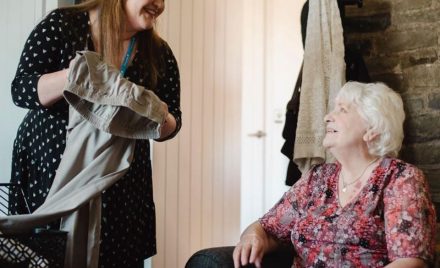
As people grow older, maintaining meaningful social connections becomes just as important as looking after physical health. Spending time with family, friends, neighbours, and the local community helps older adults feel valued, supported, and emotionally fulfilled. However, life changes such as retirement, the loss of a spouse, reduced mobility, or ongoing health conditions can make regular social interaction more difficult.
While enjoying time alone is completely normal, prolonged social isolation can have a serious impact on mental, emotional, and physical wellbeing. Unfortunately, loneliness often develops gradually, making it difficult for family members to recognise the warning signs until an individual has become withdrawn.
Professional home care services in Northern Ireland provide more than practical assistance they offer meaningful companionship that helps older adults remain socially connected while continuing to live independently.
In this article, we’ll explore how to recognise the signs of social isolation in older adults, why social connection is essential for healthy ageing, and how a trusted home care service in Belfast can help reduce loneliness through personalised companionship and support.
Understanding Social Isolation
Social isolation occurs when a person has limited contact with others and few opportunities for meaningful social interaction. Although it is closely linked to loneliness, the two are not the same. Someone may see people regularly yet still feel lonely, while another person who lives alone may feel socially fulfilled because they maintain strong relationships.
Older adults may become socially isolated for many reasons, including:
- Retirement
- Loss of a partner or close friends
- Children moving away
- Reduced mobility
- Hearing or vision loss
- Long-term health conditions
- Lack of transport
- Reduced confidence in leaving home
Recognising these contributing factors is the first step towards providing the right support.
Common Signs of Social Isolation
Social isolation often develops slowly, making it difficult to notice at first. Many older adults continue managing daily life while quietly experiencing loneliness.
Some common warning signs include:
- Losing interest in favourite hobbies
- Declining invitations from family and friends
- Spending long periods without social interaction
- Feeling anxious or withdrawn
- Reduced confidence when leaving the house
- Neglecting personal care
- Sleeping more than usual
- Poor appetite or skipping meals
- Becoming quieter during conversations
Recognising these changes early allows families to provide support before isolation begins affecting emotional and physical wellbeing.
Why Social Connection Matters
Humans naturally thrive through meaningful relationships. Regular conversations, shared experiences, and emotional support all contribute to better mental health and overall happiness.
For older adults, staying socially connected offers many benefits, including:
- Improved emotional wellbeing
- Greater self-confidence
- Better cognitive stimulation
- Reduced stress and anxiety
- Increased motivation
- A stronger sense of belonging
Regular social interaction also encourages people to remain active and engaged with the world around them, helping improve overall quality of life.
Encouraging Meaningful Conversation
Sometimes, the simplest conversations have the greatest impact.
Talking about family memories, discussing current events, sharing stories, or enjoying a cup of tea together helps older adults feel heard, respected, and appreciated.
Professional caregivers take the time to build genuine relationships rather than simply completing practical tasks. Friendly conversations become an important source of emotional support and often give individuals something to look forward to throughout the week.
Even short visits can brighten someone’s day and reduce feelings of loneliness.
Helping Older Adults Stay Active
Remaining physically active often creates valuable opportunities for social interaction.
Activities such as:
- Gentle walks
- Gardening
- Visiting local cafés
- Shopping trips
- Community events
- Exercise classes
- Visiting local parks
all encourage older adults to leave the house while supporting both physical and emotional wellbeing.
Many individuals become isolated simply because getting out has become more difficult. Having someone available to accompany them provides reassurance, making outings feel safer and more enjoyable.
Supporting Favourite Hobbies
Continuing familiar hobbies provides enjoyment, purpose, and valuable mental stimulation.
Activities might include:
- Reading
- Knitting
- Gardening
- Baking
- Painting
- Birdwatching
- Listening to music
- Completing puzzles
- Arts and crafts
Family members and caregivers can encourage participation by adapting hobbies to suit changing abilities.
Sharing these activities together also creates meaningful opportunities for conversation and companionship while helping older adults maintain a sense of identity and independence.
Staying Connected to the Community
Being involved in the local community helps older adults maintain confidence and a sense of belonging.
Community centres, churches, volunteer groups, exercise classes, and local social clubs provide valuable opportunities to meet others and build friendships.
Professional caregivers can assist by:
- Arranging transport
- Accompanying individuals to activities
- Providing encouragement
- Helping build confidence to participate
Even occasional community involvement can significantly reduce feelings of isolation while improving emotional wellbeing.
Building Trusted Relationships Through Home Care
Companionship is one of the most valuable aspects of personalised home care.
Over time, caregivers develop trusted relationships by learning about an individual’s personality, interests, routines, and preferences.
Whether enjoying lunch together, watching a favourite television programme, reminiscing about family memories, or simply chatting over tea, these moments help create genuine human connection.
Feeling understood and cared for can greatly improve emotional wellbeing while reducing loneliness.
Supporting Families
Families naturally want to help ageing loved ones stay socially connected, but balancing caregiving with work, children, and other responsibilities is not always easy.
Professional home care services in Northern Ireland complement family support by providing regular companionship throughout the week.
Knowing someone is visiting regularly offers reassurance that emotional wellbeing is being supported while allowing family members to focus on spending quality time together instead of worrying about loneliness.
This partnership creates a stronger support network for everyone involved.
How Personalised Home Care Reduces Social Isolation
Personalised home care supports much more than physical health.
Alongside assistance with everyday activities, caregivers help older adults:
- Maintain daily routines
- Enjoy meaningful conversations
- Continue favourite hobbies
- Attend appointments and outings
- Stay connected with family and friends
- Participate in community activities
- Build confidence and independence
Every care plan is designed around the individual’s personality, lifestyle, and interests, ensuring companionship feels natural and enjoyable rather than routine.
This personalised approach helps individuals continue living independently while remaining emotionally supported.
How Visiting Angels Northern Ireland Can Help
At Visiting Angels Northern Ireland, we believe exceptional care is about more than practical assistance. Emotional wellbeing, companionship, and meaningful relationships are equally important in helping older adults enjoy fulfilling lives.
Our compassionate caregivers provide personalised home care services in Northern Ireland, taking the time to understand each client’s interests, routines, and personality before creating a care plan that truly reflects their needs.
Whether someone requires companionship, personal care, support with outings, or assistance with daily activities, our team focuses on promoting confidence, dignity, and independence.
If you are searching for a trusted home care service in Belfast or anywhere across Northern Ireland, Visiting Angels is committed to helping older adults remain socially connected while continuing to enjoy life in the comfort of their own home.
Final Thoughts
Social isolation should never be accepted as a normal part of ageing. Recognising the warning signs early, encouraging meaningful conversations, supporting favourite activities, and maintaining strong community connections can greatly improve emotional wellbeing.
Professional home care services in Northern Ireland help older adults remain socially connected through compassionate companionship and personalised support. By building trusted relationships and encouraging independence, home care enables individuals to enjoy a happier, healthier, and more fulfilling life.
At Visiting Angels Northern Ireland, we proudly provide a compassionate home care service in Belfast and across Northern Ireland, helping older adults stay connected, confident, and independent while living safely and comfortably in the place they know and love.