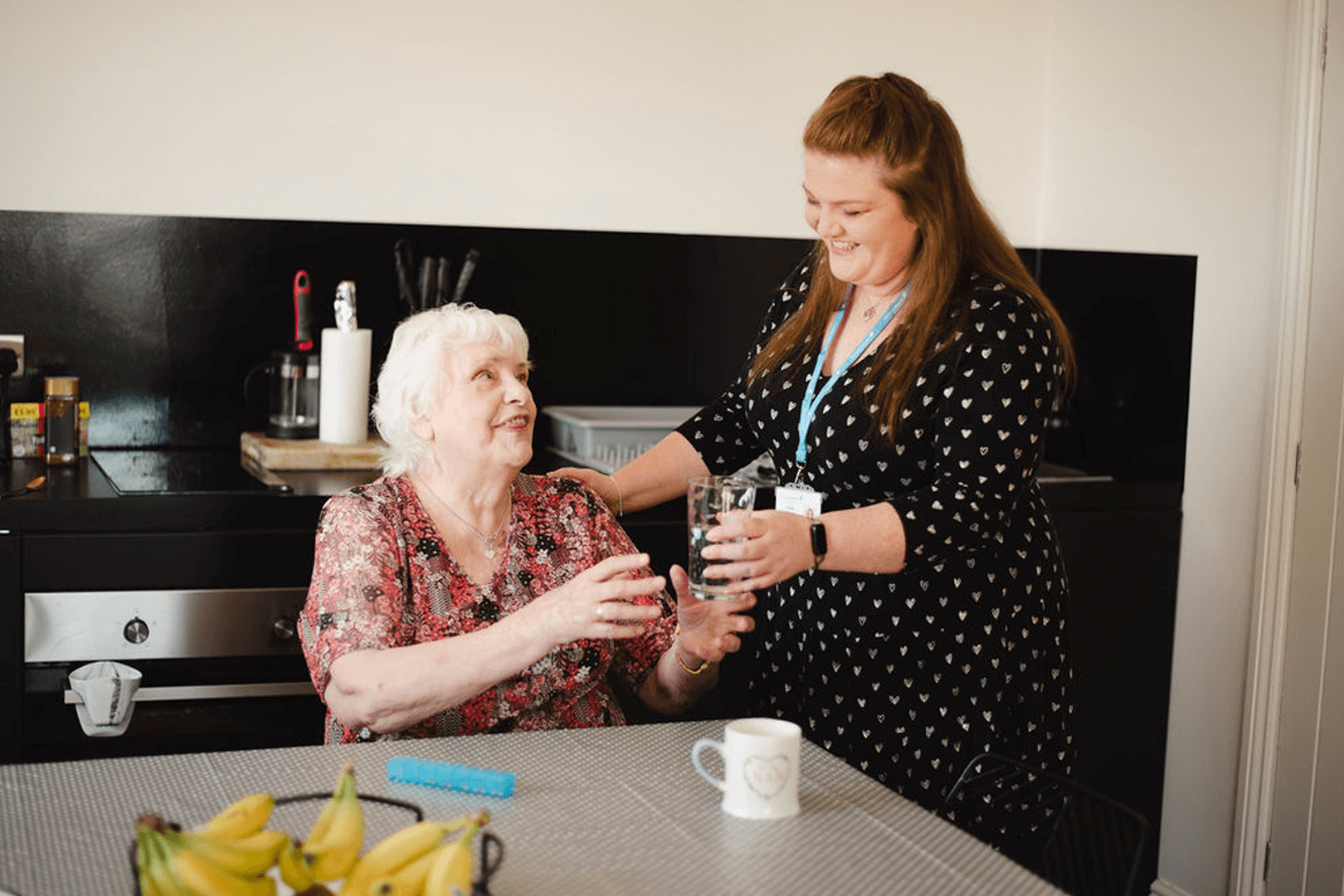

Living with memory loss presents unique challenges that can affect nearly every aspect of everyday life. Tasks that once seemed simple, such as preparing meals, remembering appointments, taking medication, or following a daily routine, may gradually become more difficult. While these changes can be frustrating for the individual, they can also leave family members wondering how to provide the right support while preserving their loved one’s independence.
One of the most effective ways to support someone living with memory loss is by creating a consistent daily routine. Familiar routines provide structure, reduce confusion, and offer a reassuring sense of stability. Combined with professional home care services in Northern Ireland, a structured routine can help individuals maintain their independence, improve emotional wellbeing, and continue living comfortably in familiar surroundings.
In this article, we’ll explore how establishing daily routines can help people living with memory loss, practical ways to support independence at home, and how a trusted home care service in Belfast can provide personalised care that enhances safety, confidence, and quality of life.
Why Daily Routines Matter
People living with memory loss often find comfort in familiarity. As memory becomes less reliable, predictable routines reduce uncertainty and help individuals feel more secure.
Following a consistent schedule each day means there is less pressure to remember what comes next. Familiar activities such as waking up at the same time, eating regular meals, or enjoying favourite hobbies become comforting habits that support confidence and emotional wellbeing.
Rather than creating rigid timetables, daily routines should provide gentle structure while allowing enough flexibility to accommodate individual needs and preferences.
Starting the Day with Confidence
A calm and organised morning often sets a positive tone for the rest of the day. Too many decisions or rushing through tasks can increase confusion and anxiety, so keeping mornings simple is beneficial.
A typical morning routine may include:
- Waking up at the same time
- Washing and getting dressed
- Enjoying breakfast
- Taking medication
- Reading the newspaper
- Listening to favourite music
Professional caregivers gently guide individuals through these activities while encouraging them to remain as independent as possible. Offering reassurance and allowing extra time helps create a relaxed start without unnecessary pressure.
Supporting Personal Care with Dignity
As memory loss progresses, personal hygiene can become more challenging. Someone may forget whether they have showered, struggle with the sequence of getting dressed, or feel uncomfortable accepting help.
Compassionate caregivers provide respectful assistance with:
- Bathing
- Grooming
- Dressing
- Oral hygiene
- Toileting
- Hair care
The focus is always on preserving dignity and independence. Rather than completing every task themselves, caregivers encourage participation wherever possible, helping individuals maintain confidence while receiving the support they need.
Establishing Healthy Eating Habits
Good nutrition plays an important role in supporting both physical health and cognitive wellbeing. However, memory loss can make meal preparation difficult, and some individuals may forget to eat or drink regularly.
Creating consistent meal times provides structure throughout the day while reducing uncertainty.
Professional caregivers can assist with:
- Meal planning
- Grocery shopping
- Food preparation
- Hydration reminders
- Encouraging balanced nutrition
Preparing familiar meals and eating together can also make mealtimes more enjoyable while providing valuable companionship.
Helping with Medication Routines
Managing medication correctly is essential, yet it often becomes more difficult for someone experiencing memory loss. Missed doses, repeated doses, or confusion about prescriptions can affect health and recovery.
Home caregivers provide gentle medication reminders that help individuals stay organised without feeling overwhelmed.
Consistent routines also make it easier for family members to monitor medication schedules and ensure healthcare instructions are being followed correctly.
This additional support offers reassurance for both the individual and their loved ones.
Keeping the Mind Active
A well-balanced daily routine should include enjoyable activities that stimulate the mind.
Mental engagement helps maintain cognitive function while encouraging confidence, creativity, and emotional wellbeing.
Activities may include:
- Reading books or newspapers
- Completing puzzles
- Listening to music
- Looking through family photographs
- Gardening
- Baking
- Painting
- Card or board games
- Arts and crafts
The aim is not to test memory but to encourage participation in familiar activities that bring enjoyment and a sense of achievement.
Professional caregivers adapt activities to suit each individual’s abilities, ensuring experiences remain positive rather than frustrating.
Encouraging Gentle Physical Activity
Regular movement supports both physical and mental wellbeing.
Depending on mobility levels, suitable activities may include gentle walks, stretching exercises, gardening, or light household activities.
Benefits include:
- Improved balance
- Better circulation
- Increased mobility
- Reduced stiffness
- Better sleep
- Improved mood
Having a caregiver nearby provides confidence and reassurance, allowing individuals to stay active safely while reducing the risk of falls.
Managing Changes with Patience
Unexpected changes can sometimes increase confusion or anxiety for someone living with memory loss.
Whenever possible, maintaining familiar routines helps individuals feel more secure.
If appointments, visitors, or schedule changes are necessary, introducing these changes gradually and explaining them calmly often makes the transition easier.
Professional caregivers understand how to balance flexibility with consistency, adapting routines while keeping the individual comfortable and reassured.
Creating a Safe and Familiar Home Environment
A well-organised home supports independence and makes everyday routines easier to follow.
Simple adjustments can make a significant difference, including:
- Keeping frequently used items in the same place
- Improving lighting
- Removing trip hazards
- Reducing clutter
- Using calendars and reminder notes
- Clearly labelling cupboards or drawers
Professional caregivers regularly observe the home environment and can suggest practical improvements that enhance safety while allowing individuals to remain confident in their surroundings.
Supporting Emotional Wellbeing
Memory loss affects far more than memory itself. Many individuals experience frustration, anxiety, embarrassment, or sadness as everyday tasks become more challenging.
Companionship plays a vital role in emotional wellbeing.
Caregivers provide:
- Friendly conversation
- Emotional reassurance
- Encouragement
- Meaningful social interaction
- Shared hobbies and activities
Simple moments such as enjoying a cup of tea together, listening to favourite songs, or spending time in the garden help reduce feelings of isolation while improving overall happiness.
Building trusted relationships creates emotional stability and helps individuals feel respected, understood, and valued.
Supporting Families with Compassion
Caring for someone living with memory loss can be deeply rewarding, but it also requires considerable time, patience, and emotional energy.
Many family caregivers balance their responsibilities alongside work, raising children, and managing their own households.
Professional home care services in Northern Ireland provide valuable peace of mind by ensuring loved ones receive personalised, compassionate care from experienced caregivers.
Families can focus on spending meaningful time together instead of managing every aspect of daily care, knowing support is available whenever it is needed.
How Visiting Angels Northern Ireland Helps
At Visiting Angels Northern Ireland, we understand that every person living with memory loss has unique routines, preferences, and care needs.
Our personalised home care services in Northern Ireland are designed to help individuals remain safe, comfortable, and independent while continuing to enjoy life at home.
Our compassionate caregivers take time to understand each client’s lifestyle before creating a tailored care plan that supports daily routines, personal care, companionship, meal preparation, medication reminders, and emotional wellbeing.
If you are looking for a reliable home care service in Belfast or anywhere across Northern Ireland, our dedicated team is committed to providing person-centred care that promotes dignity, confidence, and quality of life.
Final Thoughts
Managing daily routines for someone living with memory loss requires patience, understanding, and consistency. Familiar schedules, meaningful activities, balanced nutrition, gentle exercise, and compassionate companionship all help reduce confusion while supporting independence and emotional wellbeing.
Professional home care services in Northern Ireland provide personalised support that adapts as needs change, allowing individuals to continue living safely and comfortably in familiar surroundings.
At Visiting Angels Northern Ireland, we are proud to offer a trusted home care service in Belfast and throughout Northern Ireland, helping individuals living with memory loss enjoy greater confidence, dignity, and quality of life while remaining in the place they know and love.