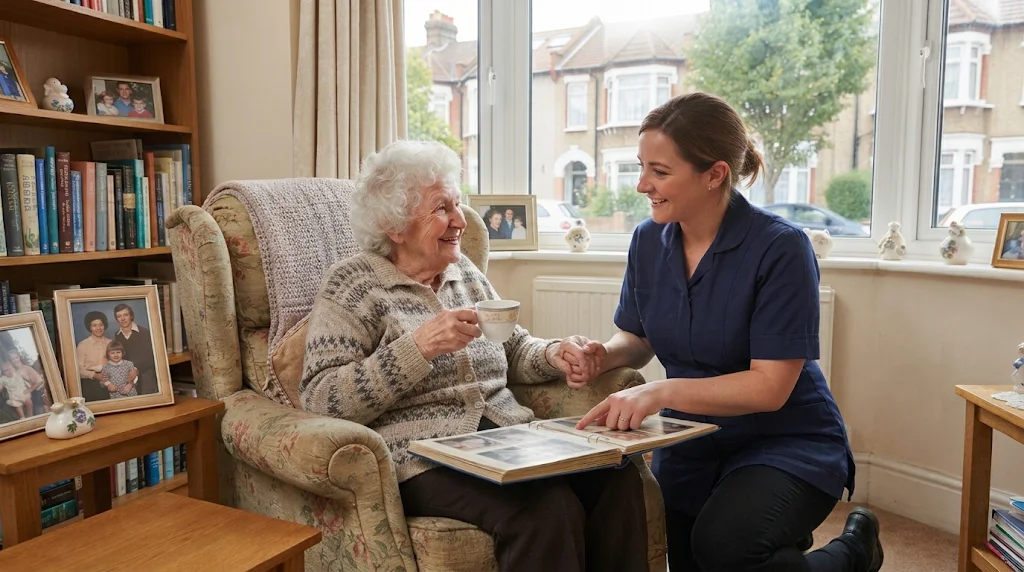

Dementia is a syndrome, or group of connected symptoms, linked to a continual decline in brain functioning. It affects thinking, memory, behaviour and capacity to carry out ordinary, daily tasks. Common aspects of the condition, which mainly presents in those aged 65 and over, include difficulty concentrating, issues with language, feeling disoriented and mood swings.
Alzheimer’s disease is the most common cause of dementia, typically accounting for between 60% and 80% of cases.
Sadly, this isn’t something that’s going away anytime soon. By 2040, projected numbers of those in the UK living with dementia are set to reach 1.4 million.
Coming to terms with a dementia diagnosis
So if you or a loved one have recently been diagnosed with this condition, we understand it’s a challenging time. A diagnosis sparks all kinds of emotions, from shock, disbelief and denial to fear and anxiety or grief and loss. Perhaps somewhat surprisingly, many also experience a relief that their symptoms finally have a name, allowing them to plot a way forward.
With a diagnosis, you can focus on the practical actions to take in the near and mid-term future. After all, you or your loved one could be living with dementia for a long time – with Alzheimer’s in particular, some can live for 15 or 20 years.
One certainty is that everyone with progressive dementia will eventually require significant or full-time support and care as it progresses. So it really isn’t too early to start thinking about eventual options.
Is dementia care at home the right choice?
Most of the time, this will essentially boil down to two choices – care at home or in a residential setting. And the decision will depend on how advanced the dementia is, safety requirements and the availability of family support.
At-home dementia care tends to work best where the person is in the early or moderate phases of the condition, when they will benefit most from being in familiar surroundings and having all their things around them, as well as the one-to-one attention.
Support can be tailored and flexible, ranging from carers visiting for just a few hours a week to full-time live-in care. This way, routine and independence are preserved, and the patient enjoys emotional comfort somewhere they know well, which often helps reduce agitation and confusion.
Types of support at-home dementia care provides
Care like this means someone who has dementia can live independently and safely in their own home with personalised care plans which change as their condition progresses. A number of different types of support are usually provided:
- Personal care: Help with daily activities from showering or bathing to dressing and going to the toilet.
- Managing meds: Carers at home ensure each medication is taken properly at the right time, either by reminding someone or administering meds.
- Nutrition and prepping meals: They also plan, shop for and cook healthy meals to ensure the patient has a healthy diet, while checking the person is eating enough and staying hydrated.
- Help in the house: This typically extends to light housework, laundry and bed changing, general home organisation and running errands.
- Safety and fall prevention: Carers assess the home for trip hazards, and can discuss mobility support while managing the physical risks linked with disorientation or confusion.
- Social support and companionship: This is one of the most important aspects of dementia care at home. It’s key to reducing isolation and includes conversation plus encouragement to keep up hobbies. Carers can accompany the patient on little outings to get the person out of the house.
- Respite care: One option is to have temporary support so family carers can have a break or deal with other aspects of their lives requiring attention.
- Overnight and live-in support: Options range from overnight support to 24-hour at-home care in shifts to full-time live-in help. Nighttime cover can help with nocturnal wandering and ‘sundowning’, during which agitation, anxiety and confusion increase from late afternoon onwards.
- Specialist techniques: Dementia carers have specialist training for the condition, including in things like routine-building and validation therapy. (The latter is an established communication method which focuses on empathy, active listening and asking open-ended questions while allowing the person to reminisce about past experiences.)
Dementia care at home in North London from Visiting Angels
At Visting Angels, we provide bespoke dementia support so that you or your loved one can stay at home and remain as independent as possible for as long as possible. We operate across north London, providing all the support listed above and more.
Our highly trained, fully qualified carers are at the heart of all we do, and are handpicked to be the perfect match for your needs, allowing you to forge a genuine relationship with them.
Enquire now about our dementia home care services and how we could help in your situation, and we’ll take it from there.