Home Care vs Residential Care: Which Is Right for Your Loved One?
When an older family member starts needing more support, families often face an incredibly difficult question: is it better for them to stay at home with care, or move into residential care? It’s a decision filled with emotion. There are practical considerations like cost, safety and continuity of care — but also deeply personal ones such as independence, dignity and the wish to remain in the place they call home. Most older people say they want to stay in familiar surroundings for as long as possible, close to neighbours, routines and treasured memories. But is home care always the right answer? And what should you consider when weighing the pros and cons of home care versus residential care? Let’s explore the key differences, what research shows, and how good continuity of care can transform the experience for your loved one.What Is Home Care?
Home care (also called domiciliary care) means a professional carer visits your loved one in the comfort of their own home. Support can be as light or as involved as needed — from companionship, help with meals and shopping, to daily visits for personal care, medication, and mobility support.
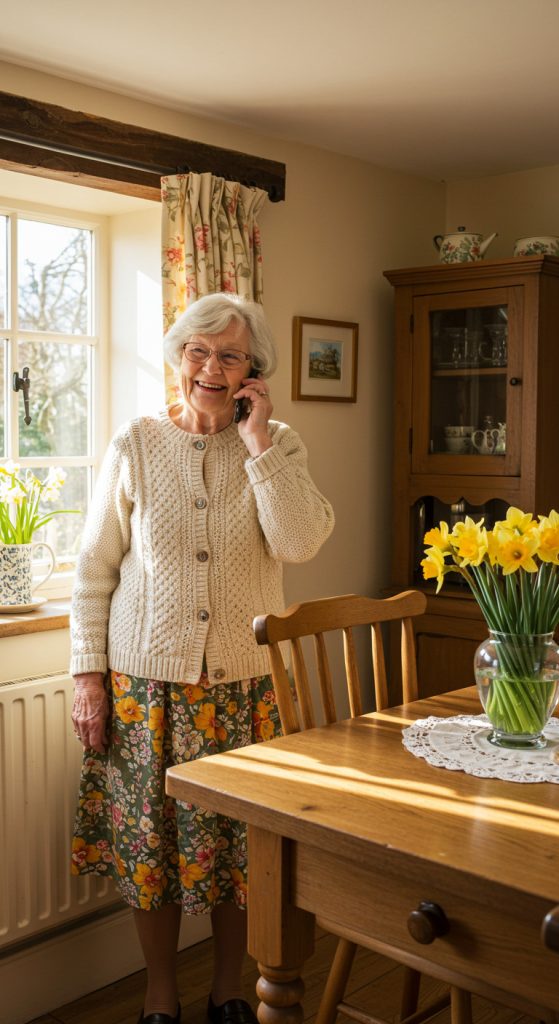
Many families choose home care because it allows their loved one to stay independent and remain surrounded by familiar routines, neighbours, and memories.
Some providers also offer live-in care, where a dedicated carer lives in the home and provides 24/7 support. For people who need more continuous help, this one-to-one style of care can offer exceptional continuity, safety, and emotional reassurance.
Benefits of Home Care
- Remaining in familiar surroundings, close to treasured possessions, routines and memories
- Flexible support — from occasional check-ins to regular scheduled visits
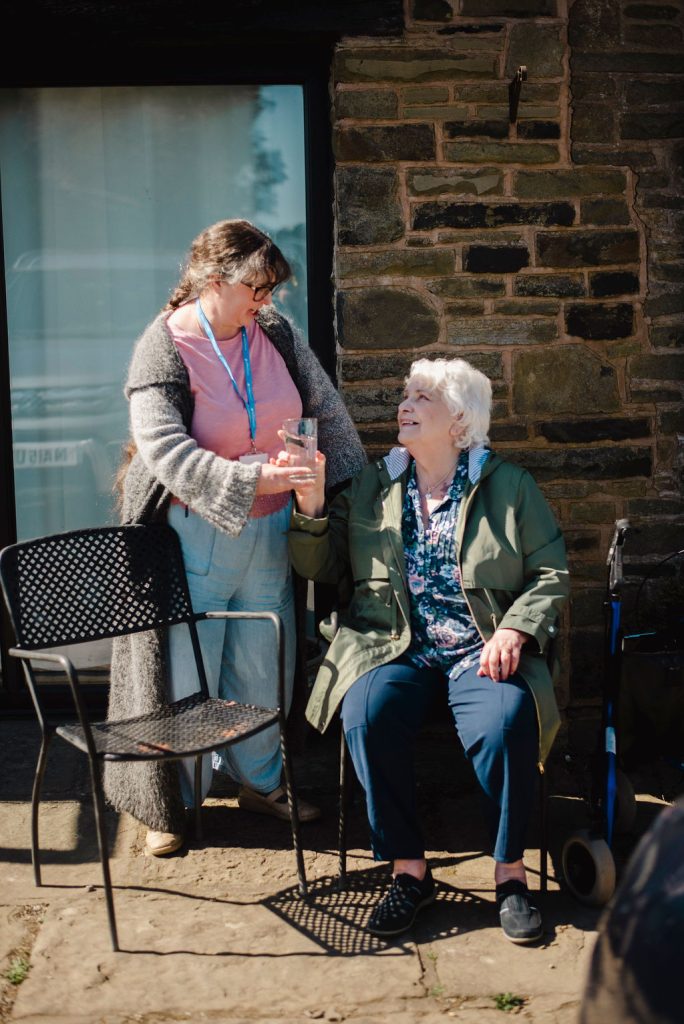
- Consistent, one-to-one attention from carers who truly get to know your loved one
- Maintaining independence and control over daily life for as long as possible

What Is Residential Care?
Residential care means moving into a care home where staff are available day and night.
This can be reassuring for families who want constant supervision and a built-in community environment.
Benefits of Residential Care
- 24/7 access to trained care staff
- Structured routines including meals, activities, and housekeeping
- Regular opportunities for social interaction with other residents
Challenges of Residential Care
- Reduced independence and personal privacy
- Adjustment to unfamiliar surroundings and routines
- Higher overall costs, as accommodation and care are bundled together
What the Research Says
Research comparing home care and residential care highlights several important differences:
- Safety: Older people receiving live-in home care are almost one-third less likely to experience a fall and around half as likely to sustain a hip fracture compared with those living in residential care.
- Mortality and hospitalisation: A 2023 review published in PLOS ONE found that people in residential care often experience higher rates of hospital admission and mortality than those supported to remain at home.
- Wellbeing: Studies suggest home care can reduce avoidable hospital admissions, slow functional decline in people living with dementia, and improve overall quality of life.
- Cost-effectiveness: International evidence consistently shows that home care is generally more affordable than residential care, particularly when support is tailored to the individual’s needs and hours of care.

While some research suggests that residents in care homes may report slightly higher happiness due to increased social interaction,
most older adults — and their families — consistently express a strong preference to remain at home for as long as possible.
When Home Care Falls Short
When delivered well, domiciliary care offers safety, independence, and dignity in the place people value most: their own home.
However, not all home care services are delivered to the same standard.
Poor experiences are most commonly reported when providers rely heavily on
agency or temporary care staff.
Challenges Associated with Agency Staff in Home Care
- Lack of continuity: Frequently changing carers can prevent older people from building familiarity, trust, and a sense of security.
- Task-focused visits: Agency carers may be under time pressure, leading to rushed visits that feel impersonal rather than supportive.
- Communication gaps: When carers change regularly, important details about routines, preferences, and wellbeing can be overlooked.
- Lower staff morale: Agency staff often receive less support and consistency, which can negatively affect engagement and quality of care.
Why Visiting Angels Is Different

This is why Visiting Angels does not use agency staff. We employ our own carers exclusively — carefully selecting, training, and supporting each individual. By investing in our carers, we provide families with consistency, stability, and peace of mind.
Clients are supported by familiar, recognisable faces they know and trust. Our carers are welcomed into the home as individuals, not strangers — building genuine relationships rather than simply completing tasks.
This continuity does more than improve comfort; it leads to better outcomes. Families consistently tell us that their loved ones feel more relaxed, look forward to visits, and develop meaningful connections with their carers while remaining in the familiarity of home.
Emotional Considerations
Care is about more than safety or completing tasks — it’s about how a person feels.
While residential care can offer structured support and social opportunities, it may also involve a loss of independence and familiarity.
Home care allows people to remain close to their memories, neighbours, pets, and local community.
When support is provided by familiar carers who build genuine relationships, the emotional impact can be significant.
Families often tell us that care with Visiting Angels feels less like a service and more like a trusted relationship.
Costs and Practicalities
Residential care typically involves a fixed weekly or monthly fee that combines accommodation and care costs.
For many families, this can represent a substantial financial commitment.
Home care is often more flexible and cost-effective, as families pay only for the hours of support they need.
In some cases, financial assistance may also be available, including Attendance Allowance or support from the local council.

A Balanced View
Residential care may be the most appropriate option for individuals with very complex needs who require constant supervision and specialist support.
However, for many older adults, home care offers the right balance of independence, safety, and dignity.
Why Families Choose Visiting Angels
At Visiting Angels, we believe exceptional care begins with the people delivering it.
By valuing, supporting, and investing in our carers, we provide families with continuity, stability, and genuine relationships built on trust.
- No agency or temporary staff
- Consistent, recognisable carers who are known and trusted
- Personal, flexible care delivered with dignity and respect
Final Thoughts
Choosing between home care and residential care is never an easy decision. Every family’s situation is different, and the right choice depends on individual needs, preferences, and circumstances.
If you would like to talk through the options for your family, our local team is here to listen and offer guidance. Contact Visiting Angels for a friendly, no-obligation conversation about how we can support you and your loved one.