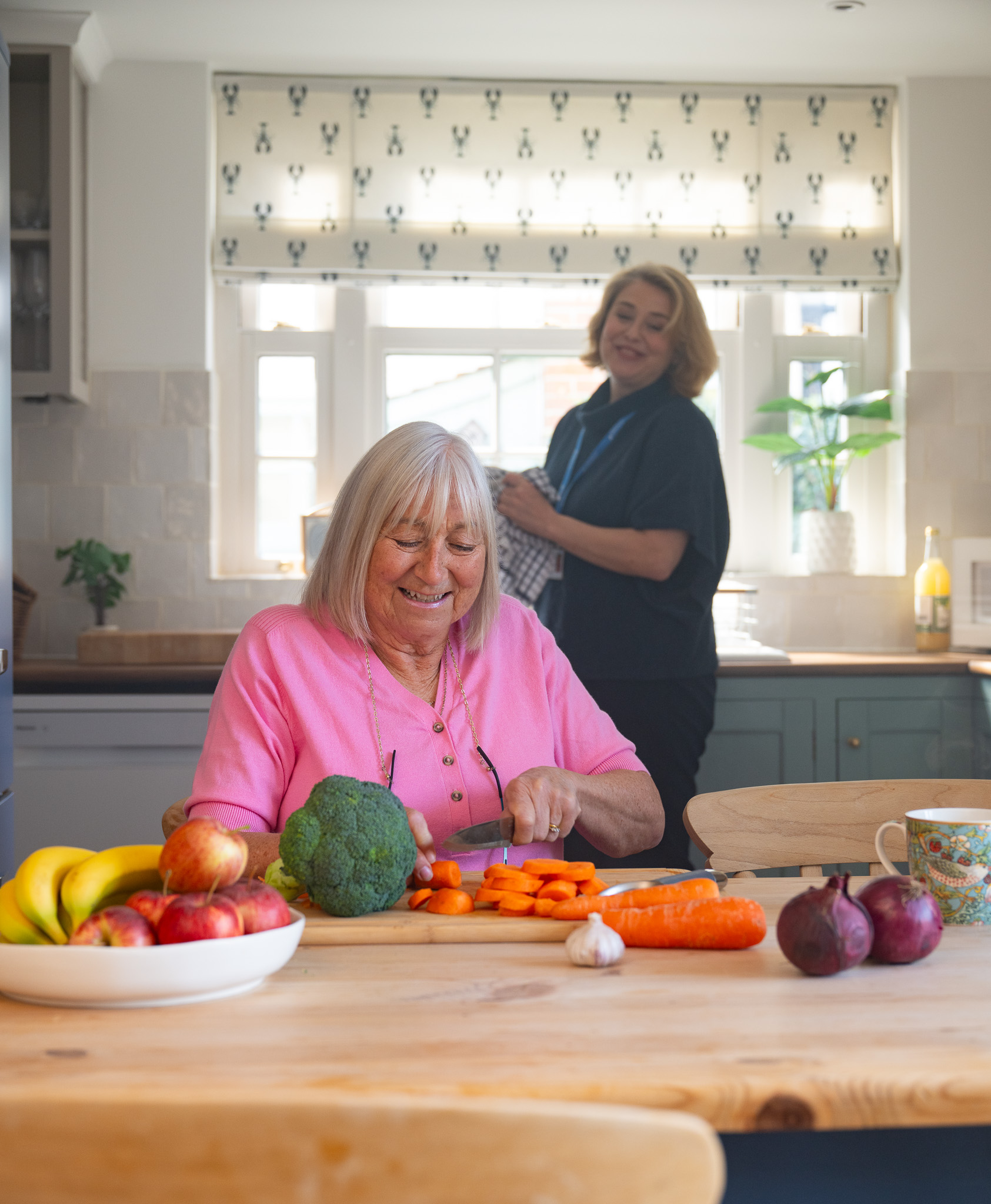

When it comes to elderly care, one of the most important aspects of a senior’s wellbeing is proper nutrition. While taking care, meals play a vital role in maintaining health, energy levels, and overall quality of life. The right diet can help prevent a range of health issues. However, it can also improve mood and cognitive function. Experts can explain the importance of well-balanced meals in care homes in Hertfordshire for senior health and the benefits of good nutrition for older adults.
The importance of nutrition in senior health
Balanced diets
The diet for residents includes a variety of food groups, each contributing to different health benefits. Here’s what should typically be on the menu:
Protein is vital for muscle strength and immune function. Therefore, it should be included in every meal. Foods like lean meats, fish, eggs, and plant-based proteins like beans and lentils are excellent choices.
Packed with essential vitamins and antioxidants, fruits and vegetables help support overall health and prevent chronic diseases. For this reason, it is better to aim for a colourful mix to cover a wide range of nutrients.
Brown rice, whole wheat bread, and oats are great sources of fibre, which aids digestion and helps maintain healthy blood sugar levels.
On the other hand, healthy fats such as olive oil, nuts, and avocados provide essential fatty acids that support brain health and hormone balance.
Dehydration can be a serious issue for seniors. Therefore, experts ensure that residents have easy access to water and hydrating drinks throughout the day.
Special diets and tailored nutrition
Some residents may have specific dietary needs due to health conditions such as diabetes, hypertension, or dementia. In these cases, qualified professionals can offer tailored meal plans that focus on managing these conditions through nutrition. For example:
Diabetic-friendly meals might focus on controlling blood sugar levels. They need to carefully balance carbohydrates and low-sugar options. Soft or pureed foods may be necessary for residents with difficulty chewing or swallowing. Most of the dementia-friendly menus are designed to promote cognitive function. However, it allows for easy-to-eat foods that stimulate appetite.
Tailoring meals to meet individual needs ensures that all residents receive the best possible care and nourishment.
Social and emotional health
Mealtimes are not just about food. However, they’re also an important part of the daily routine that encourages social interaction. Sharing meals with others can foster a sense of belonging. It may help combat loneliness, which is common among the elderly. Creating a pleasant dining experience can enhance a senior’s emotional wellbeing and encourage them to eat more. It may be essential for maintaining good health.
Nutrition is a cornerstone of health in care homes in Hertfordshire, where residents’ dietary needs are carefully considered to improve their physical and mental wellbeing. By providing balanced, nutritious meals, experts can make a real difference in seniors’ lives, helping them stay healthy, active, and engaged. It’s not just about eating well, it’s about living well. Contact the experts at Visiting Angels North Hertfordshire to find out more about our services.