
If you’ve started researching support for a parent or loved one, you’ve probably come across the term “domiciliary care” and wondered how it differs from home care, or what it actually involves day to day. Here’s a clear explanation.
Domiciliary care, in plain English
Domiciliary care simply means care delivered in someone’s own home, rather than in a care home or hospital. It’s the more formal, official term you’ll often see used by the NHS, local authorities and care regulators — but it means exactly the same thing as “home care”.
Rather than moving into a new setting, the person stays in their own home, and a carer comes to them — whether that’s for a single visit a week or several times a day.
What does domiciliary care actually include?
Domiciliary care can be tailored to almost any level of need. Common areas of support include:
- Personal care — washing, dressing, and support with mobility
- Medication support — reminders to help ensure medication is taken correctly and on time
- Meal preparation — cooking familiar meals with attention to dietary needs
- Household support — light housekeeping, laundry, and keeping the home safe and comfortable
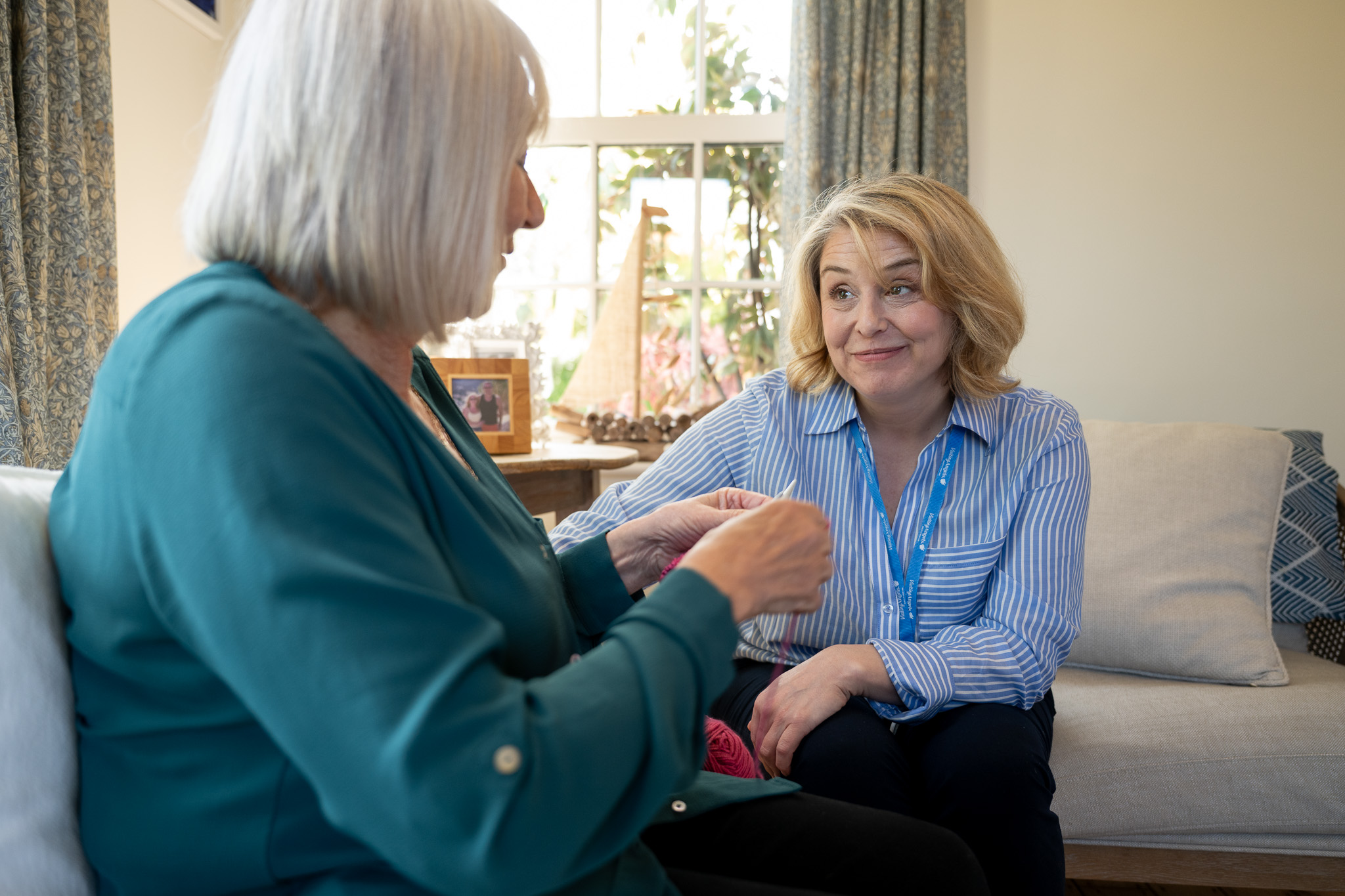
- Companionship — conversation, shared activities, and trips out
- Specialist care — support for dementia, Parkinson’s, post-hospital recovery, or end-of-life needs
How much domiciliary care is needed?
This is entirely flexible. Some families need just one or two visits a week for companionship and light support; others need multiple visits a day, or full live-in care. A good provider will build a care plan around the actual needs of the person, and adjust it over time as those needs change — rather than fitting the person into a fixed package.
Worth knowing: Domiciliary care isn’t just for older adults recovering from a specific event. Many families arrange it gradually — starting with light support like shopping and companionship, and increasing it naturally as needs grow.
Why families in North Herts choose domiciliary care
For many people, staying in a familiar home — with their own belongings, routines, and neighbours nearby — makes a real difference to their wellbeing, particularly for those living with dementia, where a new environment can add confusion and anxiety.
Domiciliary care also means:
- A consistent, chosen carer rather than a rotating team
- A routine built around the person, not a shared schedule
- The ability for couples to stay living together
- Costs that scale with actual hours of support needed, rather than a fixed weekly fee
Getting started with domiciliary care
The process usually begins with a free, no-obligation home visit, where a care specialist gets to know the person’s needs, routines and preferences. From there, a personalised care plan is created, and the family is introduced to potential carers to find the right match before care begins.
Common questions
What is domiciliary care?
Domiciliary care is professional care and support delivered in a person’s own home, rather than in a care home or hospital. It’s sometimes called home care or “dom care” and can include personal care, medication support, meal preparation and companionship.
Is domiciliary care the same as home care?
Yes. Domiciliary care and home care refer to the same thing: care delivered in someone’s own home rather than a residential setting. You’ll see both terms used, particularly in official and NHS-related documentation.
Who is domiciliary care for?
Domiciliary care supports older adults, people recovering from illness or surgery, those living with dementia or other long-term conditions, and anyone who needs help with daily living but wants to remain in their own home.
How do I arrange domiciliary care in North Herts?
The process usually starts with a free home care assessment, where a care specialist discusses needs and preferences with the family, followed by a personalised care plan and carer introductions before support begins.
Considering domiciliary care for a loved one?
Speak to a local care specialist in North Hertfordshire for a free, no-obligation assessment. We’ll help you understand exactly what support would look like.