
How a Home Care Caregiver Helped Save a Client’s Life Through Quick Thinking
At Visiting Angels Lincolnshire, we often say that great care is about much more than completing tasks. It’s about building relationships, understanding our clients, and recognising when something isn’t right.
Recently, one of our caregivers demonstrated exactly why attentive, person-centred care can make all the difference.
A Routine Visit That Became an Emergency
What started as a routine care visit quickly turned into a life-threatening situation.
When our caregiver arrived at the client’s home, she was unable to gain access to the property. Rather than assuming the client was unavailable, she trusted her instincts and immediately contacted the office manager to raise her concerns.
Working together, they quickly arranged access to the property so that the client’s welfare could be checked.
Once inside, our caregiver found the client seriously unwell. The client had suffered a severe drop in blood sugar levels and was unable to communicate effectively.
Recognising the urgency of the situation, our caregiver remained calm and immediately called for paramedics.
Staying Calm When Every Minute Matters
In emergency situations, remaining calm can be just as important as acting quickly.
While waiting for the ambulance to arrive, our caregiver stayed by the client’s side, providing reassurance, monitoring their condition, and ensuring they were not left alone during a frightening and vulnerable moment.
Thanks to her vigilance, quick thinking, and swift action, the client received urgent medical treatment when it was needed most.
Why Quality Home Care Matters
Stories like this highlight the value of professional home care services.
A dedicated caregiver does much more than assist with daily tasks. They become a trusted companion who notices changes in wellbeing, recognises warning signs, and acts when something appears out of the ordinary.
For older people and vulnerable adults, these observations can sometimes prevent a minor concern from becoming a major emergency.
The continuity of care we provide means our caregivers get to know their clients well. That familiarity helps them identify changes in behaviour, health, or routine that others may miss.
Celebrating Our Angel of the Month
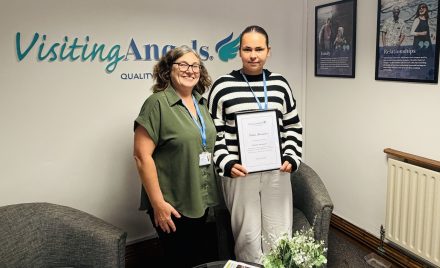
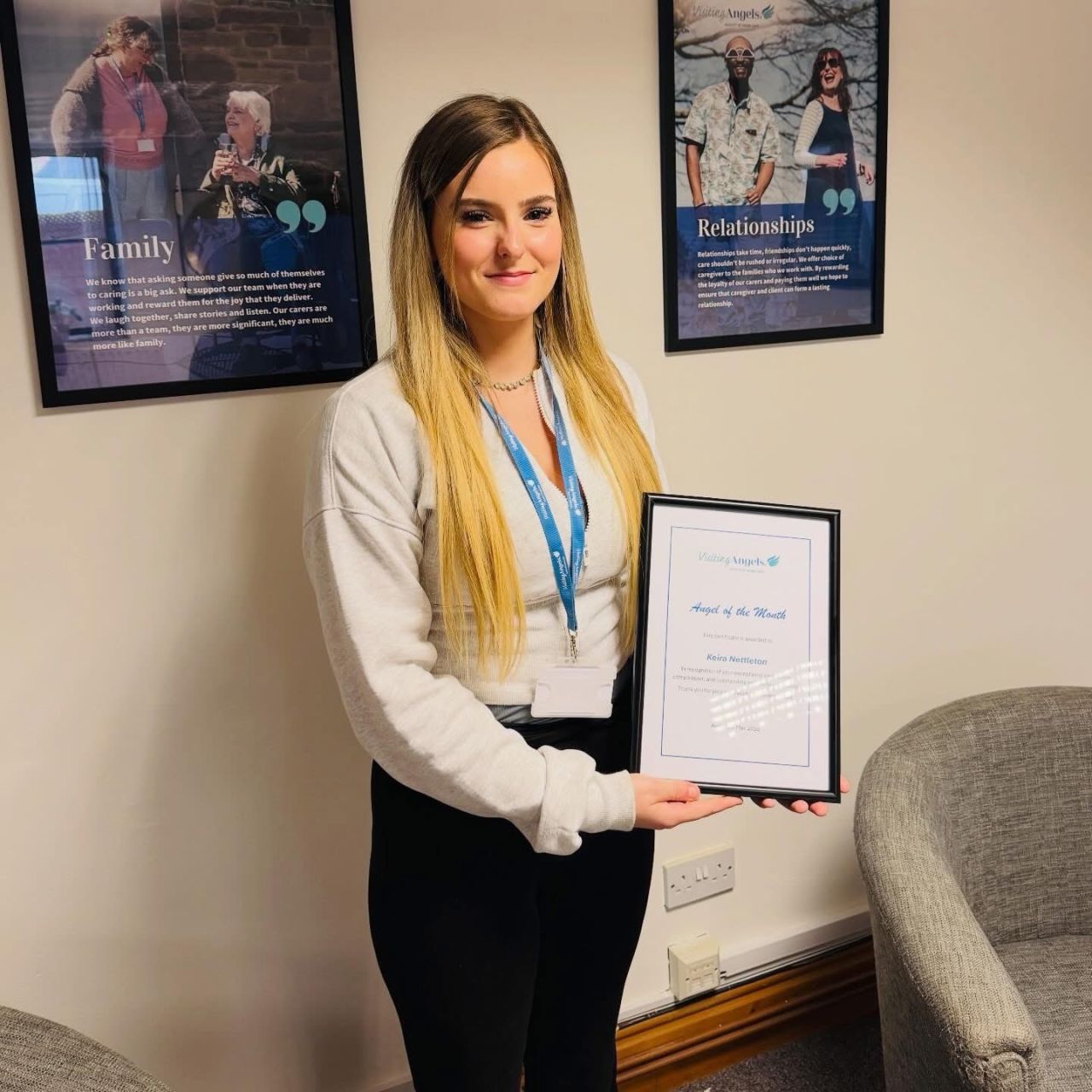
We are incredibly proud to recognise this caregiver as our Angel of the Month.
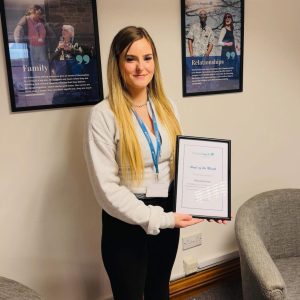
Her professionalism, compassion, and commitment to client safety reflect the values that underpin everything we do at Visiting Angels Lincolnshire.
While she may see her actions as simply doing her job, we know that her attentiveness and dedication helped ensure a client received life-saving medical care when every minute counted.
Looking for Home Care You Can Trust?
At Visiting Angels Lincolnshire, our caregivers are carefully matched with clients to build meaningful relationships and provide consistent, compassionate support.
Whether you need companionship, personal care, dementia support, or more complex care services, our team is committed to helping people remain safe, independent, and comfortable in their own homes.
If you would like to learn more about our home care services across Lincolnshire and South Nottinghamshire, we’d be happy to help.
Call us today to discuss how we can support you or your loved one.