
Older adults face higher risks in winter, so the most important steps are
keeping homes warm, preventing falls, and ensuring regular check‑ins and
support throughout the colder months.
Winter can be challenging for older adults,
especially in the UK where cold snaps, damp weather, and shorter days can
increase health and safety risks.
 Why Winter Poses Extra Risks
Cold weather affects older adults more because:
- Body temperature regulation weakens with age, making hypothermia more
likely. - Slippery pavements and reduced daylight increase fall risks.
- Respiratory infections such as flu and pneumonia are more common in winter.
- Isolation can worsen when travel becomes difficult.
 Keep the Home Warm and Safe
A warm home is essential for preventing cold-related illness.
- Aim for at least 18°C indoors, especially in living rooms and bedrooms.
- Use draught excluders around doors and windows to reduce heat loss.
- Check boilers and heating systems before winter begins to avoid breakdowns.
- Ensure good lighting, particularly on stairs and hallways, to reduce fall risks.
- Keep essential items within easy reach to avoid unnecessary climbing or
stretching.
Older residents in Essex can get warm‑home grants, energy‑efficiency
checks, and boiler/heating support through Age UK’s Warm Homes programme, HEAT
Essex grants, and local services in Basildon, Billericay, Brentwood, Hornchurch
and Upminster.
 Dress for the Weather
Encourage older adults to:
- Wear several thin layers rather than one thick one.
- Use thermal socks, gloves, and hats when going outside.
- Keep a blanket or shawl nearby when sitting for long periods.
- Change out of damp clothes immediately after coming indoors.
 Prevent Slips and Falls
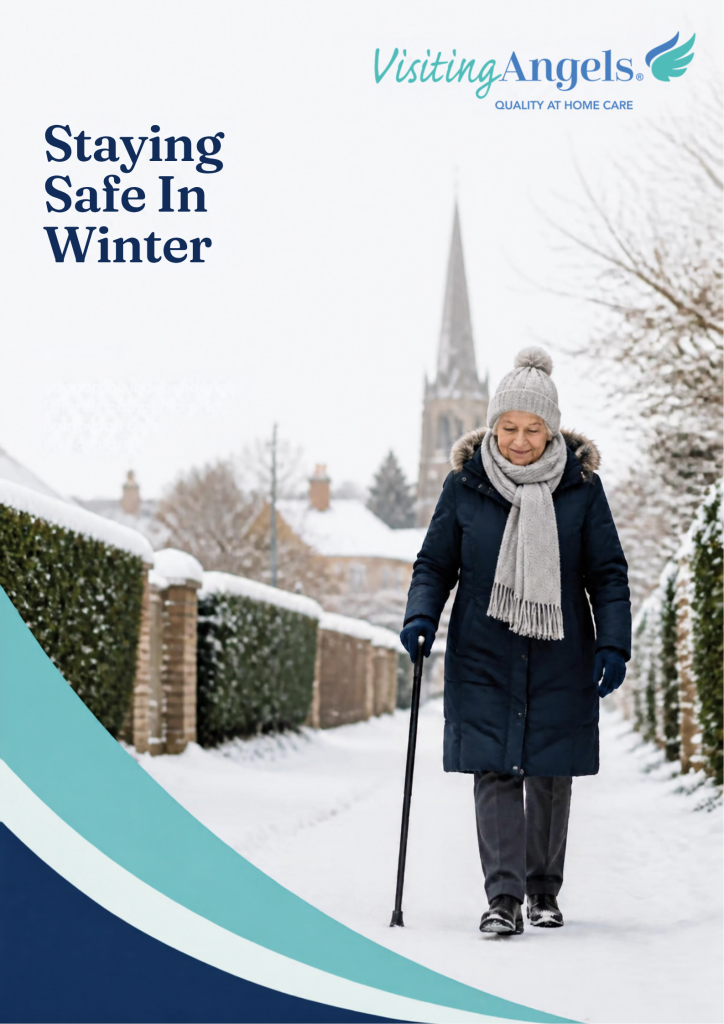
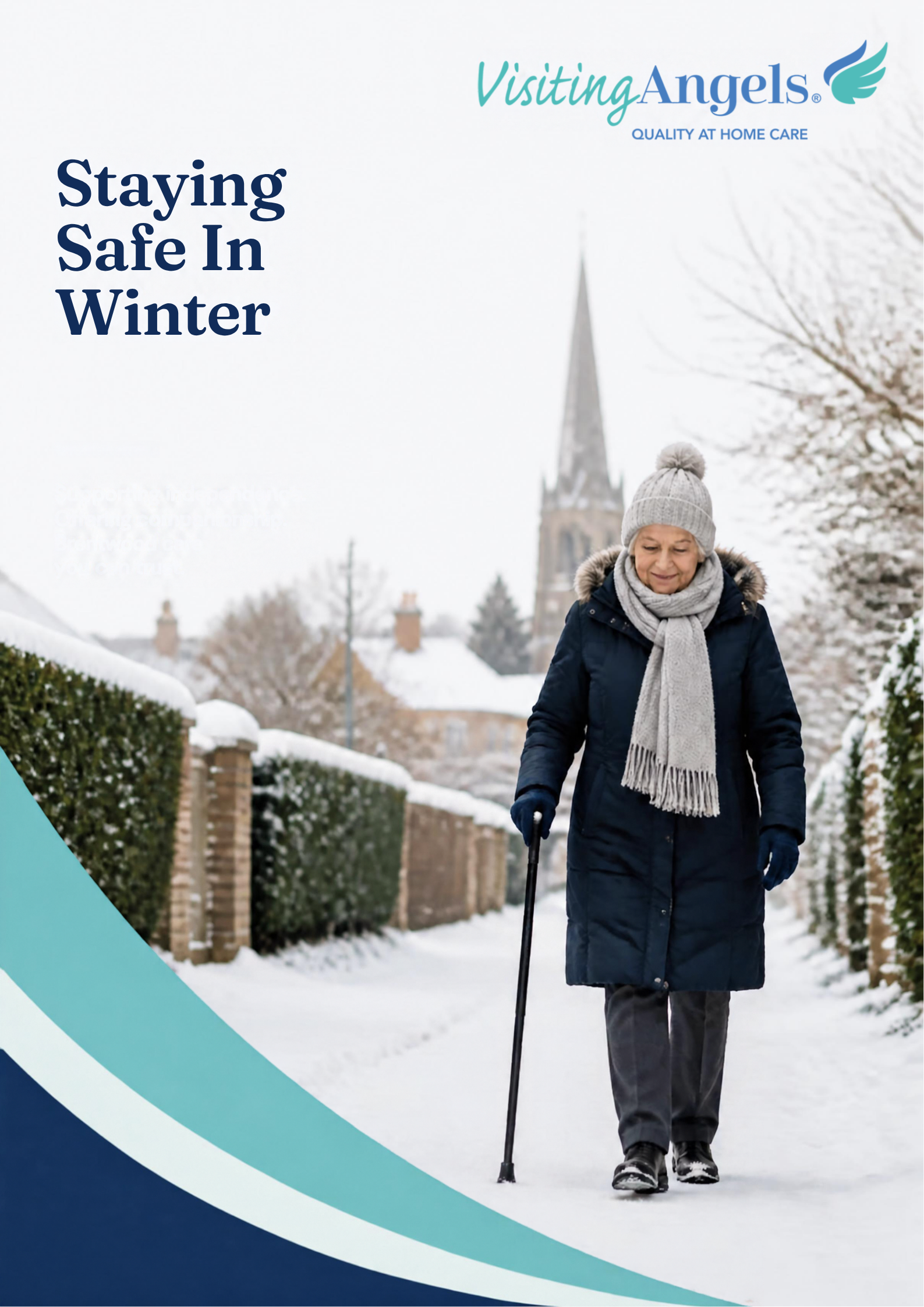
Falls are one of the biggest winter dangers.
- Non-slip shoes with good grip are essential.
- Clear paths of leaves, ice, or snow where possible.
- Use walking aids if balance is an issue.
- Install handrails at entrances and on stairs.
- Keep floors clutter-free and ensure rugs have non-slip backing.
 Support Good Nutrition and Hydration
Cold weather can reduce appetite, but proper nutrition helps
maintain strength.
- Encourage warm, balanced meals such as soups, stews, and porridge.
- Keep easy-to-prepare foods stocked for days when cooking is difficult.
- Ensure regular hydration, even when not feeling thirsty.
- Consider vitamin D supplements, as recommended by UK health guidance, due to
reduced sunlight in winter.
 Manage Health and Medication
- Ensure repeat prescriptions are ordered early to avoid running out during
bad weather. - Encourage flu and COVID vaccinations, which are widely recommended for older
adults. - Keep a list of medications and emergency contacts in an easy-to-find
place.
 Reduce Isolation and Encourage Check-ins
Social contact is vital for wellbeing and safety.
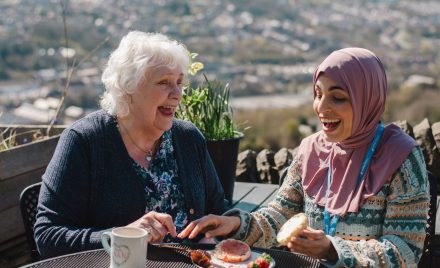
- Arrange regular phone calls or visits from family, neighbours, or carers.
- Encourage participation in local community groups, many of which offer winter
support. - Make sure older adults know how to call for help if needed.
 Prepare for Emergencies
- Keep a charged mobile phone nearby at all times.
- Store torches, batteries, and blankets in case of power cuts.
- Have a small emergency kit with water, snacks, and essential medicines.
 Final Thoughts
Keeping elderly people safe in winter is about preparation,
warmth, connection, and awareness. With the right support, older adults can
stay healthy, comfortable, and confident throughout the colder months.
For any support or advice our care at home team would be
happy to support – feel free to contact us 01268 225 055. We support families
in Basildon, Billericay, Brentwood, Hornchurch, Upminster and the surrounding
areas.