
As the bright days of summer gradually give way to cooler mornings and colourful autumn leaves, our bodies naturally begin adjusting to the changing season. While autumn brings beautiful scenery and cosy evenings, it also introduces new health challenges for older adults. Lower temperatures, shorter daylight hours, and a higher risk of seasonal illnesses can affect physical and emotional wellbeing.
Following the right seasonal change tips for older adults can help seniors remain healthy, independent, and confident throughout autumn. Small adjustments to daily routines often make a significant difference, from staying hydrated to preventing slips and maintaining social connections.
At Visiting Angels Dartford, Gravesend & Bexley, we believe every older adult deserves to enjoy the changing seasons safely in the comfort of their own home. Here are our expert recommendations for staying well this autumn.
Why seasonal changes affect older adults more
As we age, the body becomes less efficient at regulating temperature, maintaining hydration, and fighting infections. Many older adults also live with long-term conditions such as arthritis, diabetes, or heart disease, which may become more noticeable during colder weather.
Autumn can also lead to:
- Reduced mobility due to wet pavements and slippery leaves
- Increased risk of colds and respiratory infections
- Lower vitamin D levels from reduced sunlight
- Feelings of loneliness caused by spending more time indoors
- Dehydration because people often feel less thirsty
These are exactly why seasonal change tips for older adults should become part of every senior’s autumn routine.
-
Dress in comfortable layers
One of the simplest ways to stay healthy during autumn is dressing in layers. Rather than wearing one heavy jumper, multiple lightweight layers help regulate body temperature more effectively.
Older adults may not notice when their body temperature drops, making them more vulnerable to feeling cold. Choose breathable fabrics underneath and warmer outer layers that can easily be removed indoors.
Don’t forget:
- Warm socks with non-slip soles
- A lightweight waterproof coat
- Gloves and a scarf for chilly mornings
- Comfortable footwear with good grip
Keeping warm isn’t just about comfort—it helps reduce strain on the body and supports overall wellbeing.
-
Stay hydrated even when it’s cooler
Many people associate dehydration with hot weather, but it remains one of the biggest concerns during autumn. Cooler temperatures reduce thirst, meaning older adults often drink less without realising it.
According to NHS guidance, regular fluid intake supports energy levels, circulation, and reduces dizziness that can contribute to falls.
NHS inform
Easy hydration ideas include:
- Keep a water bottle nearby throughout the day.
- Enjoy warm herbal teas.
- Drink broth-based soups.
- Eat water-rich fruits like pears and oranges.
These simple habits are among the most important seasonal change tips for older adults because proper hydration supports both physical and cognitive health.
-
Eat Seasonal Foods That Nourish the Body
Autumn is the perfect time to enjoy fresh, nutrient-rich foods that help strengthen the immune system, support bone health, and maintain energy levels. Rather than relying on processed comfort foods, choose seasonal ingredients that provide essential vitamins, minerals, and fibre.
Here are some excellent autumn foods for older adults:
- Butternut Squash: Rich in Vitamin A, it helps support a healthy immune system and promotes good vision.
- Salmon: An excellent source of Vitamin D and healthy fats, supporting strong bones, muscles, and heart health.
- Leafy Greens: Packed with Calcium, Iron, and essential vitamins, they help maintain strength and overall wellbeing.
- Apples & Pears: High in Fibre, they support healthy digestion and make a nutritious seasonal snack.
A balanced diet combined with good hydration provides a strong foundation for healthy ageing and helps older adults feel their best throughout the changing season.
-
Keep moving every day
When the weather becomes colder, it’s tempting to spend more time sitting indoors. However, regular movement is essential for maintaining strength, balance, and flexibility.
The good news is that exercise doesn’t need to be intense.
Gentle activities include:
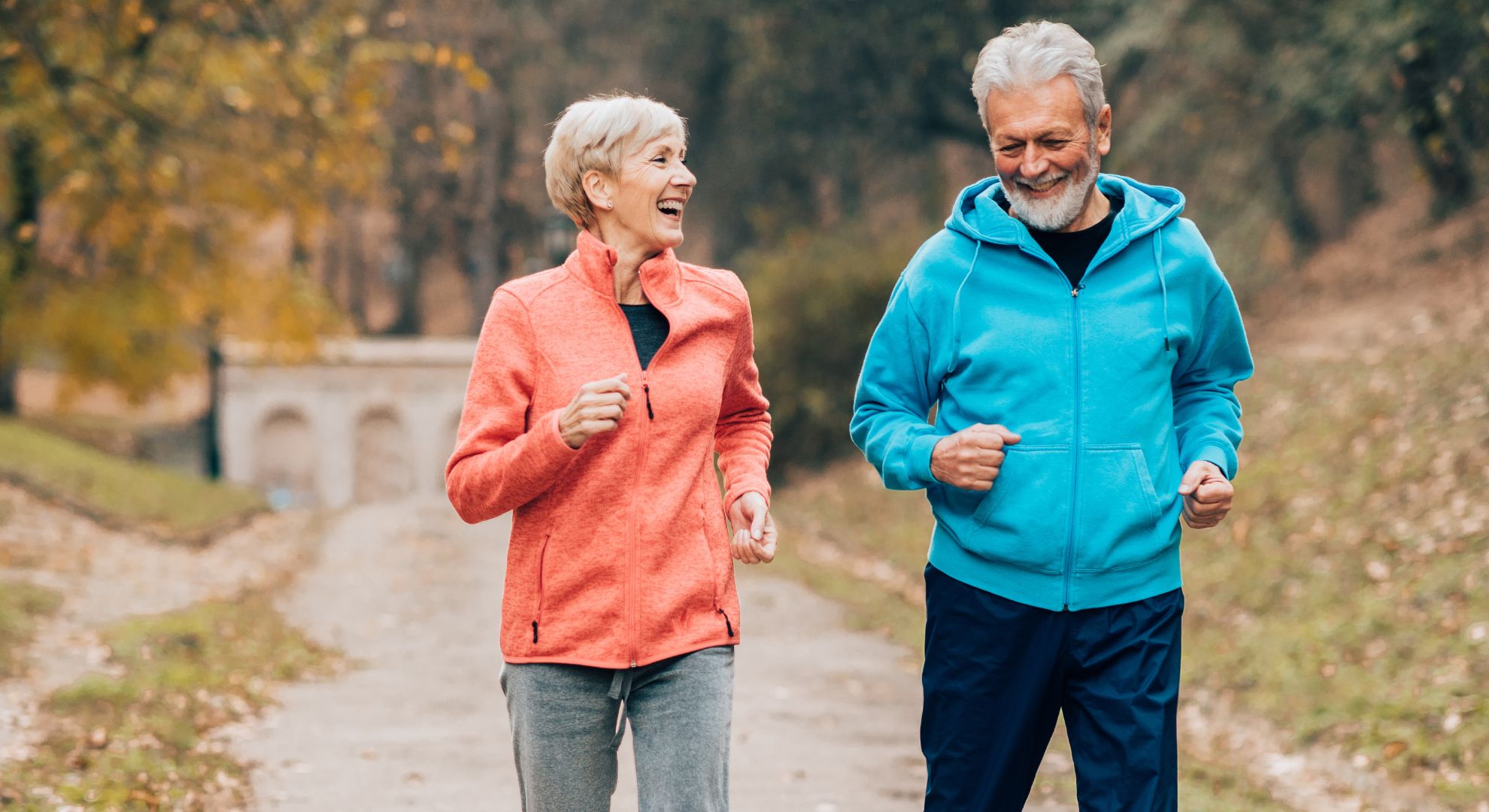
- Walking during daylight hours
- Chair exercises
- Light stretching
- Tai chi
- Climbing stairs safely at home
Research consistently shows that staying active helps reduce the risk of falls and supports independence in later life.
These seasonal change tips for older adults encourage movement without placing unnecessary strain on the joints.
-
Reduce the risk of slips and falls
Autumn leaves may look beautiful, but when wet they become extremely slippery. Falls remain one of the leading causes of injury among older adults, making home and outdoor safety especially important during seasonal transitions.
Outdoor safety
- Wear shoes with good grip.
- Avoid walking on wet leaves where possible.
- Use handrails on steps.
- Take shorter, slower walks after rain.
Indoor safety
- Remove loose rugs.
- Keep hallways well lit.
- Clear trailing cables.
- Install grab rails if needed.
- Use motion-sensor night lights.
If a senior has already experienced a fall or feels less steady than before, speaking with a healthcare professional is strongly recommended. Prevention is always better than recovery.
-
Look after your immune system
Autumn marks the beginning of cold and flu season. Older adults naturally have a higher risk of developing complications from respiratory illnesses, making prevention particularly important.
Healthy habits include:
- Washing hands regularly
- Getting enough sleep
- Eating nutritious meals
- Staying hydrated
- Keeping up with recommended vaccinations after discussing them with a GP
A strong immune system starts with consistent daily habits rather than quick fixes.
-
Protect your mental wellbeing
Seasonal health isn’t only physical. Shorter days and reduced sunlight can affect mood, motivation, and energy levels. Many older adults also experience increased isolation as outdoor activities become less frequent.
Ways to improve emotional wellbeing include:
- Opening curtains early for natural daylight
- Keeping a regular daily routine
- Speaking with friends or family every day
- Joining local community activities
- Enjoying hobbies such as knitting, puzzles, or reading
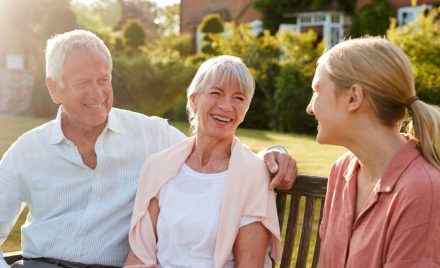
Companionship plays a powerful role in healthy ageing. Even sharing a cup of tea and conversation can brighten someone’s entire day.
At Visiting Angels Dartford, Gravesend & Bexley, our carers provide meaningful companionship alongside practical support, helping clients remain socially connected within their own homes.
-
Check your home before winter arrives
Autumn is the perfect time to prepare your home before temperatures fall further. A few preventative checks can make the home safer and more comfortable.
Create a simple autumn checklist:
| Task | Why it matters |
| Test smoke alarms | Improves home safety |
| Check heating system | Keeps the home comfortably warm |
| Replace light bulbs | Better visibility reduces trips |
| Organise medications | Prevents missed doses |
| Stock essential groceries | Reduces unnecessary travel in bad weather |
These practical seasonal change tips for older adults help seniors remain independent while giving families greater peace of mind.
How home care can support seasonal wellbeing
Many families notice that autumn is when their loved one begins needing a little extra support. That doesn’t always mean full-time care. Sometimes, a few visits each week provide exactly the reassurance needed.
Our services can help with:
- Meal preparation using nutritious seasonal foods
- Medication reminders
- Personal care and dressing assistance
- Companionship and emotional support
- Shopping and errands
- Safe walks and mobility support
Whether someone lives in Dartford, Bexley, Sidcup, Swanley, Gravesend, Erith, Welling, Longfield, Greenhithe, Meopham, Northfleet, Chislehurst, Orpington, or surrounding communities, our compassionate caregivers are dedicated to delivering care from the heart through their hands.
Learn more about our Companionship Care and Personal Care services to discover how we help older adults continue living independently at home.
Final thoughts
Autumn is a season of change, but it can also be a season of comfort, connection, and wellbeing. By following these seasonal change tips for older adults, seniors can enjoy the cooler months while protecting their health, maintaining their independence, and continuing the activities they love.
If your loved one could benefit from compassionate home care this autumn, Visiting Angels Dartford, Gravesend & Bexley is here to help. Our personalized care services are designed around each individual’s needs, allowing older adults to remain safe, happy, and comfortable in the place they love most, their own home.
For more advice on elderly wellbeing and home care support, visit our Home Care Services page or speak with our friendly team today.